
Last updated October 30, 2026
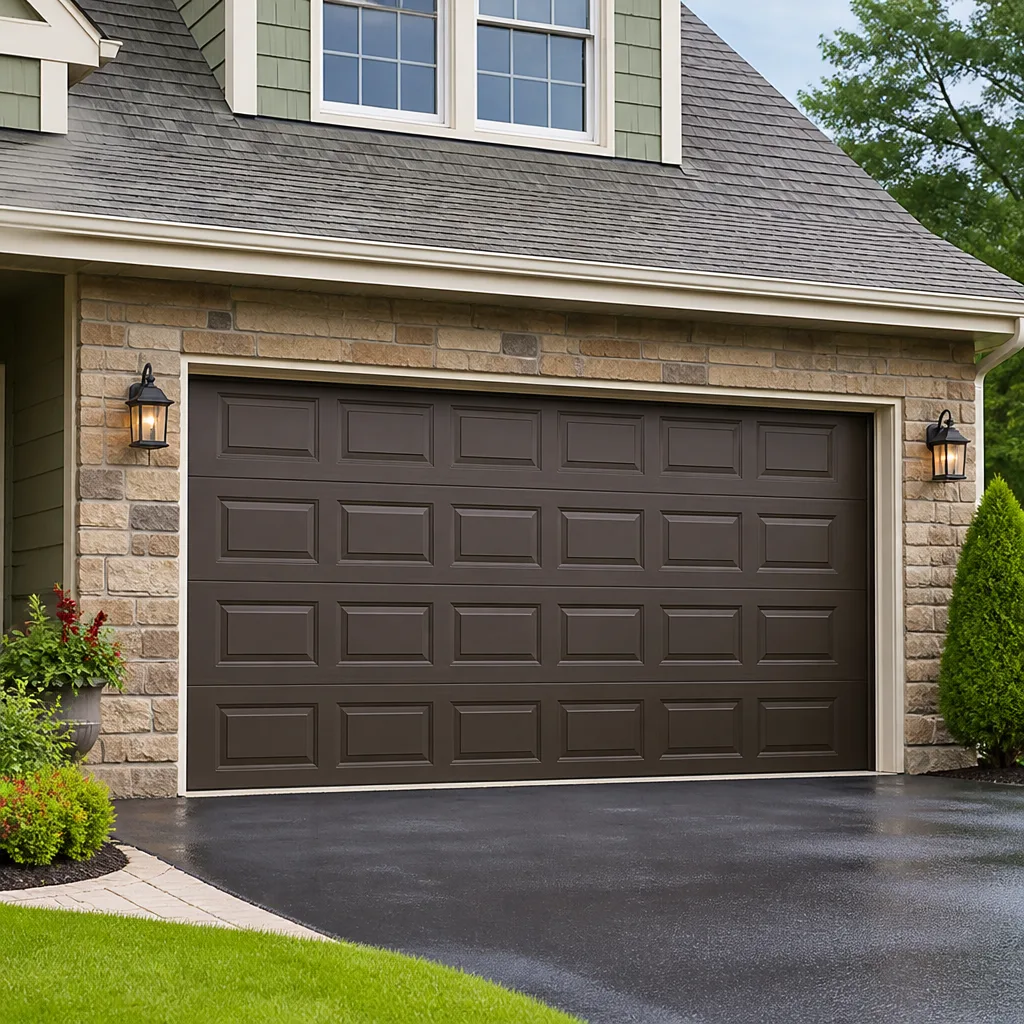 Raised-panel steel
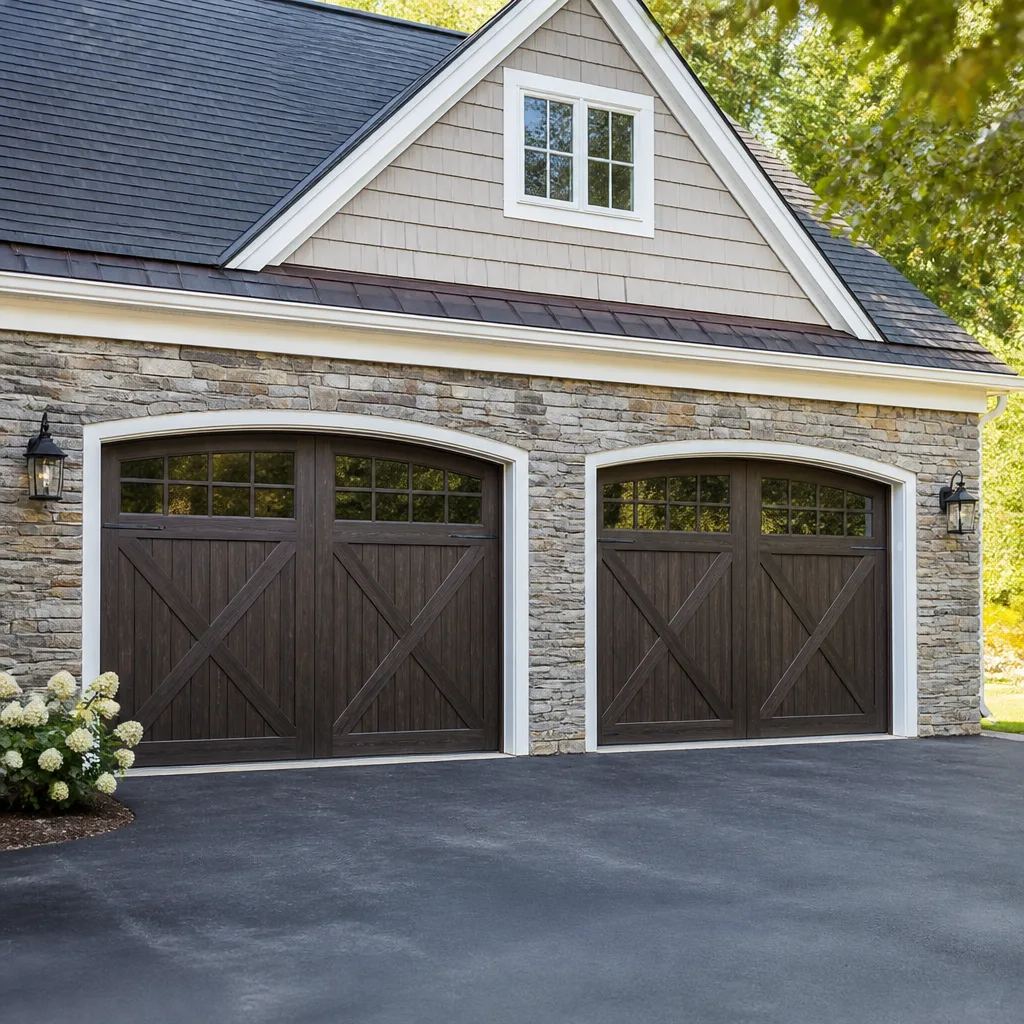 Carriage house
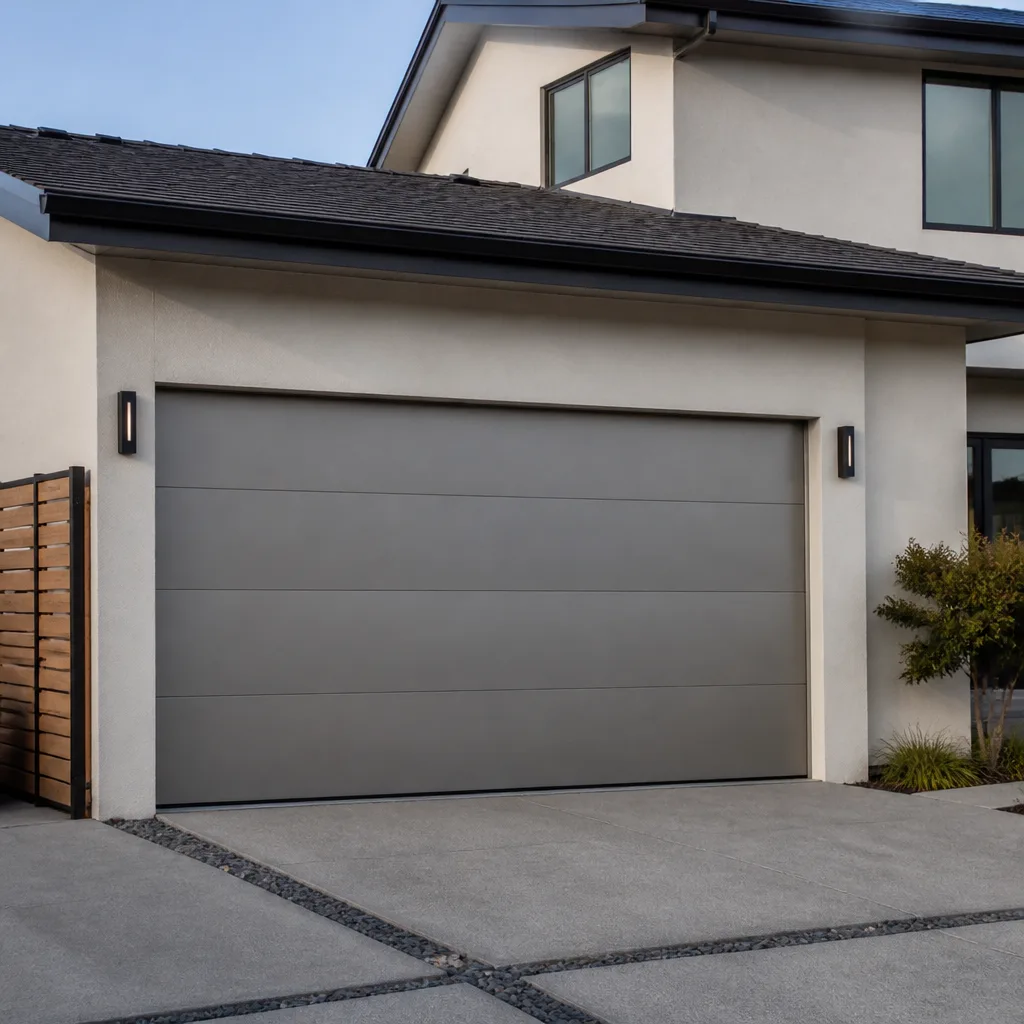 Modern flush
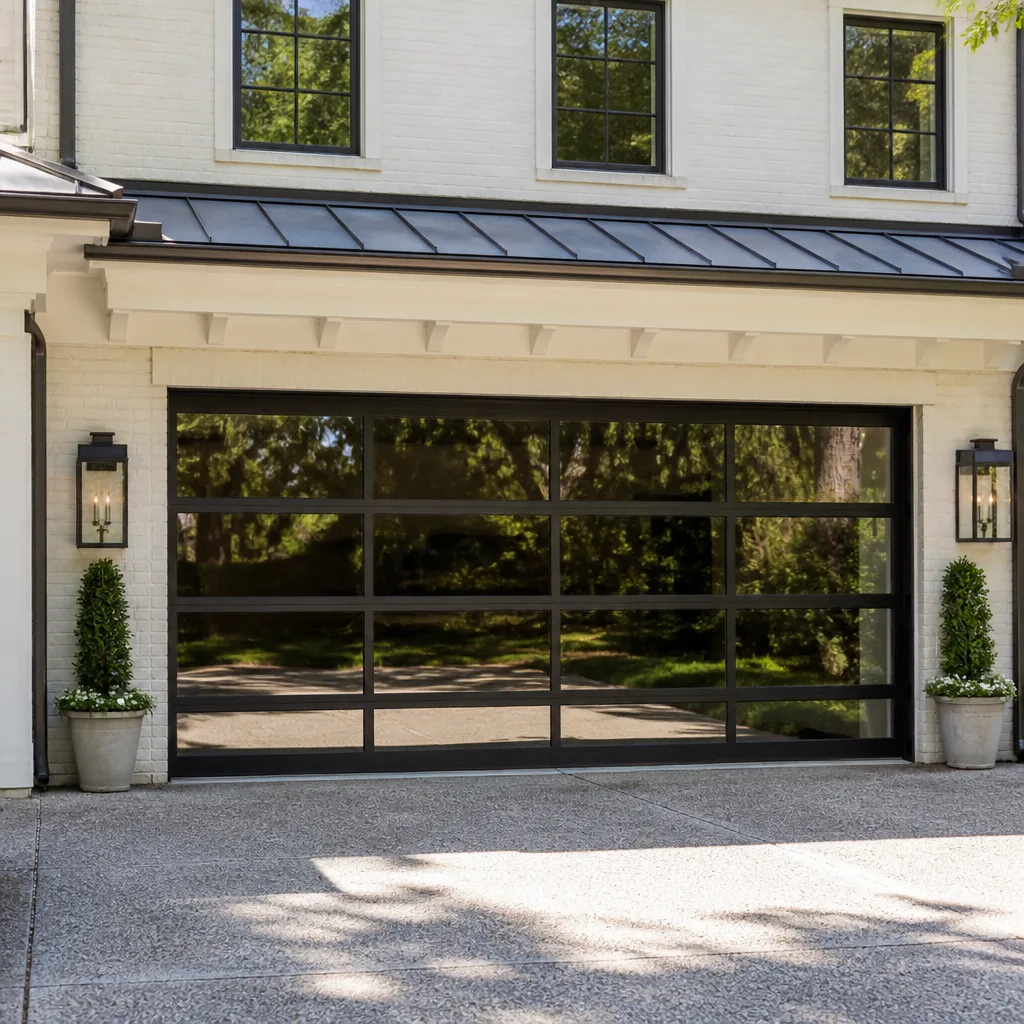 Full-view glass
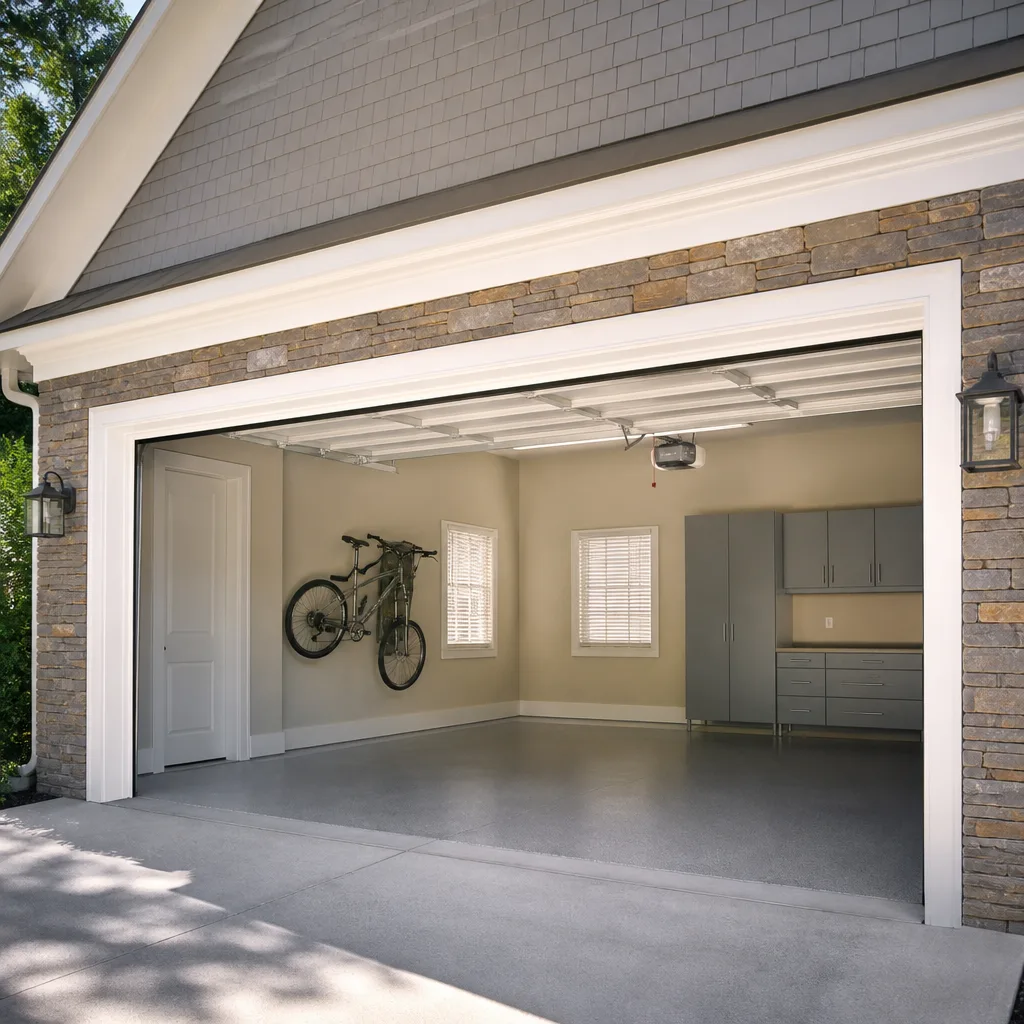 LiftMaster openers
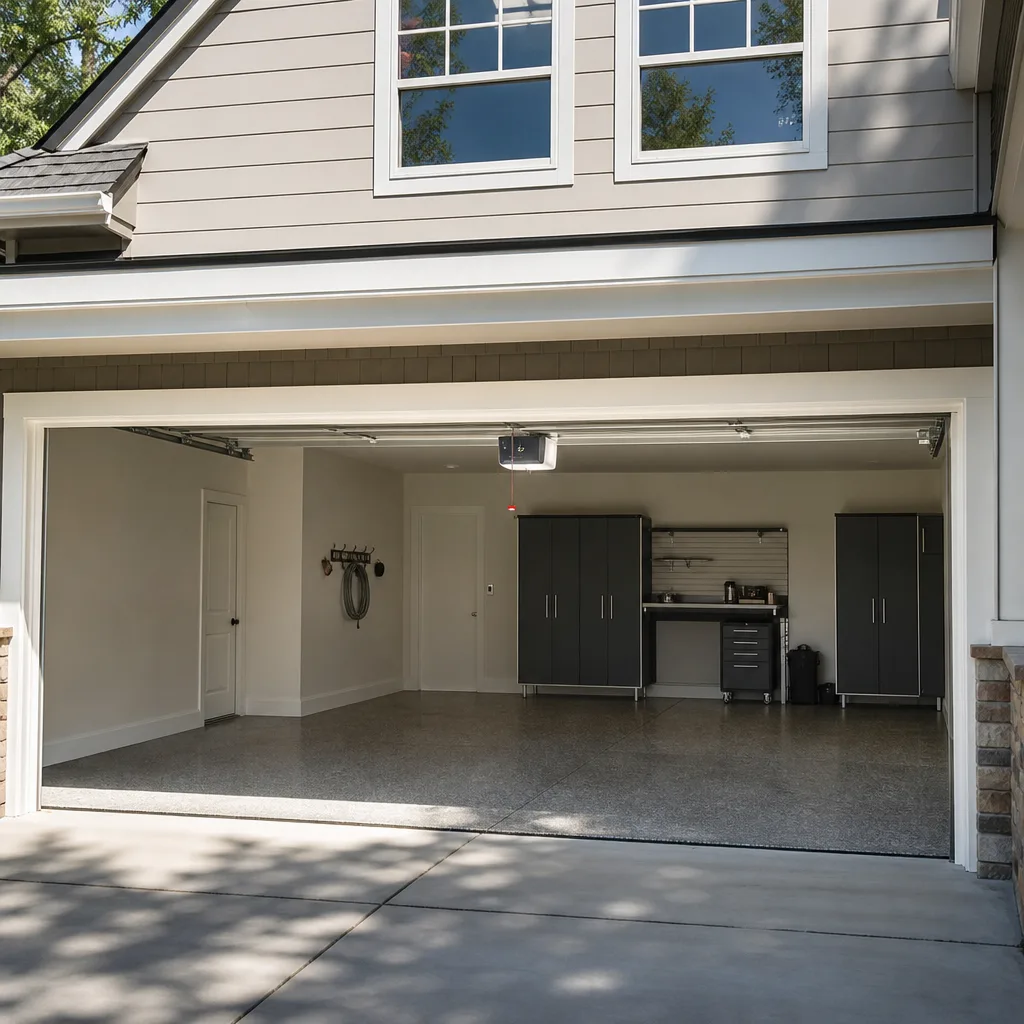 Chamberlain openers
Full 25-point door and opener safety check with every visit - springs, cables, rollers, tracks, and your LiftMaster or Chamberlain opener included
You get a price before we start. It does not change when the truck arrives.
Get your free estimateGarage Door Repair Maintenance Checklist for Ontario Homeowners
In Ontario, the garage door fails most often not because it’s old, but because it’s ignored until something snaps. We’ve run enough emergency calls in this city to know the pattern: a homeowner hits the opener on a 105°F afternoon, hears a crack like a gunshot, and suddenly their car is trapped inside. The frustrating part is that the snapped spring that caused it almost always showed warning signs weeks earlier. This guide lays out the maintenance checklist that catches those signs before they become a $300 emergency. It’s built specifically for Ontario’s climate, not copied from a generic national template, because our dry heat, Santa Ana winds, and thermal swings create failure patterns you won’t find in a Seattle or Chicago garage.
Styles & brands we work with
Quick Answer
A garage door maintenance checklist for Ontario homeowners should include monthly visual inspection of springs, cables, and rollers for wear, quarterly lubrication with a silicone-based product (never WD-40), semi-annual weatherstripping checks especially before Santa Ana season, and annual professional balance and safety testing. The five-minute monthly check, focused on spring fatigue and roller wear, is the single highest-value task most Ontario homeowners skip, and it’s also the one most likely to prevent a stranded-car emergency.
Table of Contents
- Why Ontario’s Climate Beats Up Garage Doors Differently
- The 10-Minute Monthly Checklist That Prevents Most Emergencies
- The Five Physical Signs of Spring Fatigue in High-Heat Environments
- How to Lubricate Rollers, Hinges, and Tracks for Dry Climates
- Weatherstripping Inspection Protocol for Santa Ana Wind Season
- Which Maintenance Tasks Void Manufacturer Warranties
- Month-by-Month Task Breakdown for Ontario’s Seasonal Patterns
- Common Mistakes to Avoid
- When to Call a Professional
- Frequently Asked Questions
- The Bottom Line
Why Ontario’s Climate Beats Up Garage Doors Differently
Ontario sits in a semi-arid pocket of the Inland Empire where summer temperatures routinely cross 100°F and relative humidity can hover below 20% for weeks at a time. That combination, sustained over months, does two things to a garage door system that a coastal climate never will. First, the extreme heat accelerates metal fatigue in torsion springs. A spring rated for 10,000 cycles will lose tension faster when it’s expanding and contracting across a 40-degree daily temperature swing. Second, the low humidity dries out rubber seals, plastic bushings, and nylon rollers until they crack, harden, or bind. We’ve replaced weatherstripping on doors in the Creekside and Edenglen neighborhoods that had turned brittle enough to snap by hand after just two summers.
Then there are the Santa Ana winds. Between September and January, those northeast gusts push fine dust and debris into every gap a garage door has. That grit settles into roller tracks and hinge pins, creating the grinding noise and jerky movement that homeowners notice when the door feels heavier than it did in spring. A maintenance routine for Daybreak Garage Door Repair home customers in Ontario has to account for these conditions, not just remind you to look at the door twice a year.
The good news is that Ontario’s climate, while harsh on components, is also predictable. That predictability means a short monthly ritual, paired with a few seasonal tasks, prevents the overwhelming majority of failures we see on emergency calls. The sections below walk through exactly what to check, when, and what to do about it.
The 10-Minute Monthly Checklist That Prevents Most Emergencies
This is the core routine. It takes ten minutes, requires no special tools beyond a step stool and a flashlight, and catches roughly 80% of the problems that eventually turn into repair calls in Ontario. Do it on a consistent day, the first Saturday of the month works well, so it becomes automatic.
- Run the door through one full cycle. Open it fully, then close it fully. Watch and listen. A healthy door moves smoothly, without jerking, grinding, scraping, or hesitation. If you hear a new noise, note where it’s coming from before you do anything else.
- Visual check of both torsion springs. With the door closed, stand inside and look up. You’re checking for gaps in the coil, rust accumulation, or any visible separation in the spring. These are the first signs of impending failure. Do not touch the springs.
- Inspect cables for fraying. The two lift cables run vertically on either side of the door. Look for broken strands, rust at the bottom anchor point, or any slack that shouldn’t be there. A cable with three or more broken strands is a replacement job, and it’s not a DIY one.
- Check rollers for wear. With the door closed, look at each roller where it meets the track. Nylon rollers should be round, not flat-spotted or chipped. Steel rollers should show no visible rust or wobble. You’re looking for cracks, not just noise.
- Look at the bottom weatherstrip. Run your hand along the rubber seal at the bottom of the door. It should compress slightly against the floor and have no tears, flat spots, or sections where it’s pulling away from the door frame.
- Test the auto-reverse safety feature. Place a 2×4 flat on the floor under the door’s path, then close the door. It should reverse within two seconds of contacting the wood. If it doesn’t, that’s a safety hazard and a same-day repair priority.
- Check track alignment by eye. Stand inside and look down each vertical track. They should be parallel to the door and to each other. Gaps, bends, or a track that’s pulling away from the wall indicate the door is working against its own hardware.
This monthly routine is the single highest-value habit an Ontario homeowner can build. It’s the difference between catching a fatigued spring for a $200 replacement and discovering it snapped on a Sunday evening with the car inside. And if you ever see something on this list that concerns you, garage door repair in Ontario doesn’t have to wait until it fails completely.
The Five Physical Signs of Spring Fatigue in High-Heat Environments
Torsion springs fail from metal fatigue, and in Ontario, high heat accelerates that fatigue. A spring that’s reaching the end of its service life gives you visible, audible, and tactile warnings. Here are the five signs we tell homeowners to look for, because we’ve seen each one predict a failure within weeks in this climate.
- A wider coil gap on one side. Torsion springs are wound tightly. When you look at the spring with the door closed, the coils should be evenly spaced. If you see a gap between two adjacent coils that’s visibly wider than the others, that’s a stress concentration point. It’s where the spring will eventually break.
- Rust powder or orange dust on the spring. In Ontario’s dry climate, rust doesn’t spread as aggressively as in coastal cities, but it doesn’t need to. Surface rust on a torsion spring creates micro-pits that concentrate stress. If you see rust lines or flaking anywhere on the spring, it has lost a meaningful percentage of its rated cycle life.
- The door feels heavier in manual mode. Pull the red emergency release cord and try lifting the door by hand. A properly balanced door lifts smoothly and stays put at waist height. If it feels heavy, drops when you let go, or requires significant effort to raise, the spring has already lost tension. This is the clearest single indicator.
- The opener sounds like it’s straining. LiftMaster and Genie openers have distinct sound profiles. A healthy opener labors only briefly at the start of a cycle. If yours sounds like it’s grinding, whining, or running longer than it used to, the motor is compensating for a weakening spring.
- Visible coil separation on a side-mounted spring. If your door uses extension springs rather than torsion springs (common on older Raynor and Wayne Dalton models in Ontario), look for stretching. An extension spring that’s longer than its partner or shows separated coils is done.
If you notice any one of these, schedule a spring replacement before it fails. A planned replacement costs less than an emergency call, and you won’t be stuck with a door that won’t open. If you see two or more signs, treat it as urgent.
How to Lubricate Rollers, Hinges, and Tracks for Dry Climates
Lubrication in Ontario is different than in humid climates, and the product you use matters more than most people realize. The dry heat here doesn’t wash away lubricant, it bakes it off or lets it evaporate. That means you need a product that stays put and doesn’t attract the fine dust that Santa Ana winds blow into your garage.
The product: Use a white lithium grease or a silicone-based garage door lubricant. Never WD-40. WD-40 is a solvent and water displacer, not a lubricant. It will strip existing grease from hinges and rollers, and within a week in Ontario’s heat, those metal-on-metal contact points will be running dry. Hardware stores carry dedicated garage door lubricants in spray form that cost under $15 and last a full season.
The method:
- Close the door. Working with the door closed keeps tension off the springs and lets you reach all the pivot points safely.
- Lubricate hinges first. Each door panel has hinges on both sides. Spray a short burst at each hinge pin, right where the two hinge plates pivot. Three seconds per hinge is enough. Wipe away excess with a rag so dust doesn’t stick.
- Lubricate rollers. Spray where the roller stem meets the wheel, not the track. Nylon rollers need lubrication at the bearing inside the wheel. Steel rollers need it at the stem. Lubricating the track itself is a mistake, it just collects dust and makes the door slide worse.
- Lubricate the torsion spring. Run a thin coat along the top of the spring while it’s under tension. This reduces friction between the coils as the spring winds and unwinds, which matters more in high-heat environments where metal expands and binds. The spring coils rub against each other on every cycle.
- Lubricate the opener chain or screw. If you have a Chamberlain or LiftMaster chain-drive opener, apply a light coat to the chain. For screw-drive Genie openers, a small amount of lithium grease on the screw is correct. Belt-drive openers need no lubrication.
- Cycle the door twice. Open and close it fully to work the lubricant into the pivot points. Wipe away any drips.
In Ontario’s climate, lubricate quarterly. That means four times a year, roughly on the first week of March, June, September, and December. The September session is particularly important because it preps the hardware for the dry, gritty Santa Ana months.
Weatherstripping Inspection Protocol for Santa Ana Wind Season
Santa Ana winds in Ontario are more than a fire-weather headline. They drive fine dust, leaves, and sand into every gap around a garage door, and they do it with enough force to embed grit in places your monthly check might miss. The weatherstripping on your door is the first line of defense, and it takes more abuse in Ontario than almost any other component.
Here’s the inspection protocol, best done in late August or early September, before the strongest winds arrive:
- Check the bottom seal first. Close the door and look for daylight underneath. Walk the full width. Any gap wider than a quarter-inch means the seal isn’t contacting the floor. In Ontario, concrete slabs shift with thermal expansion, so a seal that fit in January may gap in July.
- Run your fingers along the bottom seal. Feel for cracks, brittleness, and flat spots. A seal that’s lost its flexibility, meaning it doesn’t spring back when you squeeze it, is already failing. It will tear during the first strong Santa Ana event.
- Inspect the side and top weatherstripping. These are the flexible vinyl strips mounted to the door frame. Look for gaps at the corners where dust can enter, and check for sections that have pulled loose from the frame. Press them back if they’re loose. If they stay bent or spring away, replace them.
- Test the seal with the door closed and a work light. Turn on a bright work light inside the garage and close the door. Walk the perimeter from outside. Any place you can see light seeping through is a place dust and wind debris are entering in Santa Ana season.
- Clean the tracks before wind season. Santa Ana winds deposit fine dust that settles in the tracks and gets ground into a paste by the rollers. Before wind season, vacuum or wipe out the vertical tracks with a dry rag. This is low-effort and prevents the gritty scroll noise we hear from Ontario garages every November.
This protocol matters for more than dust control. Doors exposed to Ontario’s Santa Ana events accumulate debris in the bottom track that can prevent the door from seating properly. When the door doesn’t seat, the safety sensors can trigger a false obstruction, and the door reverses mid-cycle. That’s the second most common reason we get called out during high-wind months, behind snapped springs.
Which Maintenance Tasks Void Manufacturer Warranties
Manufacturer warranties on garage doors and openers are specific documents, and Ontario homeowners sometimes discover, too late, that a skipped maintenance task or an incorrect repair invalidated coverage. Here’s what the major brands actually say in their warranty language.
Skipped lubrication is the most common warranty killer. Chamberlain, LiftMaster, and Genie warranties all require the owner to maintain the moving parts, and that includes periodic lubrication of hinges and rollers. If a roller fails and the manufacturer can show the bearing ran dry from lack of lubrication, the claim gets denied. In Ontario’s dry climate, this happens faster than in most markets.
Using the wrong lubricant voids hardware warranties. Spraying WD-40 or penetrating oil on hinges, rollers, or springs does more than shorten component life. It gives manufacturers a documented reason to decline a warranty claim, because the incorrect product can be shown to have caused premature wear.
Painting the door with the wrong paint type voids the door panel warranty. Clopay and Amarr warranty terms specifically prohibit painting steel doors with dark colors without a factory-approved primer, and prohibit repainting any door with a coating that traps heat. In Ontario, where a dark-painted door can reach surface temperatures over 160°F on a summer afternoon, this one matters more than elsewhere. A heat-damaged panel with the wrong paint won’t be covered.
Adjusting or replacing springs yourself voids the door warranty in most cases. This is explicitly stated in the warranty documents from Clopay, Amarr, and Wayne Dalton. Torsion springs are under enough tension to cause severe injury, and manufacturers do not warranty doors that have had owner-performed spring work. This is a component where a professional repair preserves your coverage.
Modifying the opener’s safety system voids opener warranties. Bypassing the auto-reverse sensors, even to temporarily eliminate a false-obstruction problem, is a warranty violation on every major opener brand. Chamberlain and LiftMaster warranty language is explicit on this.
The practical takeaway: follow the maintenance schedule in this guide, use correct products, and leave spring work to a professional. That’s how you keep your warranty intact. If you need opener-specific guidance, our garage door opener repair in Ontario service handles diagnostics and warranty-compliant repairs for LiftMaster, Chamberlain, Genie, and Craftsman systems.
Month-by-Month Task Breakdown for Ontario’s Seasonal Patterns
Ontario’s seasonal rhythm doesn’t follow a neat four-quarter model. The city gets two harsh seasons, summer heat and Santa Ana wind, with mild transition periods in between. Here’s the month-by-month breakdown we recommend, built around what actually fails in each part of the year.
January – February: Post-Wind Season Reset
- Thoroughly clean the tracks. Santa Ana winds have been depositing dust and grit for months.
- Inspect weatherstripping for wind damage. Tears and gaps from January gusts need replacement before spring.
- Test the auto-reverse safety feature. Temperature swings can cause sensor misalignment.
- Check the emergency release cord for proper function.
March – April: Pre-Summer Preparation
- Lubricate all hinges, rollers, and the torsion spring. This is the first of four quarterly lubrication sessions.
- Test door balance manually. A door that’s been fine all winter may show spring fatigue as temperatures start climbing.
- Inspect cables and rollers for wear that accumulated during winter use.
- Clean the photo eye sensors with a dry cloth. Spring pollen and dust in Ontario coat the lenses.
May – July: Peak Heat Maintenance
- Lubricate again in early June. Heat is already accelerating lubricant evaporation.
- Check weatherstripping flexibility. The bottom seal on a south-facing door is taking maximum sun exposure right now.
- Watch for spring fatigue signs. High heat is when torsion springs in Ontario fail most often.
- Listen for opener strain. A LiftMaster or Genie opener working harder in July is compensating for a weakening spring.
August – September: Santa Ana Preparation
- Complete the full weatherstripping inspection protocol described above.
- Clean tracks one more time before wind season deposits six months of dust.
- Lubricate in early September so components are protected before the dry wind cycle.
- Tighten any loose hardware. Vibration from daily operation loosens track bolts over time.
October – December: Wind Season Vigilance
- Check the bottom seal for debris accumulation after each major wind event.
- Test the safety reverse monthly. False obstructions from wind-blown debris are common now.
- Lubricate in early December to carry the system through the holiday season.
- Inspect the full door after any wind event over 40 mph. Flying debris can dent panels or knock tracks out of alignment.
If you’re considering a full replacement rather than maintaining an older door, garage door installation in Ontario is something we handle with brand-specific guidance for the right door for this climate.
Common Mistakes to Avoid
- Using WD-40 for everything. It’s a solvent, not a lubricant, and in Ontario’s dry heat it strips existing grease and leaves metal parts unprotected. A door lubricated with WD-40 will seize faster than one that was never lubricated at all.
- Lubricating the tracks. This is counterproductive. Lubricated tracks collect dust, and in Santa Ana season, that dust becomes an abrasive paste. Tracks should be clean and dry, never greased. Only the roller bearings and hinge pins need lubrication.
- Ignoring a noisy door because it still works. Grinding, scraping, or popping sounds are early warnings. By the time the door stops working, the component has already failed, and the repair is more expensive than an earlier fix would have been. In Ontario, a popping torsion spring often has days or weeks of audible warning first.
- Attempting DIY spring replacement. Torsion springs are under tension that can kill. This is the one garage door task where the amateur failure rate results in serious injuries every year. It also voids your door warranty, as covered above.
- Replacing only one spring on a two-spring door. When one torsion spring breaks, the other is at the same point in its service life. Replacing only the broken one leaves an unbalanced system, and the older spring will fail soon after. This is a false economy we see frequently.
- Painting a steel door without checking manufacturer specs. Dark paint on a south-facing Ontario garage door can push panel surface temperatures past the manufacturer’s rated limit, leading to warping and paint failure that isn’t covered by warranty.
- Skipping the monthly check entirely. The ten-minute routine above is the highest-ROI maintenance habit available. Every emergency call we take in Ontario for a snapped spring or seized roller started with weeks where a monthly check would have caught it.
When to Call a Professional
Some garage door tasks belong strictly in professional hands, and recognizing where that line sits saves money, preserves warranties, and prevents injuries. Call a professional for anything involving torsion springs, whether it’s replacement, adjustment, or even close inspection of a spring that’s showing fatigue signs. The same applies to lift cables, which run under high tension and can cause serious injury if they snap during a DIY repair. Track realignment, opener replacement, and any repair involving the opener’s internal electronics are also professional work. If you’ve noticed the spring fatigue signs from earlier in this guide, or if your door is making a noise you can’t source, don’t wait. Daybreak Garage Door Repair offers our Garage Door Repair services with free estimates in Ontario, call (877) 588-6760.
Frequently Asked Questions
A professional garage door tune-up and safety inspection in Ontario typically costs between $85 and $150, depending on the number of components inspected, lubricated, and adjusted. DIY maintenance costs under $20 per year for a can of silicone lubricant and basic cleaning supplies. Call (877) 588-6760 for a free estimate on a maintenance visit or any repair the inspection uncovers.
Lubricate hinges, rollers, and springs four times per year in Ontario, roughly once per quarter, because the dry heat evaporates lubricant faster than humid climates do. The September session is the most important one, since it protects components before Santa Ana wind season deposits abrasive dust everywhere.
No. Torsion springs are under enough tension to cause fatal injury, and amateur replacement is the most dangerous garage door task there is. It also voids the manufacturer’s warranty on most door brands including Clopay, Amarr, and Wayne Dalton. Spring replacement should always be handled by a trained professional.
The five warning signs are a wider coil gap on one side of the spring, rust powder on the spring surface, a door that feels heavy when operated manually, an opener that sounds like it’s straining, and visible coil separation on extension springs. Any one of these warrants professional inspection; two or more means replacement is urgent.
Yes. Sustained 100°F+ summer temperatures in Ontario accelerate metal fatigue in torsion springs and cause rubber weatherstripping to dry out and crack faster than in moderate climates. South-facing doors absorb additional heat, and dark-colored doors can exceed manufacturer temperature ratings, which is why Ontario homeowners should follow the quarterly lubrication schedule in this guide.
Standard torsion springs are rated for 10,000 cycles, which typically translates to 7 to 12 years for most Ontario homeowners, but the high-heat climate can shorten that lifespan by 15 to 20% compared to coastal areas. Springs with higher cycle ratings last longer and cost more upfront, making them worth considering when replacement time comes.
The Bottom Line
A garage door maintenance routine built for Ontario’s climate is the cheapest insurance a homeowner can buy. Ten minutes a month, quarterly lubrication with the right product, a weatherstripping check before Santa Ana season, and annual spring inspection catches the failures that otherwise strand cars in garages and turn $200 fixes into $500 emergencies. The snap you hear in July almost always had visible warnings in June. The dry, hot conditions here are hard on hardware, but they’re predictable, and predictability is what maintenance exploits. Follow the checklist, leave spring and cable work to professionals, and your door will last years longer than the neglected ones we replace across this city every week. For more guides & resources, explore our blog.
Written by the team at Daybreak Garage Door Repair, serving Ontario since 2011.
See the difference
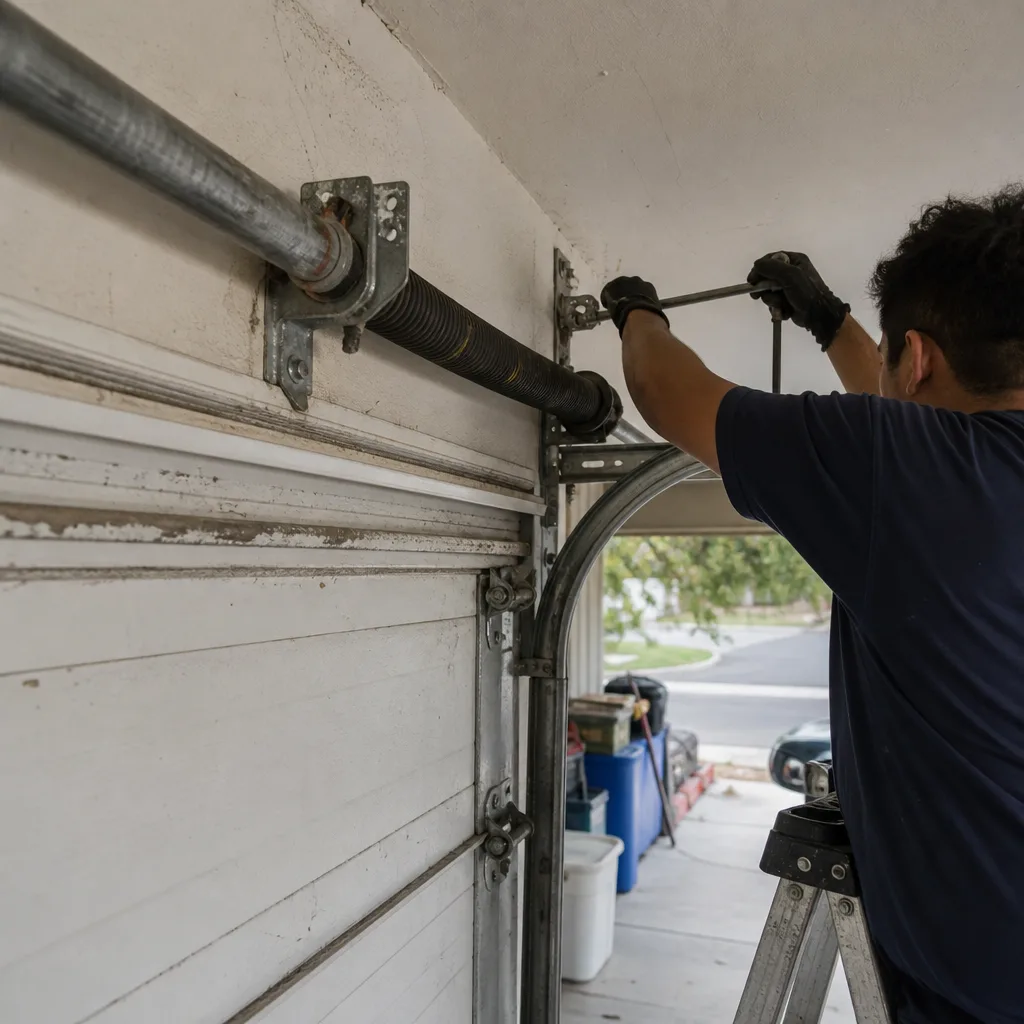 Before
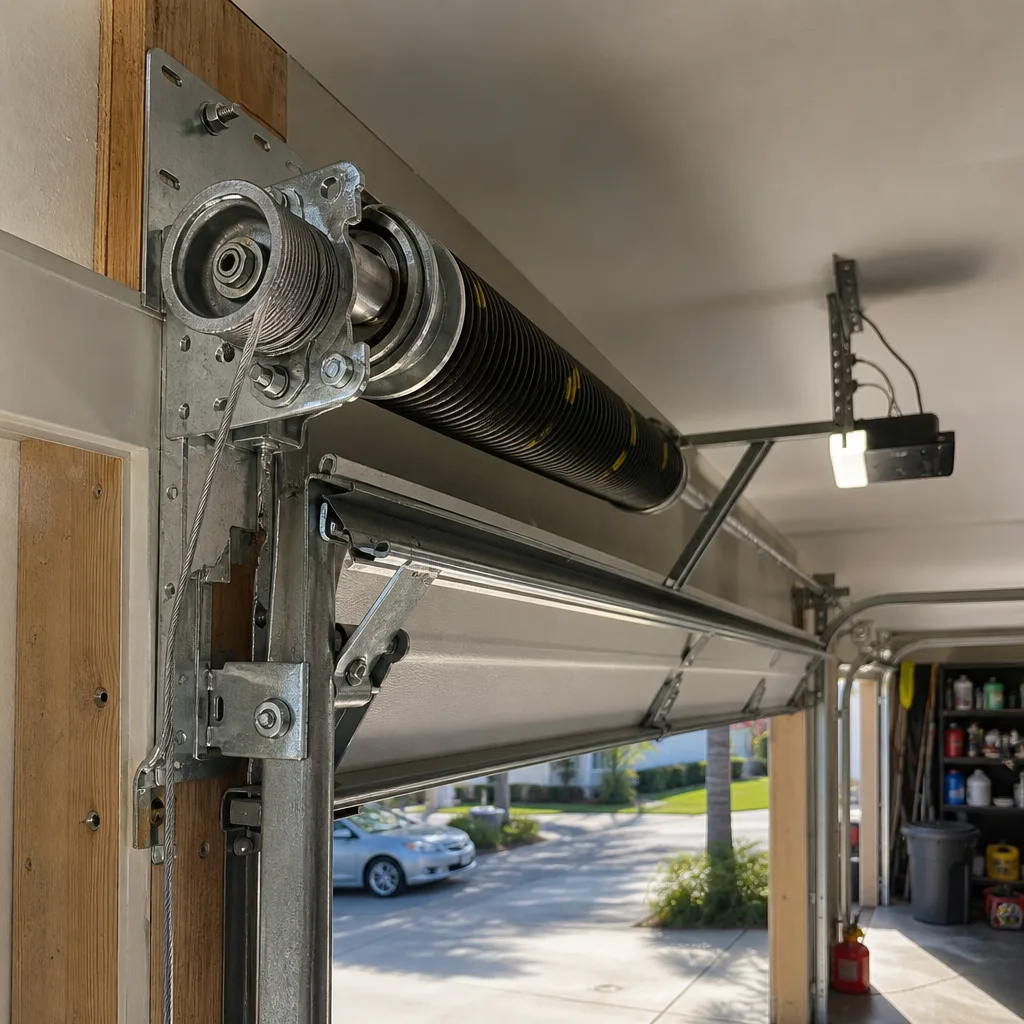 After
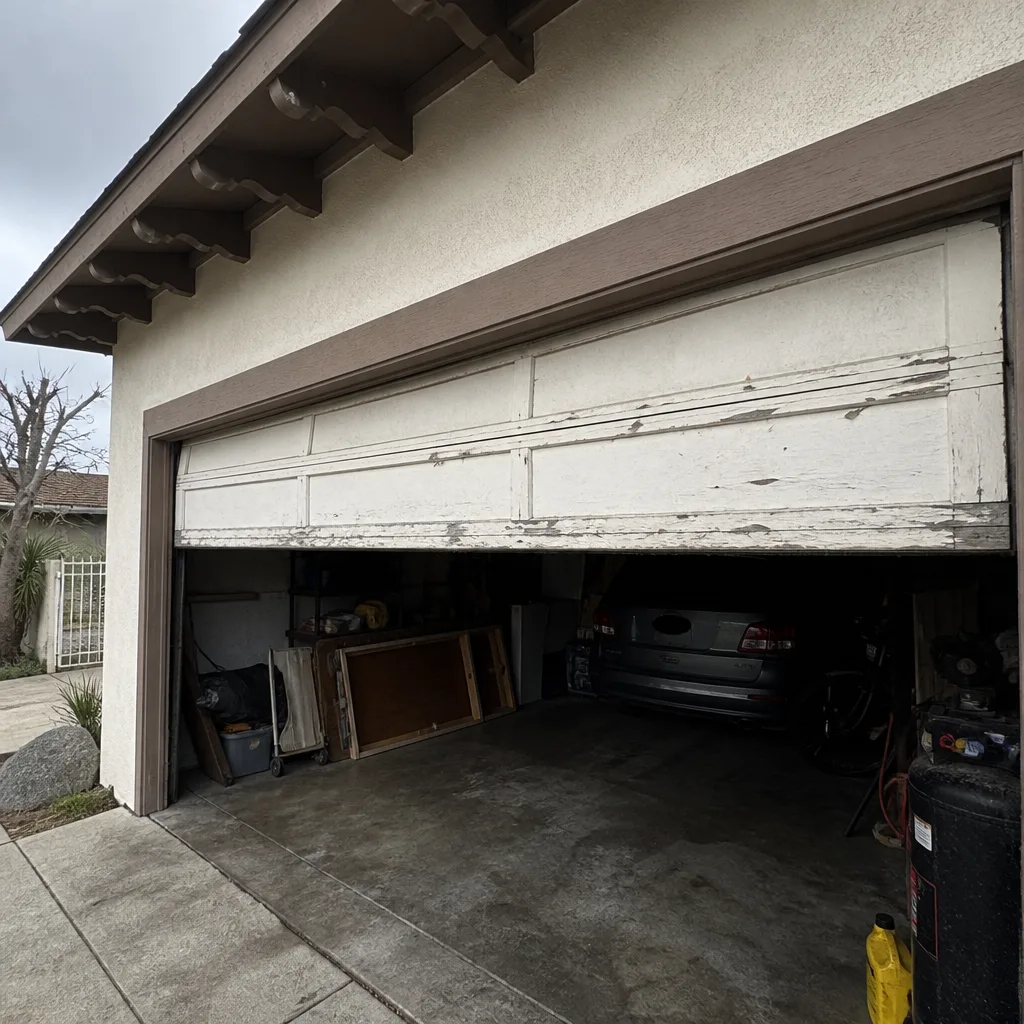 Before
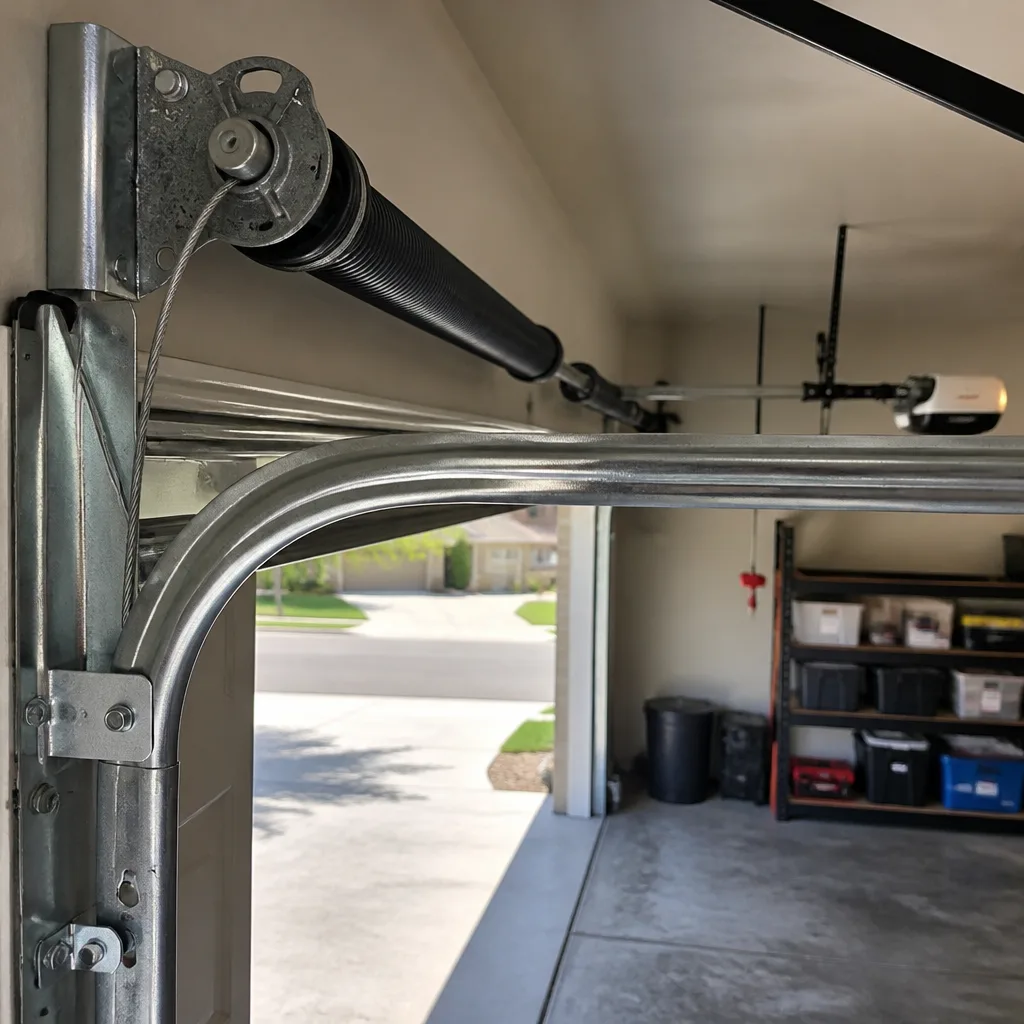 After
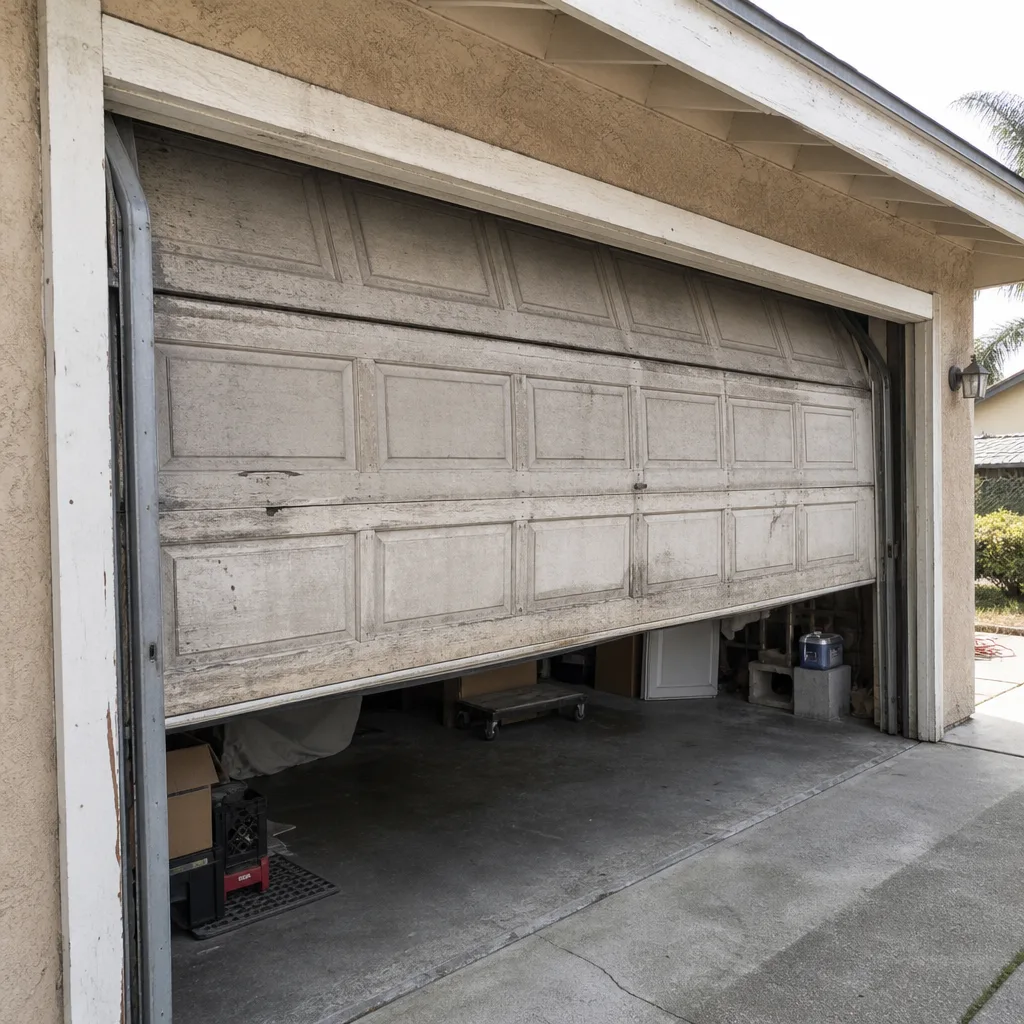 Before
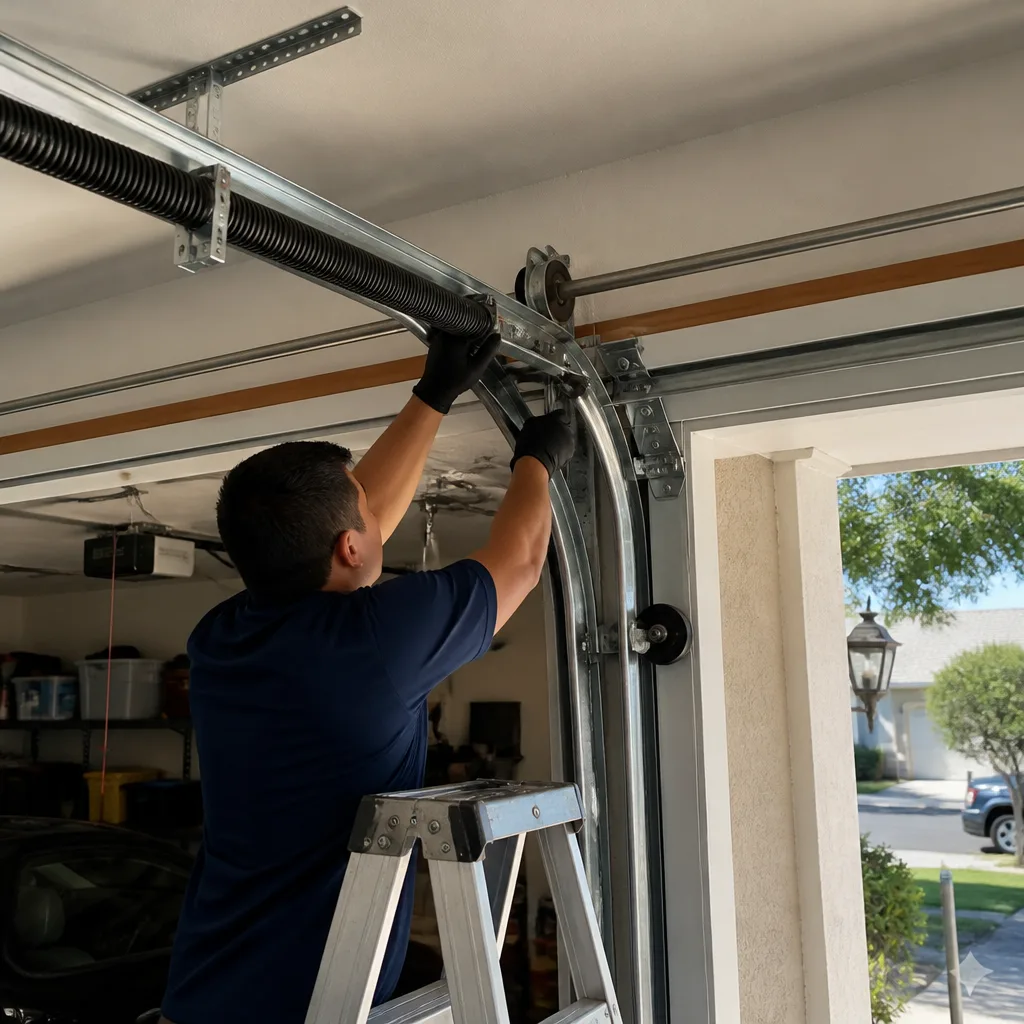 After