
Last updated October 30, 2026
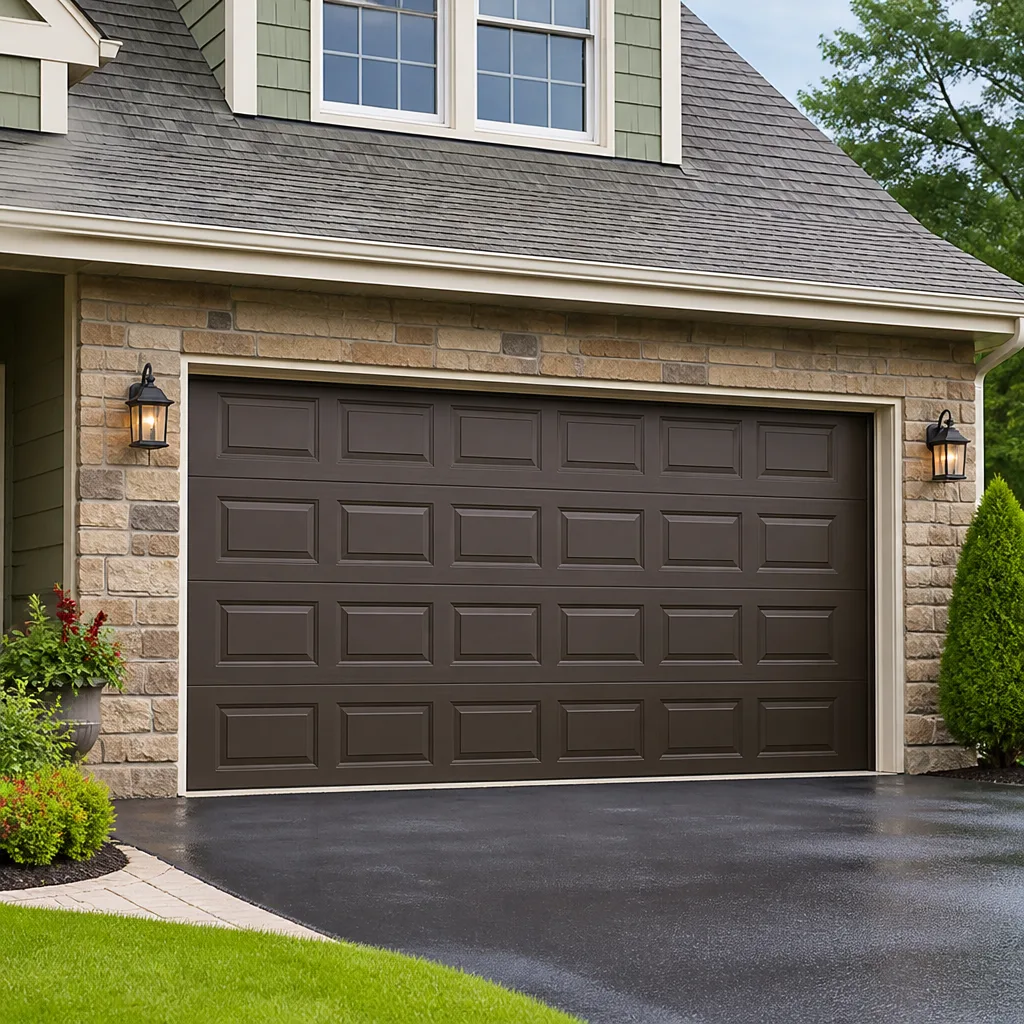 Raised-panel steel
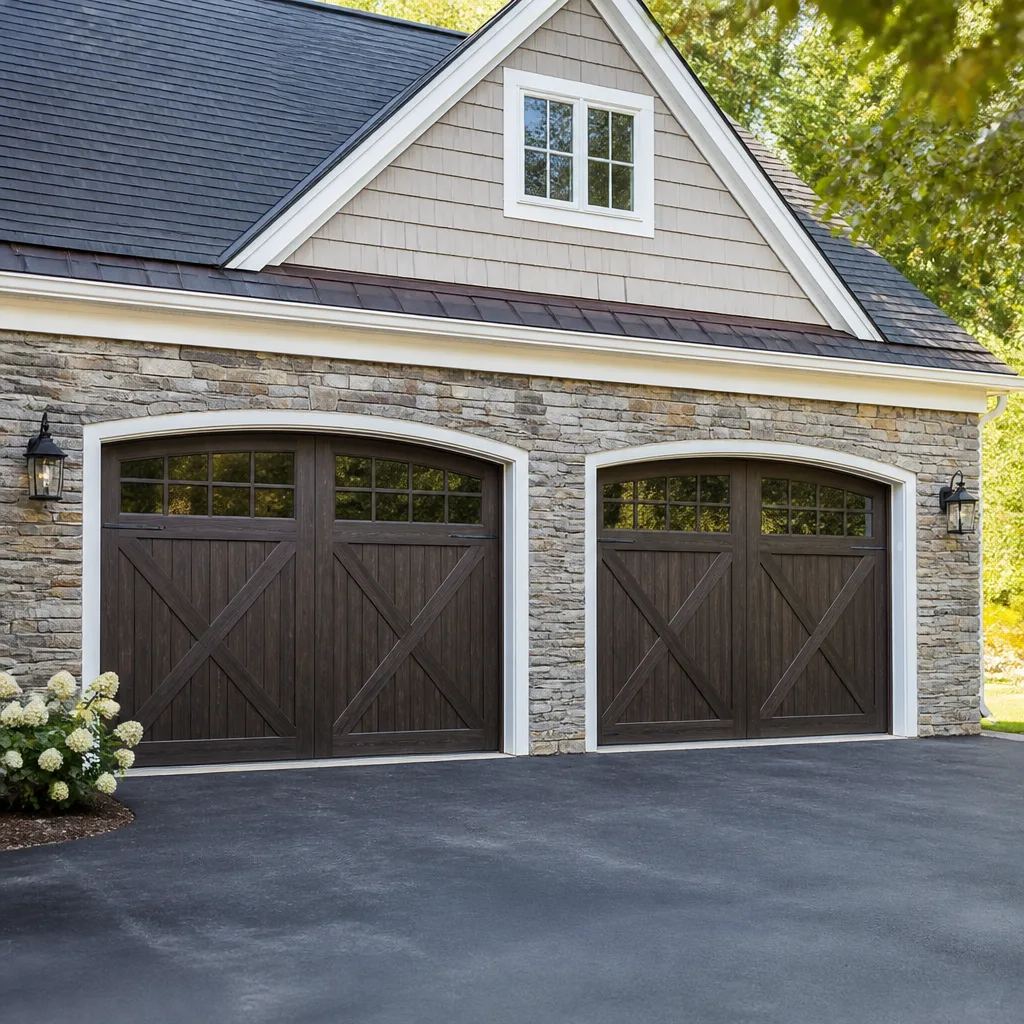 Carriage house
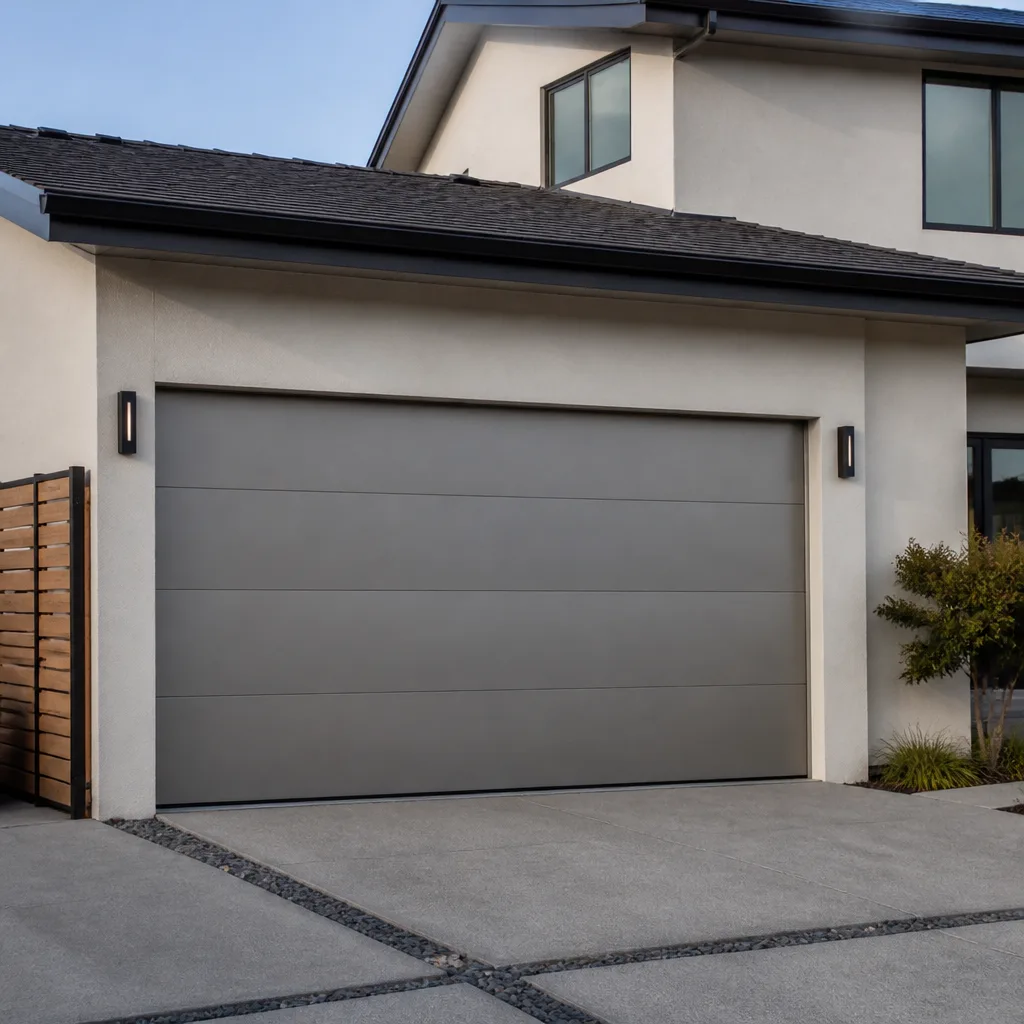 Modern flush
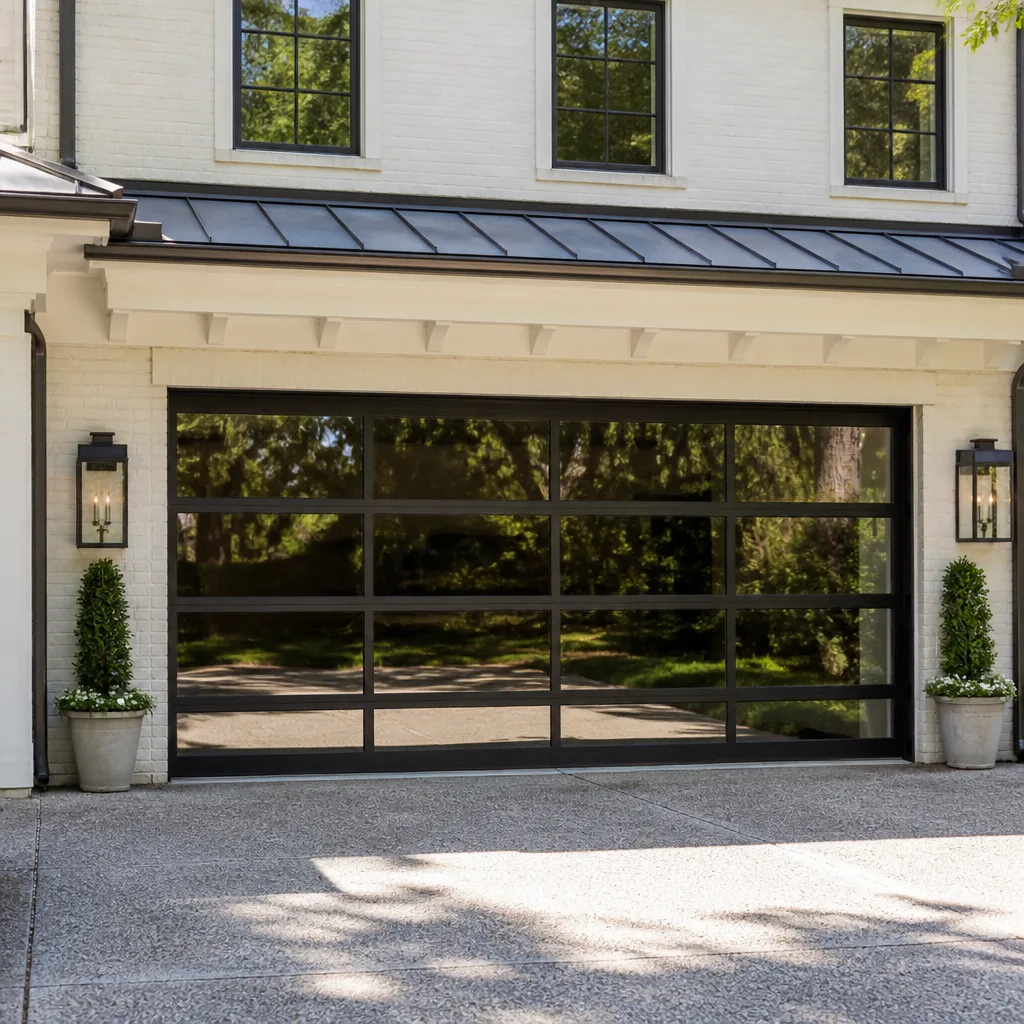 Full-view glass
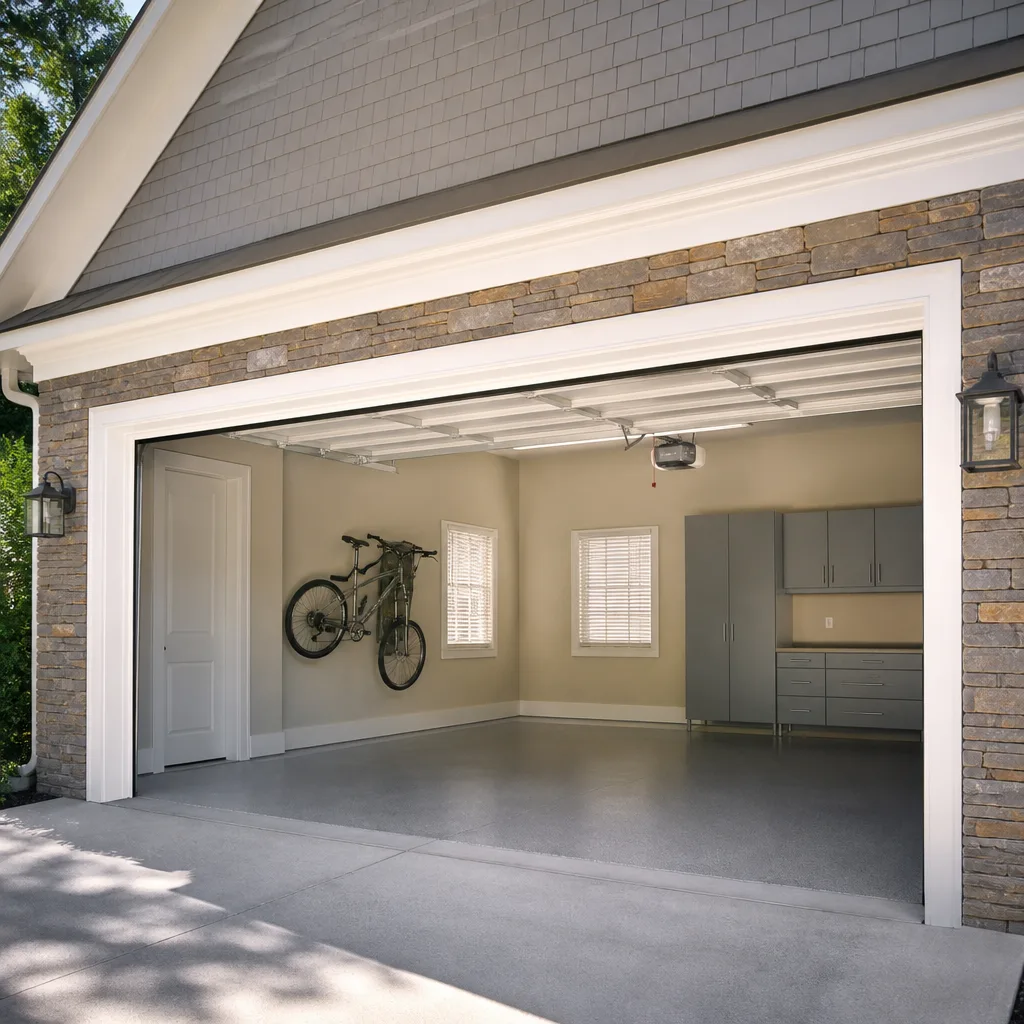 LiftMaster openers
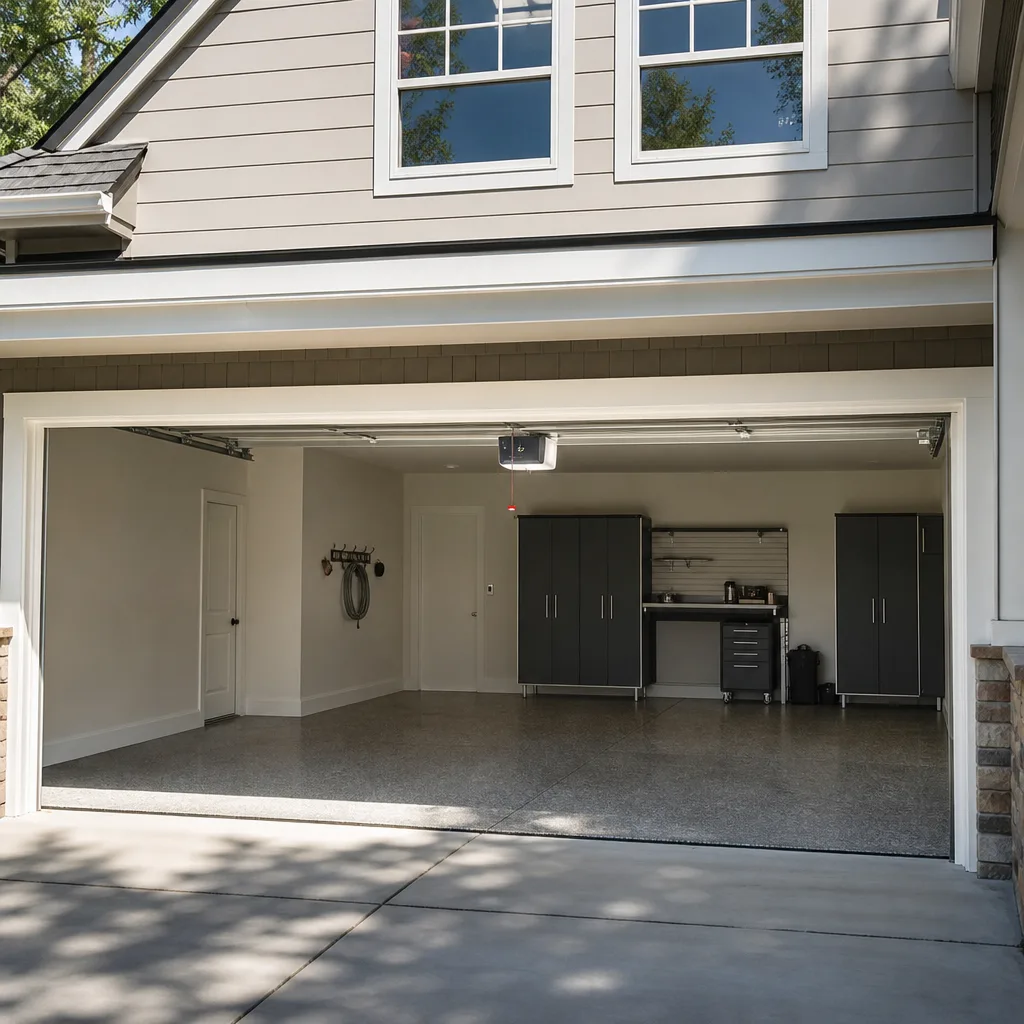 Chamberlain openers
Full 25-point door and opener safety check with every visit - springs, cables, rollers, tracks, and your LiftMaster or Chamberlain opener included
You get a price before we start. It does not change when the truck arrives.
Get your free estimateGarage Door Repair Troubleshooting: Common Problems and How to Fix Them
A garage door that reverses before hitting the ground is almost never a sensor problem. It’s usually a spring tension issue that makes the opener’s built-in resistance detector trigger early. Replacing sensors for this fixes nothing, and we’ve watched homeowners in Ontario pay for that exact misdiagnosis more times than we can count. What follows is the diagnostic logic we use on our Garage Door Repair services calls, stripped down so you can find the real cause before you spend a dollar on parts you don’t need.
This guide walks through the symptom-to-cause mapping that separates actual mechanical failures from false alarms, which tests are safe to run yourself, which problems create genuine injury risk, and how to describe what you’re seeing to a technician so the quote you get on the phone matches the work that actually needs doing. For more guides & resources, explore our blog.
We’re writing this from Ontario, where garage doors take a beating from summer heat, Santa Ana winds, and the fine dust that settles into tracks and rollers. The problems we see here reflect that climate, and the fixes reflect what actually works on the doors installed across this city.
Quick Answer
Garage door troubleshooting starts with one question: is the problem in the door itself or in the opener that drives it? Disconnect the opener using the red manual release cord and lift the door by hand. If it’s heavy, stuck, or unbalanced, the door needs mechanical repair. If it moves smoothly by hand, the opener is the likely culprit. Most door-side problems trace to springs, cables, rollers, or track alignment. Most opener-side problems trace to force settings, travel limits, or dying capacitors.
Styles & brands we work with
Table of Contents
- Symptom-to-Cause Mapping: What’s Actually Wrong
- The Manual Release Test: Door vs. Opener in Two Minutes
- The Three Most Misdiagnosed Garage Door Problems
- Which Fixes Are Safe to Do Yourself (and Which Aren’t)
- How to Describe Your Problem Accurately on the Phone
- Garage Door Problems Specific to Ontario Homes
- Common Mistakes to Avoid
- When to Call a Professional
- Frequently Asked Questions
Symptom-to-Cause Mapping: What’s Actually Wrong
The symptom you see is rarely the part that failed. A door that grinds isn’t telling you the rollers are bad; it may be telling you the track is out of alignment and the rollers are being dragged sideways. A door that won’t close isn’t telling you the sensors are broken; it may be telling you the spring has lost tension and the opener’s resistance detector is shutting down before the door forces itself against the floor. Treat the symptom, and you’ll replace a good part while the real problem gets worse.
Here’s the mapping we use on every service call, pairing what a homeowner reports with what we typically find when we open the panels:
- Door won’t open, motor hums but nothing moves: The opener motor runs but the drive gear inside the opener head has stripped, or the spring has broken and the door is too heavy for the opener to lift. Test: pull the manual release and try lifting. If the door is extremely heavy, you have a broken spring. If the door is light, the gear inside the opener likely failed.
- Door reverses before touching the ground: The opener’s force sensor is detecting more resistance than its setting allows. Most often, the spring has lost tension and the door is effectively heavier, so the opener thinks it’s hit something. The fix is spring adjustment or replacement, not new sensors.
- Loud grinding or squealing while moving: Rollers are binding in the track, or the track itself has been knocked out of parallel. In Ontario, wind-driven dust accelates roller wear, especially on north-facing doors.
- One side of the door sits lower than the other: A cable has slipped on the drum, or one spring has broken while the other holds. This is a structural imbalance and gets worse every cycle if ignored.
- Door opens a few inches, stops, and reverses: The travel limit settings have drifted, or the bottom seal is catching on a damaged section of floor or threshold. Sometimes the floor itself has shifted in older Ontario homes, creating a high spot.
- Remote works intermittently: The logic board is losing its signal, the antenna wire is broken, or there’s radio interference from nearby electronics. On LiftMaster and Chamberlain units, we also see wall button failures that mimic bad remotes.
- Door slams shut when closing: The spring is too strong or the opener’s down-force setting is set far too high. Both conditions are dangerous and need immediate correction.
- Door drifts down after opening: The spring is weak or a cable drum has unwound. The door is literally fighting gravity and losing, and the opener’s brake is being overworked in the process.
Each of these pairings matters because it changes what you do next. A humming motor is not a motor problem; it’s a drive gear or spring problem. A reversing door is not a sensor problem; it’s a force detection problem driven by spring tension. Identifying the cause before buying parts saves a lot of money, and it’s exactly what our Garage Door Repair in Ontario work is built around.
The Manual Release Test: Door vs. Opener in Two Minutes
This is the single most useful diagnostic move in garage door troubleshooting, and it takes less than two minutes. The goal is to separate door-side problems from opener-side problems, because the fix paths are completely different and so are the costs. Door work usually involves springs, cables, and rollers. Opener work usually involves the motor, the drive mechanism, and the circuit board inside the motor housing.
Here’s the step-by-step:
- Close the door fully. If the door won’t close, prop it carefully and skip to step three, but know that a door that won’t close under opener power is still a door-weight problem in most cases.
- Pull the red manual release cord. It hangs from the opener rail, usually within reach. Pulling it disengages the opener from the door, and you’ll hear a click.
- Lift the door by hand using the bottom handle or lift points. A properly balanced door should lift smoothly with one hand and stay in place about waist high when you let go. It should not drop, sag, or shoot upward.
- Pay attention to what you feel: grinding means rollers or track. Jerking means a broken spring or slipped cable. Extreme heaviness means spring failure. Smooth movement means the door is fine and the problem is in the opener.
- Re-engage the opener by pulling the cord again or running the opener until the carriage locks back onto the chain or belt drive.
This test works because a garage door spring, when correctly calibrated, counterbalances nearly the entire weight of the door. The door might weigh 150 to 300 pounds, but a healthy spring system makes it feel like 10 to 15 pounds in your hands. If you pull the release and the door feels like it weighs a hundred pounds or more, your spring is broken or severely de-tensioned. That’s a door repair, not an opener repair, and it’s the single most common finding when we get called out for “my opener stopped working” in Ontario.
Run this test before you call anyone. It will shape the conversation, and it will tell you whether you need Garage Door Opener Repair in Ontario or work on the door itself. When a customer can tell us over the phone “I pulled the release and the door drops like a rock,” we know exactly what to bring.
The Three Most Misdiagnosed Garage Door Problems
Every trade has its signature misdiagnoses, and garage doors have three that cost homeowners real money. Learn to spot them with our Garage Door Warning Signs: A Ontario Homeowner’s Reference Guide. These are the calls we get as second opinions after another company replaced a part that didn’t need replacing, and the original problem returned a week later.
Misdiagnosis number one: the “bad sensors” that were never bad. Photo-eye sensors at the bottom of each track get blamed for almost every door that won’t close or reverses. The reasoning seems logical: the sensors see something, so they reverse the door. But photo-eye sensors fail by not seeing, and when they fail completely, the door usually won’t close at all and the opener lights blink in a specific pattern. A door that closes partway and reverses is almost never a sensor problem; it’s the force detection circuit responding to a heavy door caused by weak springs. We’ve replaced sensors on doors that didn’t need them because a previous tech guessed instead of testing. The test is simple: hold the wall button down. If the door closes and stays closed with the button held, the sensors aren’t the real issue.
Misdiagnosis number two: the “broken opener” that was actually a broken spring. When the spring snaps, the door suddenly weighs its full weight. The opener, which is sized for a balanced door, can’t lift it. The motor strains, the gear strips or grinds, and the homeowner assumes the opener died. The opener might still be perfectly fine. In fact, running a healthy opener against a broken spring is often what eventually kills the gear, so the real sequence matters: spring breaks first, opener fails second. Fix the spring and half the time the opener comes back to life with no other work. If you replace the opener without replacing the spring, you’ll burn out the new opener too.
Misdiagnosis number three: the “track adjustment” that ignored the roller. A door that shudders or makes noise gets diagnosed as a track problem because tracks are visible and easy to bend back. But tracks rarely shift on their own unless something hit them. Rollers, on the other hand, wear out constantly, especially the nylon rollers that most modern doors ship with. Worn rollers allow the door to move slightly off-line with every cycle, grinding against the track and eventually causing the track damage that was misdiagnosed in the first place. On Wayne Dalton and Clopay doors in particular, we see roller wear that mimics track issues and gets missed. The fix order matters: replace worn rollers first, then assess the track. Swapping track brackets without fresh rollers just moves the wear around.
Which Fixes Are Safe to Do Yourself (and Which Aren’t)
Some garage door maintenance is genuinely appropriate for a homeowner with basic tools on a Saturday morning. Other work will put you in the hospital if it goes wrong, and the line between the two deserves respect. We say this as people who do this work every day: there are some parts of a garage door system that hold enough stored energy to break bones or worse, and no YouTube video makes them safe.
Here’s what’s safe to handle yourself:
- Lubricating rollers, hinges, and springs with a garage door specific lithium or silicone spray. A can of white lithium grease from any hardware store handles most of it. Do this twice a year and you’ll measurably extend roller life.
- Tightening loose hardware on hinges, brackets, and track bolts. Vibration loosens everything over time, and a socket wrench once or twice a year keeps things square.
- Cleaning the photo-eye lenses with a dry cloth. Ontario dust settles on these constantly, and a dirty lens causes about a quarter of the false “sensor problem” calls we see.
- Replacing a damaged bottom weather seal if you can slide the old one out and the new one in without forcing the door. Keep fingers clear of pinch points.
- Checking the balance using the manual release test described above. Testing is safe. Adjusting springs yourself is not.
- Reprogramming remotes and keypads on LiftMaster, Chamberlain, Genie, and Craftsman openers, following the manual’s instructions. Most of these take ten minutes.
Here’s what requires a trained professional, no exceptions:
- Torsion spring replacement or tension adjustment. The springs mounted above the door store an enormous amount of force. When a spring breaks under tension, the released energy can break arms, hands, and faces. The winding bars used to adjust torsion springs can slip and become projectiles. This is the single most dangerous component in residential construction, full stop.
- Cable replacement. The cables that run along each side of the door are under the same tension as the springs. When a cable frays and snaps, it whips with enough force to slice through skin and muscle. Cable drums are also under spring tension, and removing a cable from a loaded drum without the right sequence releases that tension unpredictably.
- Track removal or major realignment under tension. Tracks bolted to a wall bracket can be adjusted safely with the door down. But any track work that requires removing the bottom brackets, which anchor the cables, means releasing and re-tensioning the spring system first. That’s professional work.
- Replacing the bottom section of a door. The bottom panel carries the cable anchors, and the springs must be de-tensioned before the panel can be removed. Connecting a new bottom panel to a loaded spring system is how serious injuries happen.
- Anything involving the spring anchor brackets or center bearing plate. These parts hold the torsion system in place. If they’re cracked or loose, the entire spring assembly is unstable and needs immediate professional attention.
If you’re unsure whether something is safe to touch, the test is simple: does it involve a spring, a cable, or a bracket attached to either one? If yes, leave it. The cost of a service call is never worth the risk of a broken wrist or worse. Daybreak Garage Door Repair handles spring and cable work daily, and we’d rather come out for a quick check than hear about a homeowner injury that could have been avoided with a phone call to (877) 588-6760.
How to Describe Your Problem Accurately on the Phone
The conversation you have with a garage door company before the truck rolls sets the tone for the entire job. See How to Hire a Garage Door Contractor in Ontario: A Step-by-Step Guide for what to ask. A vague description like “it’s making a noise” forces the tech to guess at what to bring and leaves room for a quote that changes once they see the door. A precise description gets you an honest number on the first call, and it also tells you whether the company actually knows door systems or just knows how to collect a diagnostic fee.
Here’s what to have ready before you dial:
- The exact symptom, in one sentence: “The door opens six inches, stops, and reverses.” Better than “it’s broken.” Better than “it won’t open.” The exact behavior tells us where to look before we show up.
- What you’ve already tested: “I pulled the manual release and the door is heavy.” Or “I pulled the release and it moves fine by hand.” That single piece of information cuts the diagnostic time by half and tells us which truck stock to load.
- The age of the door and opener: If the door is original to a 2003 Ontario home and the spring has never been replaced, we know the spring is past its cycle life. Springs last 10,000 to 15,000 cycles, which for most households is 7 to 12 years. Mention the age even if you’re guessing.
- Any recent work or changes: “We had new flooring put in the garage” matters because a raised floor changes the bottom seal clearance. “We had a new water heater installed” matters because a bumped track changes alignment. Recent context is diagnostic gold.
- What brand and model you have: The opener brand is usually printed right on the motor housing. Raynor doors share components with some LiftMaster openers, and knowing which Craftsman model you have tells us which replacement parts are compatible. Your door panel brand matters too; Wayne Dalton doors use a specific torque-master spring system that is completely different from the torsion setup on an Amarr door. Brand data is not trivia. It determines which parts we carry and how we quote.
When we answer the phone at Daybreak Garage Door Repair, we ask these exact questions. The goal is to give you a real number on the first call, not a range that balloons after we “find things.” When a customer tells us it’s a Wayne Dalton door with a side-mounted Raynor opener from 2008 and they’ve already done the release test and the door is heavy, we can quote spring replacement accurately because we know the exact spring type and labor involved. That’s the difference between a company that knows your door and a company that’s guessing.
This is also the moment that separates honest shops from bait-and-switch operators. A company that won’t ask about your symptom and won’t give you a number before dispatch is a company that plans to sell you something once they’re standing in your driveway. Insist on a detailed question-and-answer first. If they won’t engage with the specifics, call someone else.
Garage Door Problems Specific to Ontario Homes
Ontario’s climate and housing stock create a specific profile of garage door problems that you won’t see in a generic troubleshooting article. We work here. We see these patterns weekly, and understanding them changes how you maintain your door.
First, the dust. Ontario sits in the Inland Empire, where fine particulate from the Santa Ana winds settles on everything, including garage door tracks and rollers. This dust mixes with the lithium grease on rollers and forms an abrasive paste that accelerates wear. Rollers that would last 15 years in a coastal climate often need replacement in 8 to 10 here. The fix is more frequent cleaning and lubrication, not a different door.
Second, the heat. Summer temperatures in Ontario routinely exceed 100 degrees, which affects spring metallurgy over time. Torsion springs expand and contract with temperature swings, and the cumulative stress shortens their cycle life compared to doors in milder climates. We see spring failures spike in late summer, after the hottest stretch of the year has done its work. If your spring is over seven years old and you’ve lived through several record heat waves, expect it to fail sooner rather than later.
Third, the housing stock. Ontario has a large inventory of homes built in the 1980s through early 2000s, and many still have their original doors. Those doors were built with components that are now aging out in sequence: springs first, then rollers, then hinges, then panels. If your home is from that era and you haven’t replaced anything, you’re not in a maintenance phase, you’re in a replacement phase. The good news is that modern doors from Clopay, Amarr, and Wayne Dalton last significantly longer and insulate better than what was standard three decades ago.
Fourth, wind-load issues. The Santa Ana winds put lateral pressure on doors, especially wide two-car doors on north-facing exposures. This pressure flexes the door, which loosens track hardware and shortens roller life. If your door faces north and your neighborhood gets the full force of the winds, check your track bolts twice a year and expect to replace rollers more often than a sheltered door would require.
None of this means Ontario doors are unusually fragile. It means they need the right maintenance for the right conditions, and a company that understands those conditions can give you better advice than a generic service that applies the same playbook everywhere. That’s the entire reason we built our Daybreak Garage Door Repair home practice around this region’s specific failure patterns.
Common Mistakes to Avoid
- Replacing photo-eye sensors without doing the manual release test first. The release test tells you instantly whether the door is heavy, and a heavy door explains almost every “sensor problem” we see. Replace sensors only after you’ve confirmed the door moves freely by hand. Skipping this test is the most expensive mistake in garage door troubleshooting.
- Continue to run the opener after a spring breaks. Every cycle you force the opener to lift a full-weight door, you’re stripping the gear inside the opener head. A $300 spring replacement becomes a $300 spring replacement plus a $400 opener gear job because the door was cycled twenty more times over three days. Stop using the door the moment the spring fails.
- Tightening track bolts while the door is under spring tension. If you wrench a track bracket that is carrying load from the spring system, you’re one slip from a broken bolt or a shifted panel. The door should be closed and the opener disengaged before any hardware tightening, and even then, bottom brackets are off-limits.
- Buying “universal” replacement parts for a door or opener that doesn’t use them. A Craftsman opener isn’t a Chamberlain even though they share a parent company lineage, and a Rollers assembly for a Raynor door has precise sizing tolerances. Universal parts cause binding, noise, and repeat failures. Always match the part to the specific brand and model.
- Lubricating the drive chain or belt with the wrong product. WD-40 is not a chain lubricant; it’s a solvent that strips the existing lube and attracts dust. Chain drives on LiftMaster units need a lithium-based grease. Belt drives usually need nothing on the belt itself. Using the wrong product shortens drive life.
- Ignoring a door that’s slightly crooked. A door that sits one inch lower on one side is telling you a cable slipped or a spring is failing. Ignore it, and the imbalance compounds every cycle, bending tracks, cracking panels, and eventually tearing the cable anchor out of the bottom section. Fix imbalances early; they’re cheap when caught fast and expensive when ignored.
- Assuming a noisy door is just “old.” Noise is never an age issue. It’s a roller, hinge, or track issue, and all three are replaceable. A door that’s tightened, re-rollered, and properly lubricated should run quiet regardless of age. Chasing noise with more grease just masks the mechanical wear.
When to Call a Professional
Call a professional the moment you encounter a broken spring, a frayed cable, or a door that has come off its track. These are not conditions that improve with patience, and the failure modes get more expensive and more dangerous with every additional cycle. A broken spring leaves a door weighing hundreds of pounds connected only by cables that were never designed to hold that load alone. A frayed cable is a razor edge under tension. A door off its track can fall with enough force to crush whatever is beneath it.
You should also call when you’ve run through the diagnostic steps in this guide and the problem defies explanation. Sometimes the issue is a failing logic board inside the opener, a cracked spring anchor bracket, or a panel that’s separated internally. These require disassembly and replacement parts specific to the door’s brand and model.
Daybreak Garage Door Repair offers free estimates in Ontario, and you can reach us at (877) 588-6760. We’ll walk through the diagnostic questions with you on the phone, give you a realistic number before we dispatch, and show up knowing your brand. Whether you need Garage Door Installation in Ontario or a targeted repair, we quote it straight the first time.
Frequently Asked Questions
Most garage door repairs in Ontario run between $150 and $450 depending on the component. A broken spring replacement typically lands between $250 and $400 including parts and labor. Roller replacement usually runs $120 to $200. Opener gear replacement runs $200 to $350. Cable replacement runs $180 to $280. These are the numbers we quote most often, but the exact figure depends on your door’s brand and configuration. Call (877) 588-6760 for a specific quote; estimates are free and we’ll give you a firm number before any work begins.
Your garage door reverses before hitting the ground because the opener’s force detection circuit is reading more resistance than its setting allows, and that resistance almost always comes from a spring that has lost tension. When the spring weakens, the door effectively gets heavier, and the opener reverses because it thinks it’s hit an obstacle. Hold the wall button down and see if the door closes; if it does, you’ve confirmed a force setting or spring issue rather than a sensor fault. Call us for a spring inspection before replacing any sensors.
In most cases, yes. Daybreak Garage Door Repair is built around prompt response, and we stock the common components for LiftMaster, Chamberlain, Genie, Clopay, Amarr, Wayne Dalton, Craftsman, and Raynor doors on our trucks. Call (877) 588-6760 and we’ll give you a realistic arrival window for your part of Ontario, and we’ll quote the repair price before we dispatch.
No. A broken spring leaves the door’s full weight unsupported, and the opener will strain and eventually strip its gear trying to lift it. Manually lifting without spring balance is dangerous because a 200-pound door is hard to control, and the remaining cable can snap. Stop using the door entirely and call for spring replacement. This is the most common cause of cascading garage door failures we see in Ontario.
Pull the red manual release cord and lift the door by hand. If it’s heavy, stuck, or unbalanced, the problem is in the door and the spring system. If it moves smoothly and stays in place at waist height, the problem is in the opener. This test takes two minutes and tells you exactly which type of repair you need.
No. When you call Daybreak Garage Door Repair, we quote based on the symptoms, brand, and model information you give us, and we honor that quote when we arrive. The only time a quote changes is when the door reveals an additional problem that genuinely requires correction, and in that case we show you the issue and get your approval before any additional work starts. The price is always agreed before the repair begins.
The Bottom Line
Garage door troubleshooting is a diagnostic discipline, not a parts-swapping exercise. The door that won’t close is usually telling you about spring tension, not sensors. The opener that strains is usually telling you about the door’s weight, not its own motor. The noise that won’t quit is usually a roller or track issue, not old age. Learn to read the symptoms, run the manual release test, and describe what you’re seeing in specific terms, and you’ll get honest repairs at honest prices. From Ontario’s summer heat to the Santa Ana wind dust, your door faces conditions that reward attention and punish neglect. When you need help, one call to (877) 588-6760 gets you a straight answer and the right fix.
Written by the team at Daybreak Garage Door Repair, serving Ontario since 2011.
See the difference
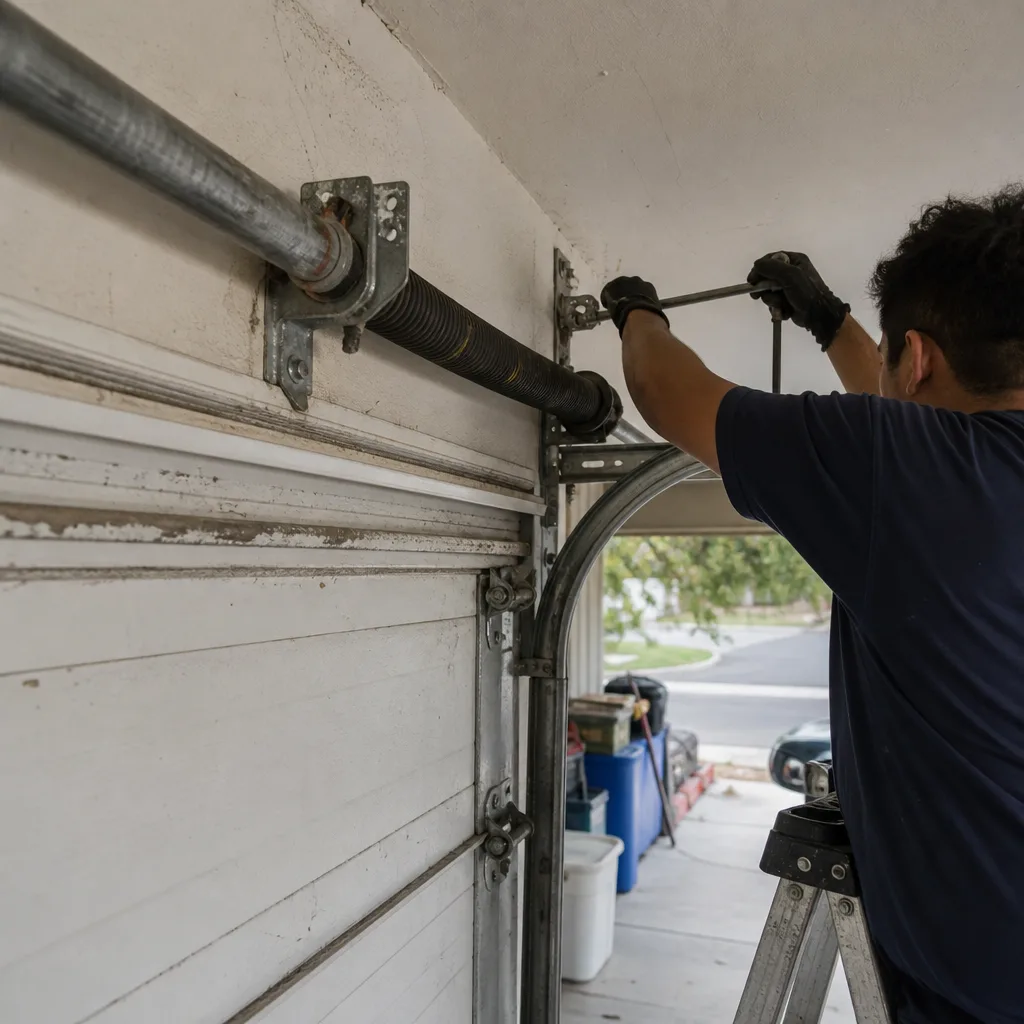 Before
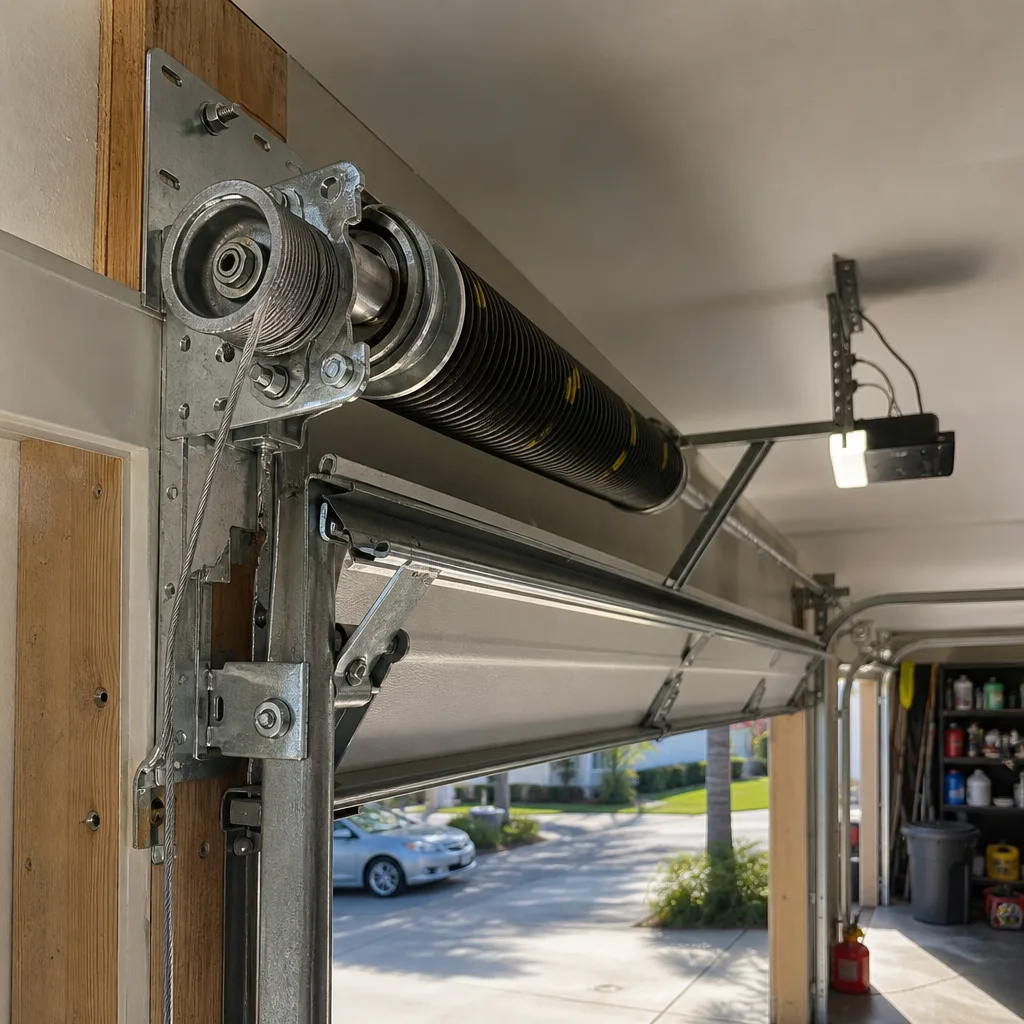 After
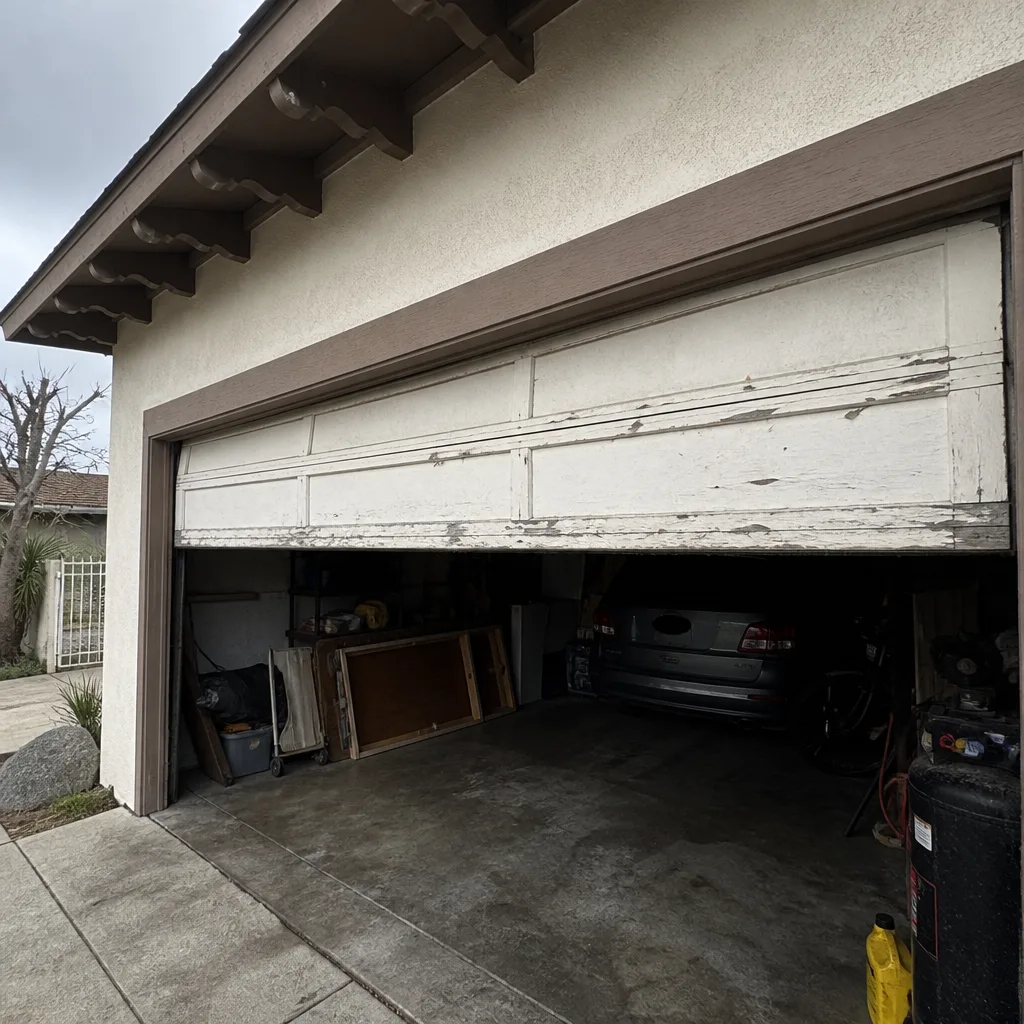 Before
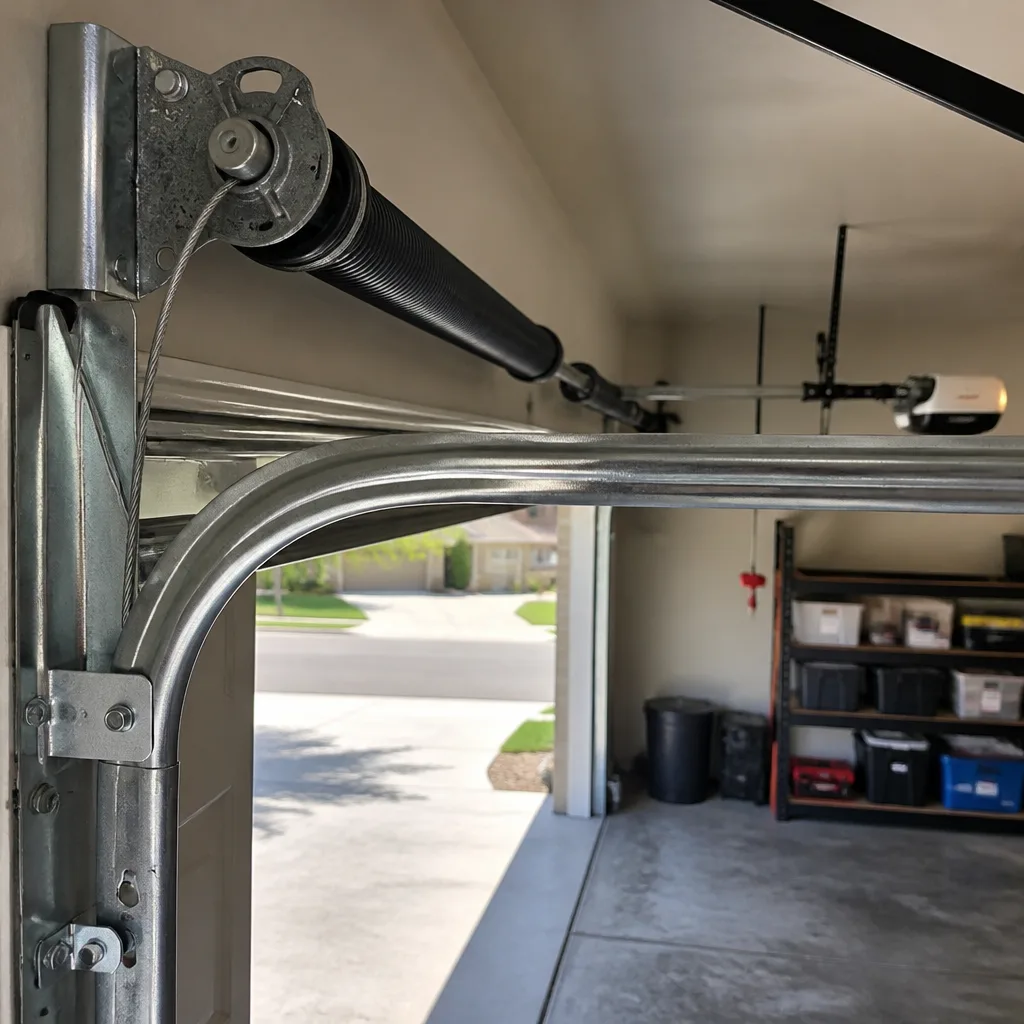 After
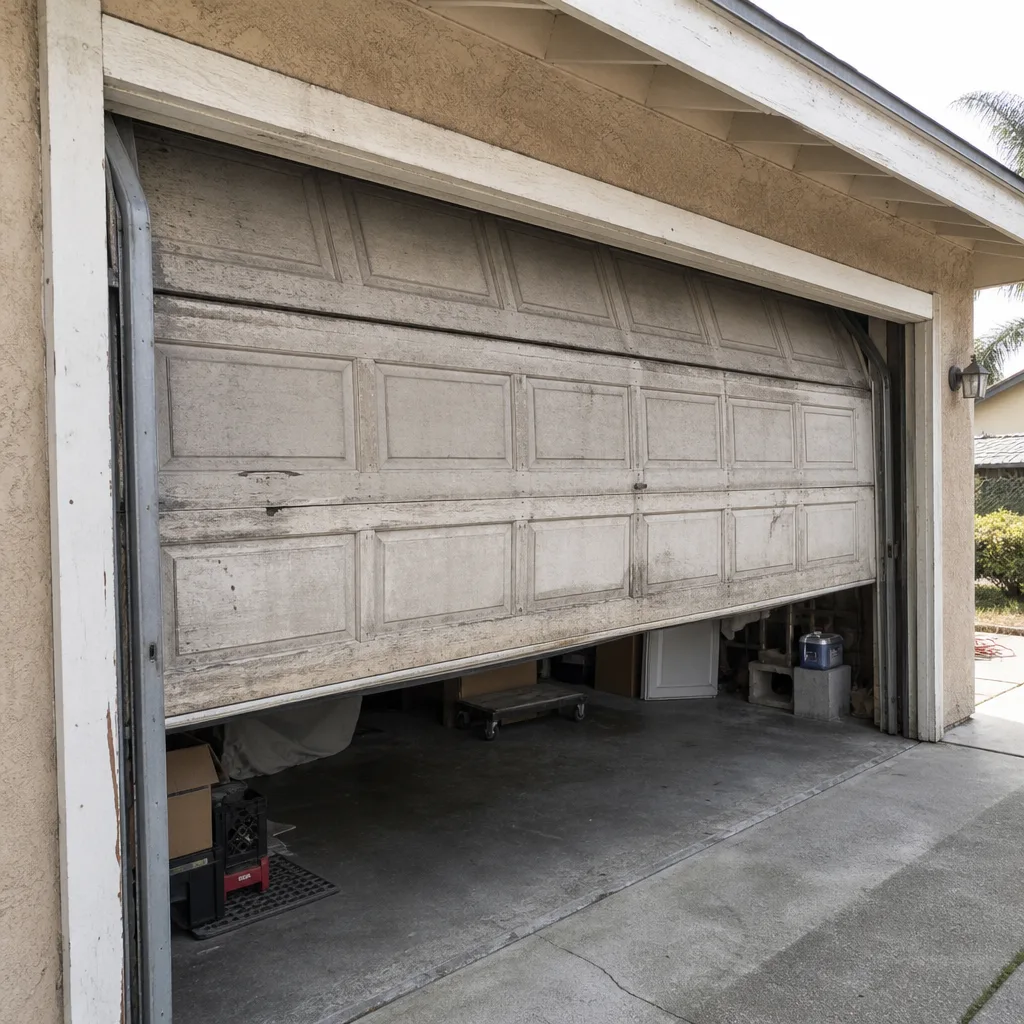 Before
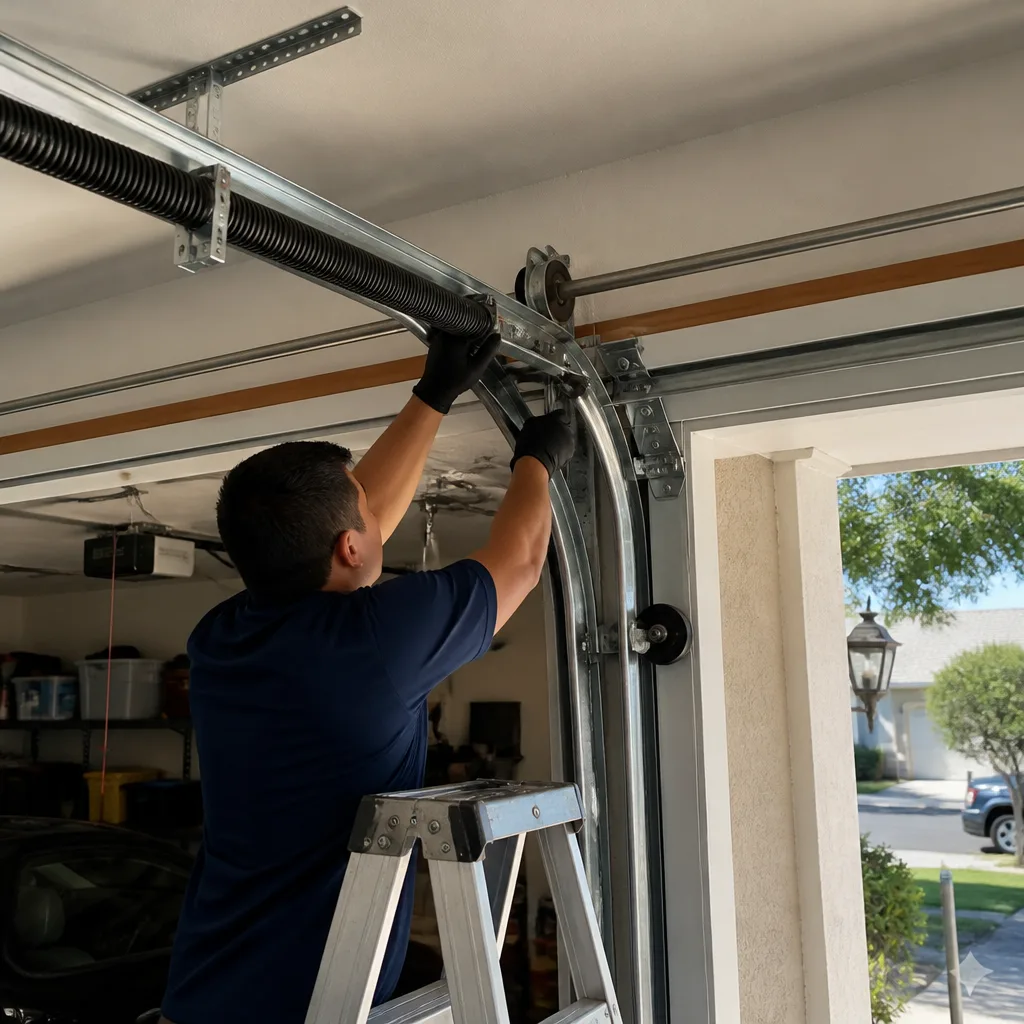 After