
Last updated October 30, 2026
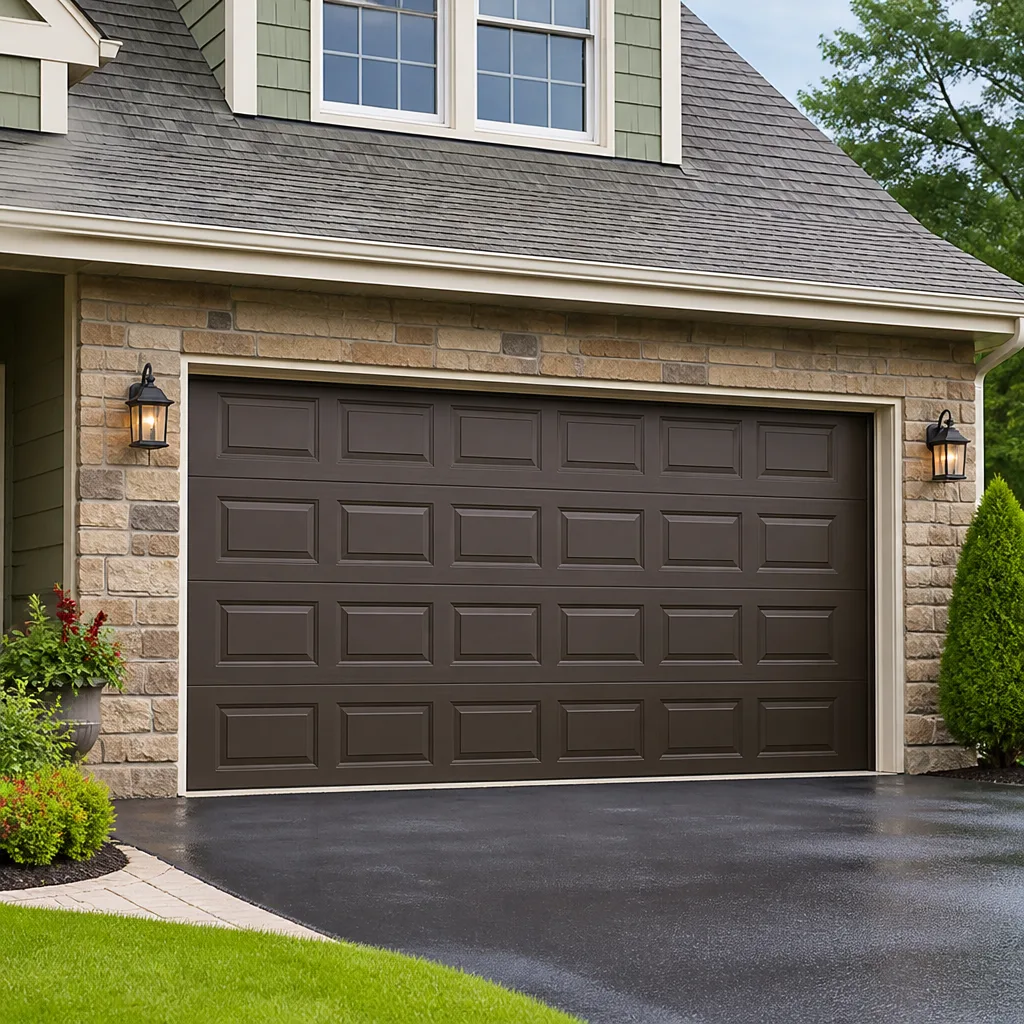 Raised-panel steel
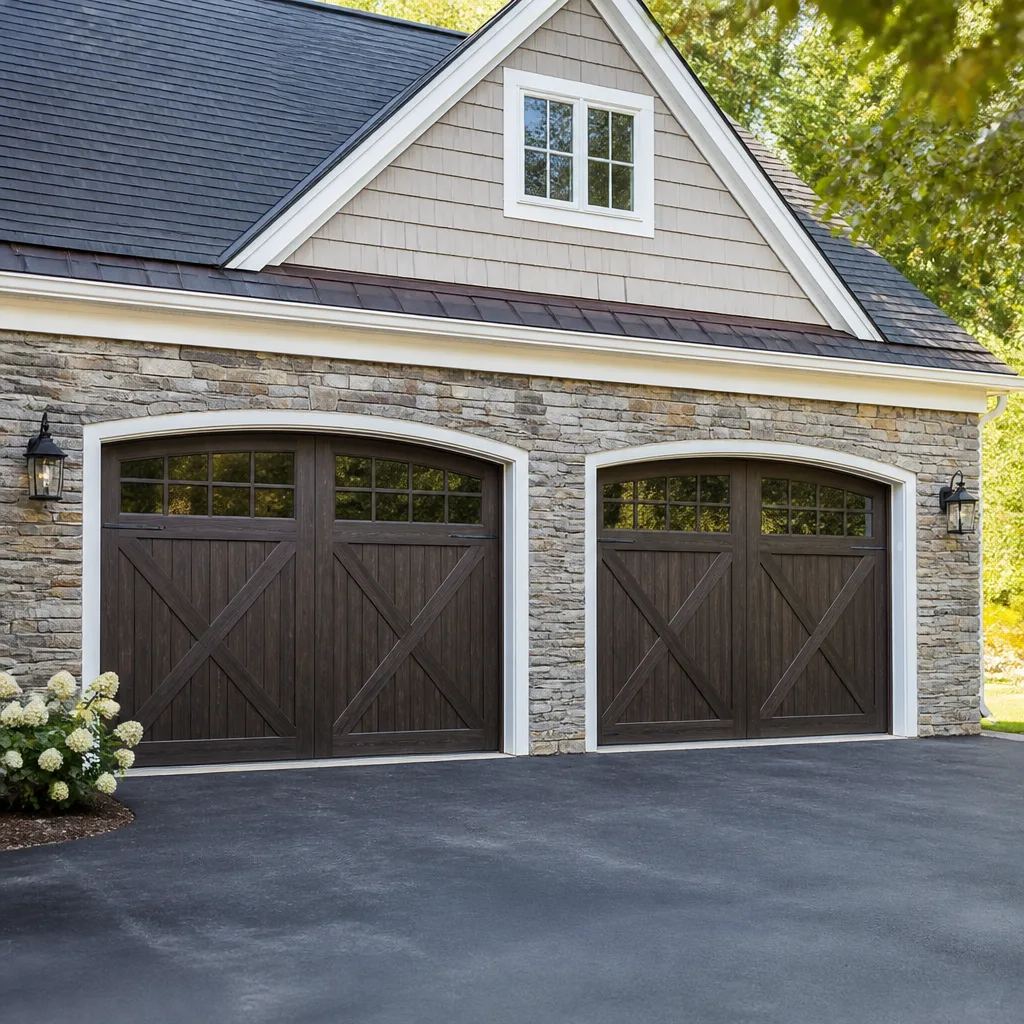 Carriage house
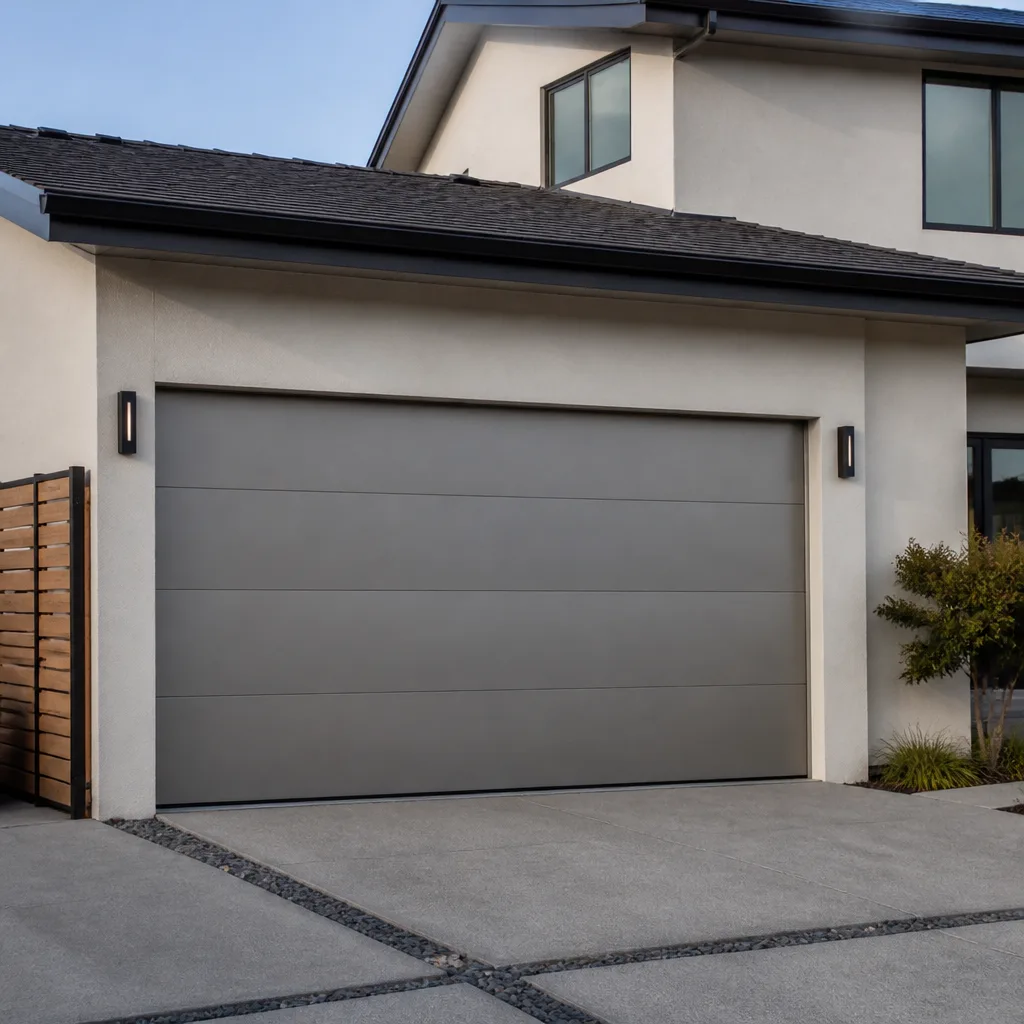 Modern flush
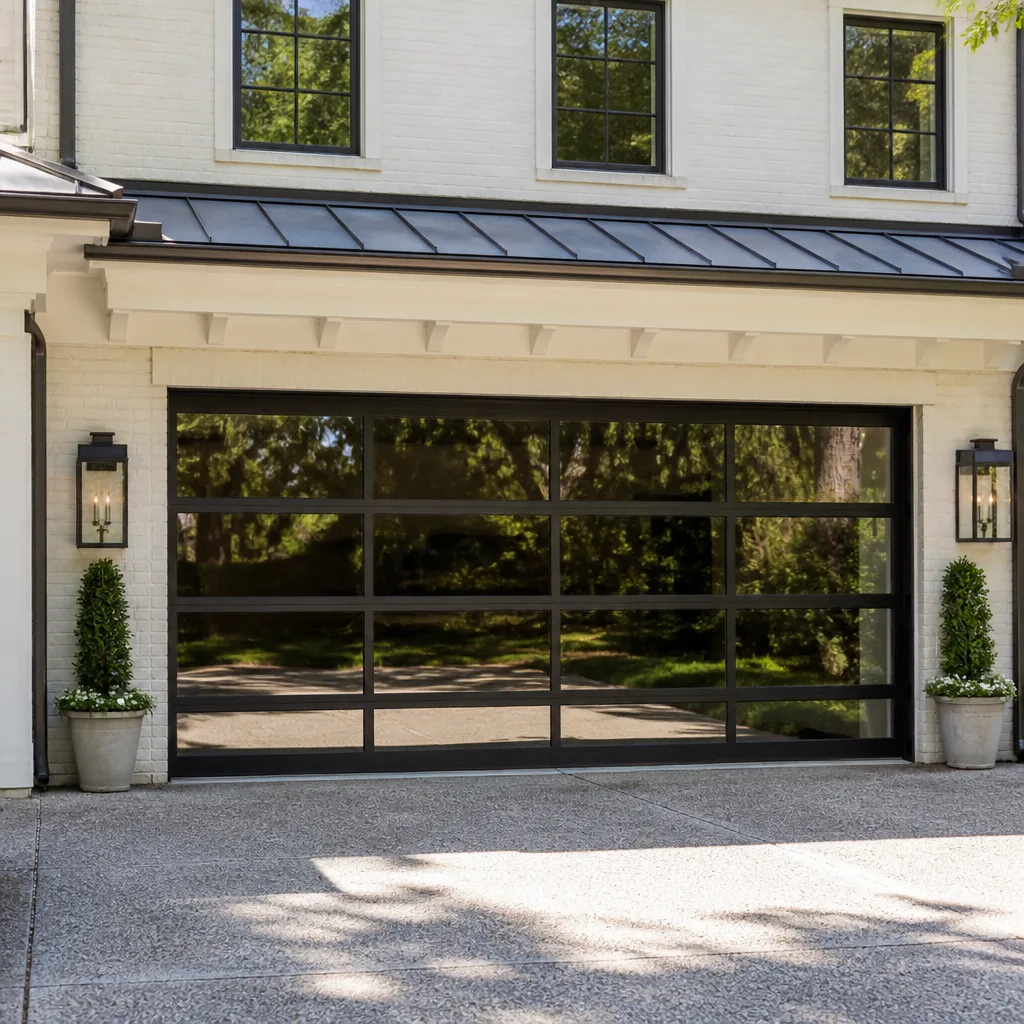 Full-view glass
 LiftMaster openers
 Chamberlain openers
Full 25-point door and opener safety check with every visit - springs, cables, rollers, tracks, and your LiftMaster or Chamberlain opener included
You get a price before we start. It does not change when the truck arrives.
Get your free estimateGarage Door Warning Signs: A Ontario Homeowner’s Reference Guide
Here’s something that surprises most Ontario homeowners: a garage door that reverses before touching the ground isn’t broken. It’s doing exactly what its safety sensors told it to do. The problem is that most people read that reversal as a glitch, hit the button again, and force the door down. That’s the wrong response, and it’s how a $40 sensor alignment turns into a $600 panel or track repair. This guide walks you through what your garage door is actually telling you when it makes noise, moves strangely, or refuses to cooperate, and complements our Seasonal Garage Door Care for Ontario: Year-Round Homeowner’s Guide. We’ll cover sounds, sights, and behaviors, plus the Ontario-specific wear patterns that national guides miss entirely.
Quick Answer
Garage door warning signs fall into three categories: sounds (grinding, popping, scraping, clicking), visible wear (frayed cables, rusted springs, cracked rollers), and opener behavior (reversal, hesitation, partial movement). Each sign narrows down to a specific component, and most are fixable for under $200 if caught early. The dangerous ones involve springs and cables, and those mean you should stop using the door and call a professional in Ontario right away—see our How to Hire a Garage Door Contractor in Ontario: A Step-by-Step Guide to know what to ask.
Styles & brands we work with
Table of Contents
- Symptom-to-Cause Reference Table: What Your Door Is Saying
- Sounds That Mean Something: Grinding, Popping, Scraping, Clicking
- Visual Warning Signs You Can Spot From the Ground
- Opener Behavior Flags: Reversal, Hesitation, Partial Movement
- Warning Signs That Mean Stop Using the Door
- Ontario-Specific Wear Patterns from Heat and Dust
- What These Repairs Cost in Ontario
- Common Mistakes to Avoid
- When to Call a Professional
- Frequently Asked Questions
Symptom-to-Cause Reference Table: What Your Door Is Saying
Most garage door problems don’t start as breakdowns. They start as small, ignorable annoyances that homeowners normalize for months. A slight squeak becomes background noise. A door that hesitates for half a second becomes “just how it opens.” By the time the door actually fails, the underlying issue has often been developing for weeks. Here’s a reference table that maps what you notice to what’s actually happening. This is the table we wish every Ontario homeowner had taped inside their garage.
| Symptom | Most Likely Cause | Urgency |
|---|---|---|
| Grinding or metal-on-metal sound | Worn rollers, dry bearings, or track misalignment | Schedule service within 2 weeks |
| Loud popping or snapping | Spring or cable failure (often torsion spring) | Stop using door immediately |
| Scraping or rubbing | Track misalignment, bent panel, or debris in track | Schedule service within 1-2 weeks |
| Clicking without movement | Opener gear failure, logic board issue, or broken spring | Stop using opener, call same day |
| Door reverses before fully closing | Safety sensor misalignment, obstruction, or limit setting | Fix within 3-5 days |
| Door hesitates or jerks while moving | Worn rollers, unbalanced door, or opener gear wear | Schedule service within 1 week |
| Door opens partially then stops | Broken spring, opener force setting, or track obstruction | Stop using door, call same day |
| Visible gaps at bottom or sides | Worn weatherstripping, bent panels, or hinge wear | Low urgency, but energy and pest issue |
| Cable looks frayed or loose | Cable fatigue, rust, or off-track pulley | Stop using door immediately |
| Door feels heavy when disengaged | Broken or weakened spring | Stop using door, call same day |
One clarification: that last symptom requires a test. With the door closed, pull the red emergency release cord. Then try lifting the door by hand. It should feel balanced and stay in place about three feet off the ground. If it feels like lifting a refrigerator or drops back down, a spring has failed or weakened. Do not try to force the door open or closed after this test. Reconnect the opener and call us.
Sounds That Mean Something: Grinding, Popping, Scraping, Clicking
Your garage door talks. Most homeowners just don’t know the vocabulary. Each sound your door makes maps to a specific problem, and learning the difference between a nuisance and a warning can save you hundreds of dollars. Here’s what to listen for during a normal open-close cycle in your Ontario garage.
Grinding: Bearings and Rollers Telling You They’re Done
Grinding is a rough, metallic sound that doesn’t go away. In most cases, it’s the roller bearings. Garage door rollers spin thousands of times per year, and the sealed bearings inside them eventually dry out and fail. Once the bearing is gone, the roller no longer spins. It slides, and the metal wheel grinds against the metal track. On a 7-foot door from Daybreak’s Ontario garage door repair service, we’ll typically see this on doors 8 to 12 years old, especially steel rollers. Nylon rollers last longer and run quieter, but they still wear. The fix is roller replacement, which is a straightforward job. Left alone, the grinding wears grooves into the track itself, and then you’re replacing rails too.
Popping: The Sound You Should Never Ignore
Popping is different from grinding. It’s sharp, sudden, and loud. In almost every case, a popping sound from a garage door means a spring is failing. Torsion springs, the ones mounted above the door opening, hold enormous tension. When individual coils snap, they release that tension suddenly, which creates the pop. Sometimes it’s a single coil. Sometimes the whole spring lets go. Either way, this is a do-not-operate situation. A door with a broken spring is dangerously unbalanced, and any attempt to open it manually can result in the door slamming shut. If you hear a pop from your garage door in Ontario, stop using the door and call Daybreak Garage Door Repair. We carry springs for every major door brand, including Amarr and Wayne Dalton, on our trucks.
Scraping: Something Is Rubbing That Shouldn’t Be
Scraping usually comes from the track area. It can be a bent track section, a roller that’s come off its axle, or a panel that’s shifted and now rubs against the frame. On doors from manufacturers like Raynor, which use specific track profiles, a loose mounting bracket can cause intermittent scraping as the door travels. Scraping is a lower-urgency issue than popping, but it should not be ignored. The longer metal scrapes against metal, the more damage accumulates. We’ve seen Ontario homeowners wait six months on a scraping sound and turn a $120 track adjustment into a $400 track replacement.
Clicking: Opener Problems Usually
Clicking is a symptom of the opener, not the door. When you press the wall button and hear a click but the door doesn’t move, the opener’s motor is receiving power but can’t transfer it to the drive system. On older belt and chain drives from garage door opener repair in Ontario, this often means the drive gear inside the motor housing has stripped. That’s a common failure on openers 10-plus years old. If you hear clicking while the door moves, it can also be the chain or belt slipping on the sprocket. Either way, continuing to hold the button down only overheats the motor. Let it rest and call us.
Visual Warning Signs You Can Spot From the Ground
You don’t need tools or a ladder to catch most garage door problems early. A monthly visual check takes about three minutes and catches issues while they’re cheap to fix. Here’s what to look for, starting with the components most likely to hurt you if they fail.
Springs: Look for Gaps and Rust
Torsion springs sit on a bar above the center of the door opening. Extension springs run alongside the horizontal tracks on older doors. Either way, what you’re looking for is a visible gap in the coil. A broken torsion spring typically shows a two to three inch separation in the coil pattern. Rust on springs is also a warning sign. Rusted springs lose structural integrity and are more likely to snap. In Ontario’s dry climate, rust is less common than in coastal areas, but garage humidity still matters. If your water heater or laundry is in the garage, that moisture accelerates spring corrosion. A rusted spring should be replaced on a schedule, not on a “wait until it breaks” basis.
Cables: Fraying Is a Red Flag
Garage door cables are braided steel, and they bear the full weight of the door every time it moves. Over years of use, individual strands start to break. What you’ll see is a fuzzy or frayed section, usually near the bottom bracket or the drum at the top. A cable with visible fraying can snap at any moment, and when it does, the door can drop suddenly and unevenly. This is not a “keep an eye on it” situation. If you see a frayed cable on your Ontario garage door, stop using the door and call for service. Cable replacement is done under tension, and it is not a DIY job.
Rollers: Cracks, Flats, and Missing Material
Rollers should be round, with no visible cracks or flat spots. Steel rollers show wear through pitting and roughness on the wheel surface. Nylon rollers show wear through cracking of the nylon casing. If a roller has split or if chunks of the wheel are missing, it’s no longer guiding the door smoothly. That puts extra strain on the opener motor and the hinges. Roller replacement is one of the most cost-effective maintenance items on a garage door. We replace single rollers, but we often recommend doing the full set at once so the door wears evenly.
Hinges and Brackets: Look for Gaps and Rust Streaks
Hinges connect each panel to the next. When a hinge is wearing, you’ll see rust streaks running down from the hinge pin, or you’ll see a gap between the hinge leaf and the panel. Loose hinges shift the panel alignment, which causes the door to bind in the track. Catching this early means tightening or replacing a hinge. Waiting means a panel that’s deformed permanently. For doors from companies like Craftsman, replacement hinges are readily available and we carry them in stock for most models, as covered in our Choosing the Right Garage Door Brand: A Buyer’s Guide for Ontario.
Bottom Seal: Gaps and Cracking
The bottom seal is the rubber strip along the bottom edge of the door. Its job is to keep water, dust, and pests out. In Ontario’s hot, dry summers, the rubber dries out, cracks, and eventually crumbles. A cracked bottom seal shows daylight under the door and lets dust and critters into the garage. It’s a $70 fix that prevents a lot of annoyance. We replace bottom seals on every major door brand, including Raynor and Wayne Dalton models where the seal profile is door-specific.
Opener Behavior Flags: Reversal, Hesitation, Partial Movement
Your opener’s behavior is a diagnostic tool. Most homeowners don’t think about it that way, but the way your door moves tells you more than any visual inspection. Here’s how to read the three most common opener behavior flags.
Reversal Before Fully Closing
A door that reverses before hitting the ground is responding to input from its safety sensors. Those sensors sit near the bottom of the door on each side, and they project an invisible beam across the opening. If anything breaks that beam, the door reverses. This is safety programming doing exactly what it should. The problem comes when the sensors are misaligned or dirty, in which case the door reverses inconsistently. If your door reverses sometimes but not others, clean the sensor lenses with a dry cloth and make sure the brackets haven’t been bumped. If the problem persists, the issue may be in the sensor wiring or the opener’s force settings. The wrong response is holding the wall button down to force the door closed, which overrides the safety system and can damage panels or injure someone.
Hesitation or Jerky Movement
A door that jerks while moving, or hesitates halfway through its cycle, is usually fighting resistance. That resistance comes from one of three places: worn rollers, a dry track, or an unbalanced door. An unbalanced door happens when a spring has weakened. The opener is then doing work the spring should be doing. Over time, that burns out the opener motor and the drive gear. In our experience in Ontario, hesitation on a door that’s eight years old or older usually points to spring fatigue. Hesitation on a newer door usually points to roller or track issues.
Partial Movement Then Stop
This is the most serious opener behavior flag. A door that opens six inches and stops is telling you something has exceeded the opener’s force threshold. That could mean a broken spring, a derailed roller, or a track obstruction. It could also mean the opener’s force settings have drifted out of adjustment. On openers from LiftMaster and Chamberlain, error codes sometimes flash on the motor unit after a partial movement event. That code narrows down the problem. Genie openers use a different code system. Craftsman openers use a diagnostic LED. The point is that your opener is protecting itself from damage. Don’t bypass that protection. Call a professional who can read the code and fix the underlying issue rather than resetting the opener and hoping.
Warning Signs That Mean Stop Using the Door
Some warning signs mean “schedule service this week.” Others mean “do not operate this door again until a professional has looked at it.” Here’s how to tell the difference, because mixing them up turns a repair into a replacement.
Stop Using the Door Immediately If You Notice:
- A broken or visibly gaping torsion spring. The door’s entire weight is now unsupported. Any attempt to open the door manually can cause it to slam shut.
- A frayed or snapped cable. Even if the door still moves, the remaining cables are carrying abnormal load. A sudden drop is possible.
- A door that comes off its tracks. Operating it will bend the tracks further and can pull the door completely off the wall.
- A popping sound during operation. As covered above, this means spring failure has already begun.
- A door that drops quickly when you release the manual disconnect. This is the classic broken spring test result. Do not try to catch the door.
These conditions involve components under high tension. A garage door spring under load can release enough force to cause serious injury. If you see any of these signs on your Ontario garage door, leave the door as-is, keep children and pets away from the door area, and call us at (877) 588-6760. We’ll send someone who knows how to safely secure the door before any work begins.
Schedule Service Within the Week If You Notice:
- Squeaking or grinding sounds during operation
- A slight hesitation when the door starts moving
- Visible rust on springs or hardware
- Sunlight peeking under the door when it’s closed
- Loose hinges or bolts that need periodic tightening
The “schedule this week” category is where most Ontario homeowners save real money. These are the problems that become major breakdowns when ignored for three to six months.
Ontario-Specific Wear Patterns from Heat and Dust
National garage door guides miss a lot about Ontario. Our climate is different from the coast, different from the Midwest, and different from the desert cities that get most of the attention in garage door content. Here’s what actually happens to garage doors in Ontario, California specifically.
Dust and Track Contamination
Ontario sits in the Inland Empire, where the air is dry and dust is constant. Santa Ana winds push fine particulate into every gap. For garage door tracks, that dust mixes with the lubricant on rollers and hinges, creating a gritty paste that accelerates wear. A track that would last 15 years in a coastal climate might show significant wear in 10 here. The practical takeaway is that Ontario garage doors need track cleaning more often than the national average. When we clean tracks on a service call, we remove the dirt, wipe down the rails, and apply a dry lubricant that doesn’t attract more dust.
Heat Fatigue on Springs and Rubber
Ontario regularly hits triple-digit temperatures in summer. Garage interiors get hotter than outside, sometimes 110 degrees or more. That heat has two effects. On steel springs, repeated heat cycles contribute to metal fatigue at the molecular level, shortening spring life. On rubber components like bottom seals and weatherstripping, the heat dries out the material and accelerates cracking. A bottom seal that would last five years in a mild climate often needs replacement in three in Ontario. If your garage faces south or west and gets direct sun on the door itself, expect rubber components to degrade faster.
Panel Expansion and Alignment
Steel and aluminum panels expand in heat. On a 16-foot door, the total thermal expansion across a hot Ontario afternoon can be a quarter inch or more. That’s normally within tolerance, but on doors with tight track clearances, expansion causes binding in the afternoon that disappears overnight. If your door only scrapes or sticks when it’s hot, thermal expansion is the likely culprit. For doors from manufacturers like Amarr and Wayne Dalton, which use specific panel profiles, a small track adjustment during installation accounts for this. We make those adjustments based on local climate, not on a national template.
What These Repairs Cost in Ontario
Ontario pricing for garage door work varies by the part, the door brand, and the urgency of the call. Here’s what current market rates look like for the common warning-sign repairs covered in this guide. These are the prices you can expect from a licensed, insured contractor in the Ontario area.
| Repair | Typical Range in Ontario | Time on Site |
|---|---|---|
| Roller replacement (full set) | $120 – $180 | 45-60 minutes |
| Sensor alignment or replacement | $85 – $150 | 30 minutes |
| Track adjustment or realignment | $100 – $200 | 45-90 minutes |
| Bottom seal replacement | $70 – $120 | 30 minutes |
| Spring replacement (pair) | $280 – $380 | 60-90 minutes |
| Cable replacement (pair) | $160 – $220 | 60 minutes |
| Opener gear replacement | $140 – $220 | 60 minutes |
| Hinge replacement (per hinge) | $40 – $75 | 15-20 minutes |
Two things to know about these numbers. First, the prices reflect parts and labor for a typical double garage door, and your specific door may be different. Second, the price you’re quoted before the work starts is the price you’ll pay. No one from Daybreak Garage Door Repair starts a job without a written quote, and the total won’t change unless you approve additional work after we’ve opened up the door and found something unexpected. For door and opener brands like Raynor and Craftsman, parts are ordered by model number so the fix matches what’s already installed. If you’re considering a full replacement instead of a repair, our garage door installation service in Ontario includes a free in-home measure and written price before any commitment.
Common Mistakes to Avoid
Most of the expensive repairs we see in Ontario are the direct result of a homeowner trying to solve a warning sign the wrong way. Here are the most common mistakes, in no particular order of cost but in approximate order of frequency.
- Forcing the door through a reversal. Holding the wall button down or locking the door closed when the safety system wants it open doesn’t fix anything. It bypasses a system that’s protecting your panels, your track, and your family.
- Lubricating the wrong parts. Not everything on a garage door should be lubricated. Spraying grease into tracks doesn’t help; it attracts dust in Ontario’s dry climate and creates the grinding paste we described earlier. The right lube goes on rollers, hinges, and spring coils, and it should be a dry or silicone-based product.
- Replacing one spring when the other is equally old. Torsion springs wear at nearly the same rate. If one breaks, the other is usually close behind. Replacing only the broken one means paying for labor twice within a year or two.
- Ignoring a squeak until it becomes a grind. A squeak is early-stage wear. It’s the cheapest possible time to address an issue. Waiting until the squeak turns into grinding often means the difference between replacing a roller and replacing a track.
- Adjusting the opener force settings to compensate for a heavy door. If a door is heavy because a spring is weak, cranking up the opener force doesn’t fix the spring. It overworks the opener and eventually strips the drive gear, adding a $200 opener repair to what should have been a spring replacement.
- Doing DIY work on springs and cables. These are the two most dangerous components on your garage door. Spring and cable replacement requires specialized tools and specific tensioning knowledge. Every year, homeowners are seriously injured by garage door springs. This is not the project to learn on.
- Ignoring visible rust on components. Rust on springs, cables, or hardware isn’t cosmetic. It’s structural. A rusted spring is a spring that’s lost material and will break sooner. In Ontario’s climate, garage humidity from water heaters and washers is a real factor, so rust can appear even on “newer” doors.
When to Call a Professional
If you’ve made it this far and recognized one of your door’s warning signs, the next step is usually a service call. Here’s the simplest decision framework we can give you. If the issue involves springs or cables, call a professional before using the door again. If the issue involves opener electronics and the door won’t move reliably, call a professional before you damage the motor. If the issue is a noise, a visual wear item, or inconsistent movement, call a professional within the week and avoid a bigger bill in the month. We’re set up for exactly this kind of triage. Daybreak Garage Door Repair offers free estimates in Ontario. Call (877) 588-6760 when you want someone who knows your brand and can tell you honestly what needs fixing now, what can wait, and what it will cost before any work begins.
Frequently Asked Questions
Most noise-related garage door repairs in Ontario run between $120 and $200, depending on the cause. A full roller replacement is at the lower end, while a track adjustment that requires realignment is at the higher end. If the noise is caused by a broken spring, the cost is $280 to $380 for a pair. Call (877) 588-6760 and we’ll give you a firm quote before any work starts.
Yes, for repair calls in Ontario we aim for same-day or next-day service. Broken springs, snapped cables, and doors that won’t close are our priority. When you call (877) 588-6760, we’ll tell you when we can be there and what to expect before the technician arrives.
No. The price you’re quoted before the work starts is the price you pay. We write the quote after diagnosing the door, not before, so there are no surprise additions. If we find something unexpected during the repair, we stop and explain it before doing any additional work.
Yes. Our trucks are stocked with parts for the brands we service most in Ontario, including Amarr, Wayne Dalton, Craftsman, and Raynor doors, plus LiftMaster, Chamberlain, Genie, and Craftsman openers. For most common repairs, the part is on hand and the fix happens on the first visit.
Heat expansion is the usual cause. In Ontario’s summer temperatures, steel panels and tracks expand enough to bind slightly on doors with tight clearances. The noise disappears when the door cools. It’s a sign that the door needs a minor track adjustment so the expansion is absorbed without contact.
Standard torsion springs are rated for 10,000 cycles, which translates to roughly 7 to 10 years for the average Ontario homeowner. Heavy daily use, which is common when the garage is the main entry point, shortens that. Heat and humidity inside the garage also contribute to earlier fatigue. If your springs are over 8 years old and you notice uneven movement or increased noise, a spring inspection is worth the time.
The Bottom Line
Your garage door gives you clear, consistent signals before it fails. The grinding roller, the fraying cable, the hesitant opener, the reversing door – every one of those warnings is a chance to fix a small problem before it becomes a big one. Ontario’s heat and dust make some of these issues appear sooner than they would elsewhere, which means a watchful eye and a quick service call pay off even more here. Learn the sounds, check the visual wear points monthly, and respect the signs that say stop. When you’re ready to act, Daybreak Garage Door Repair in Ontario is one call away at (877) 588-6760, and we’ll quote the fix before we start it.
Written by the team at Daybreak Garage Door Repair, serving Ontario since 2011.
See the difference
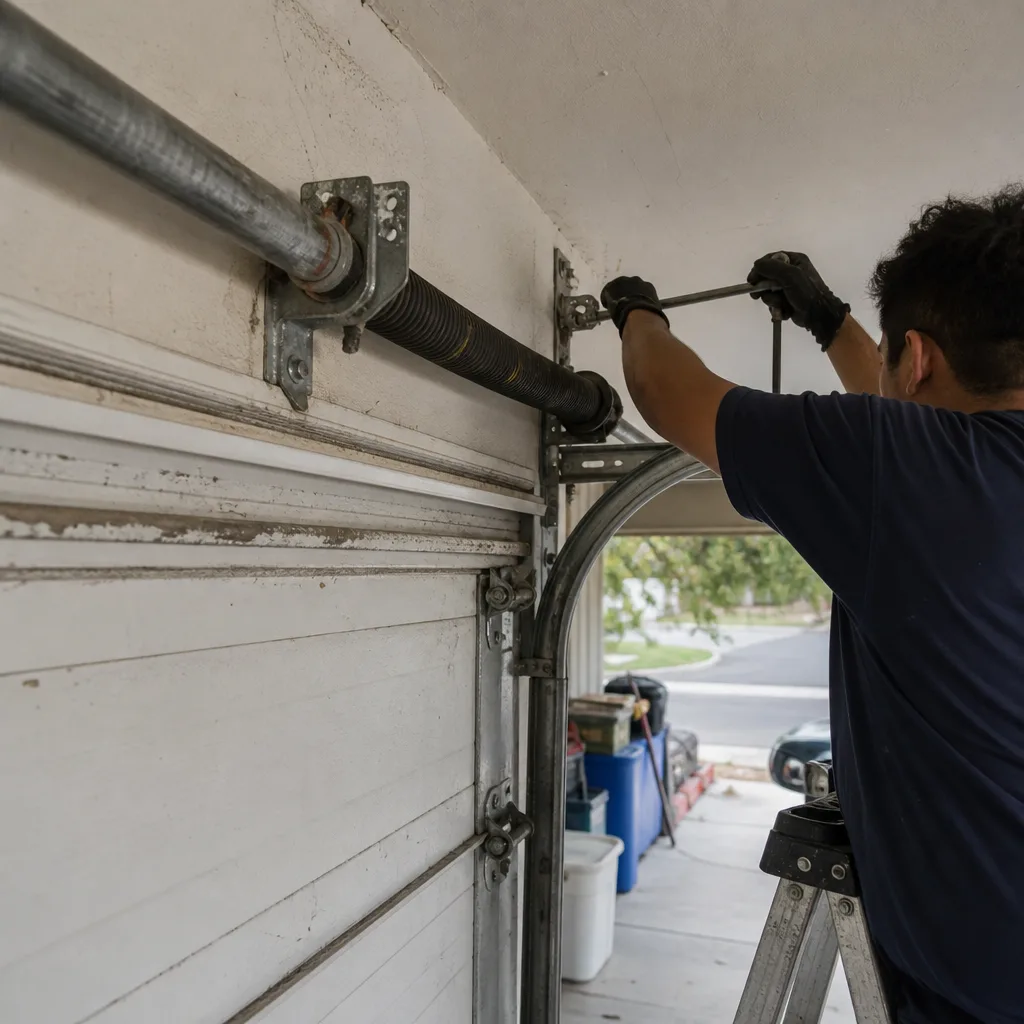 Before
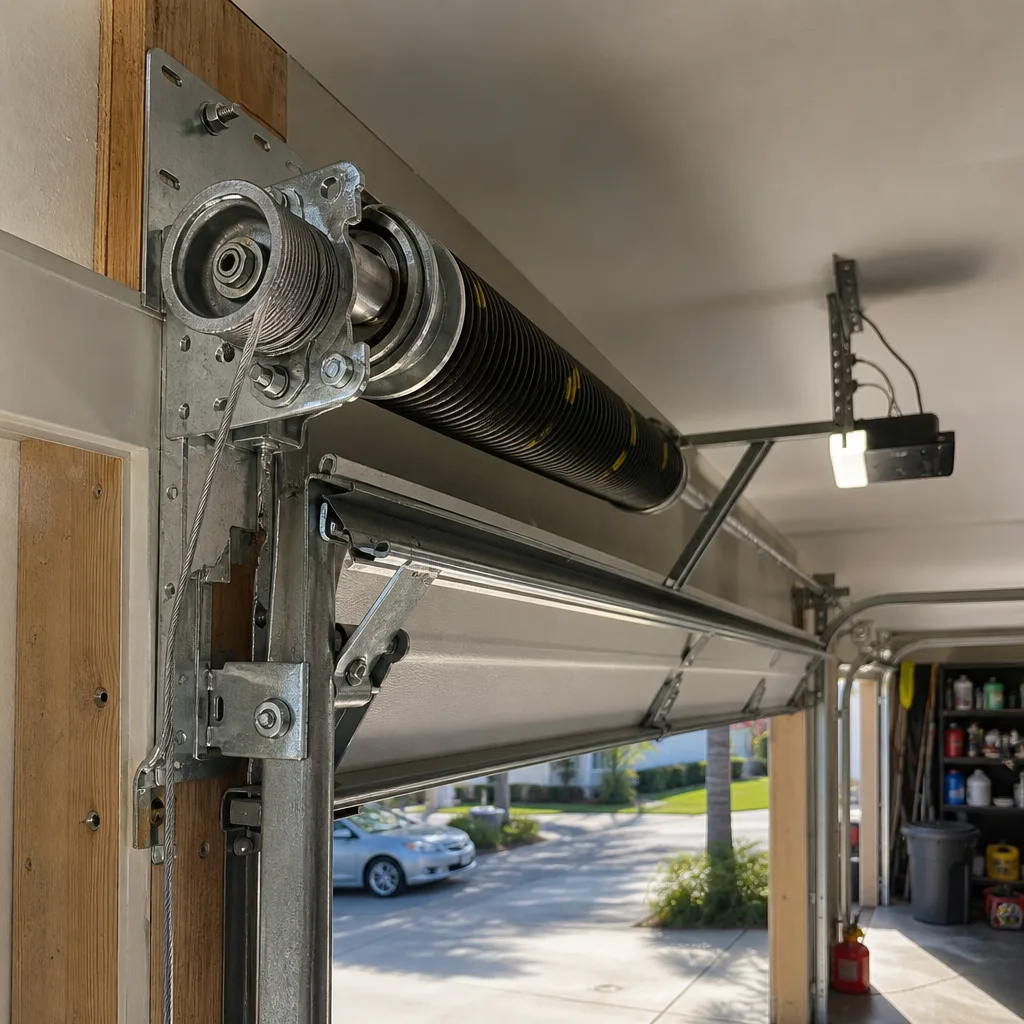 After
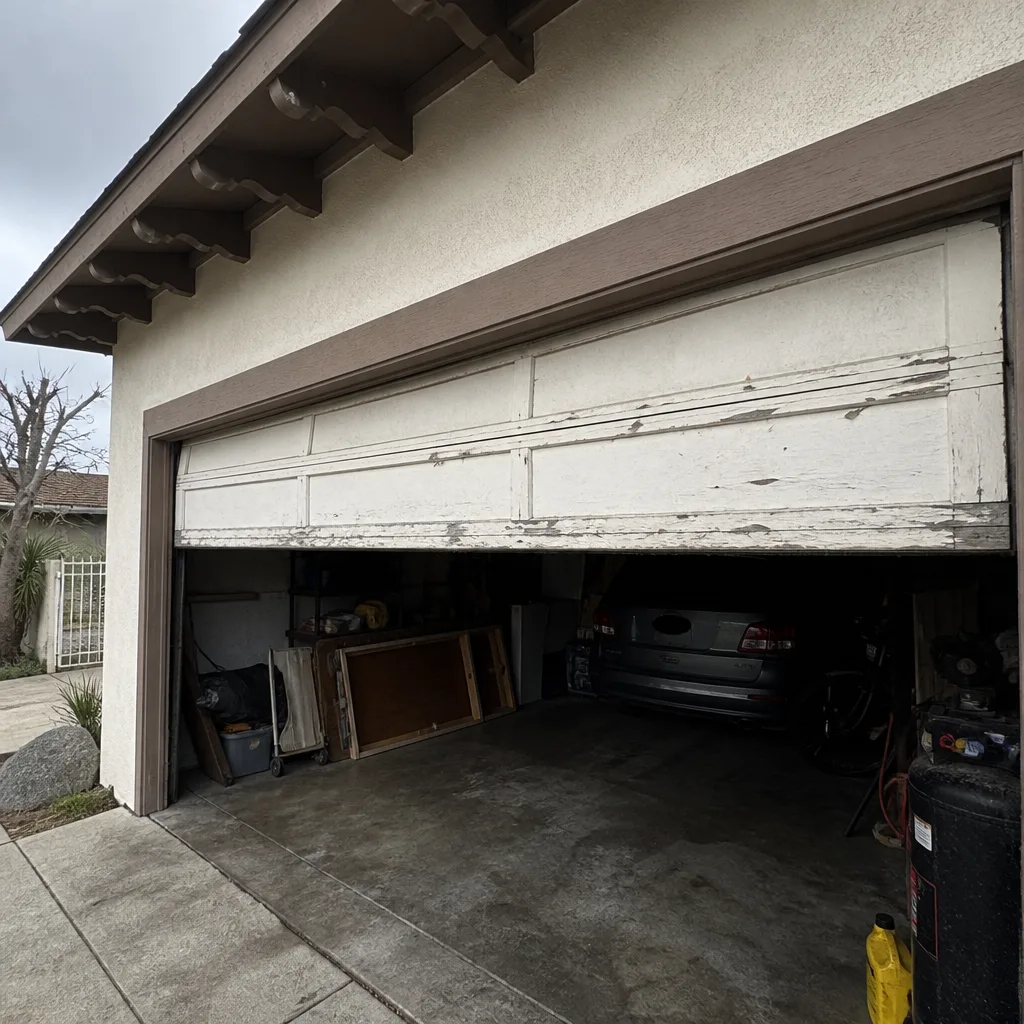 Before
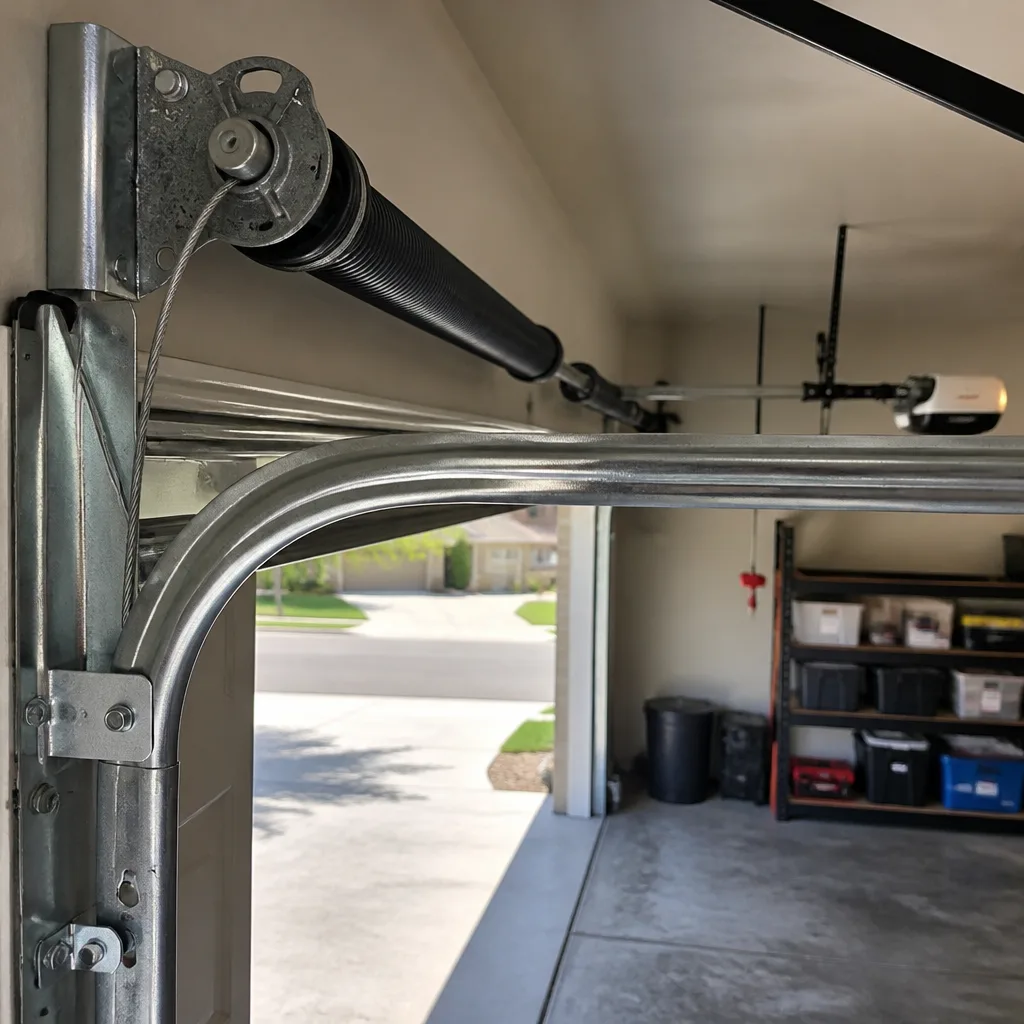 After
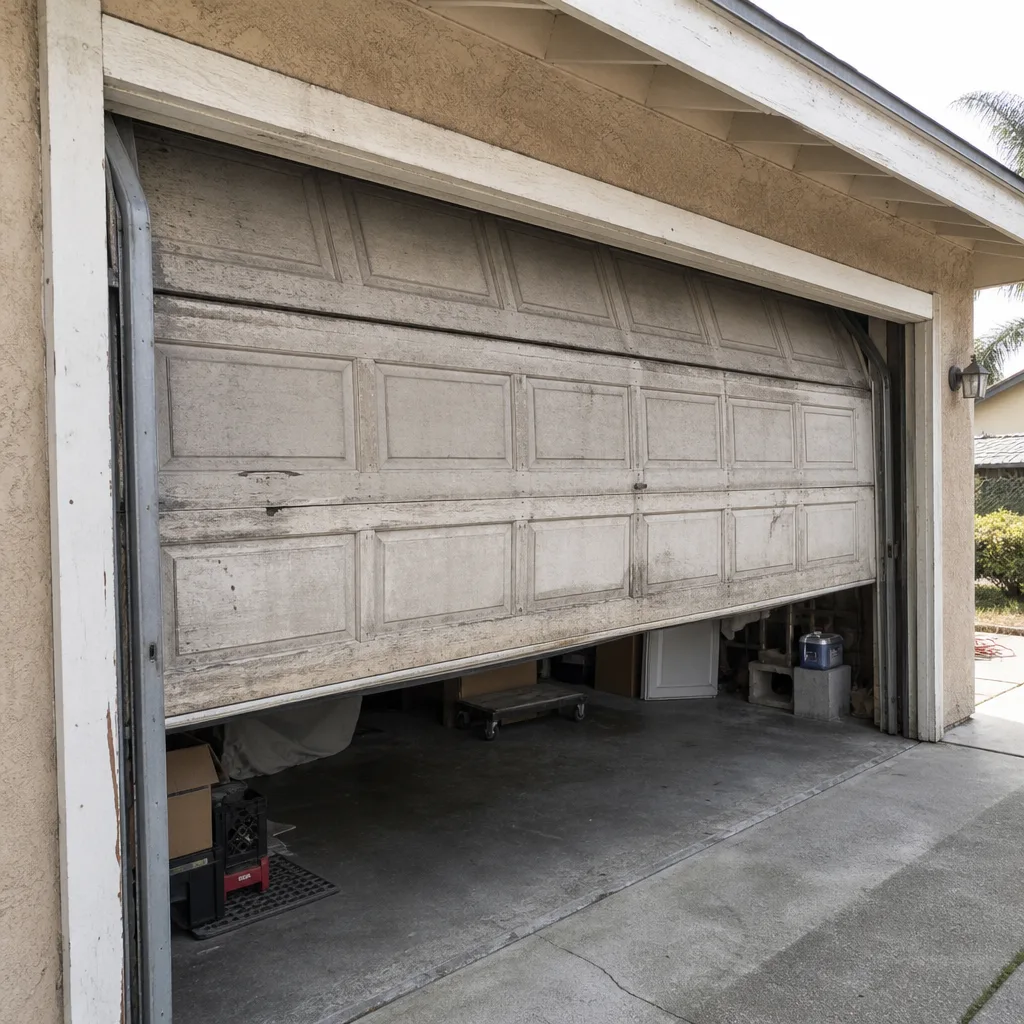 Before
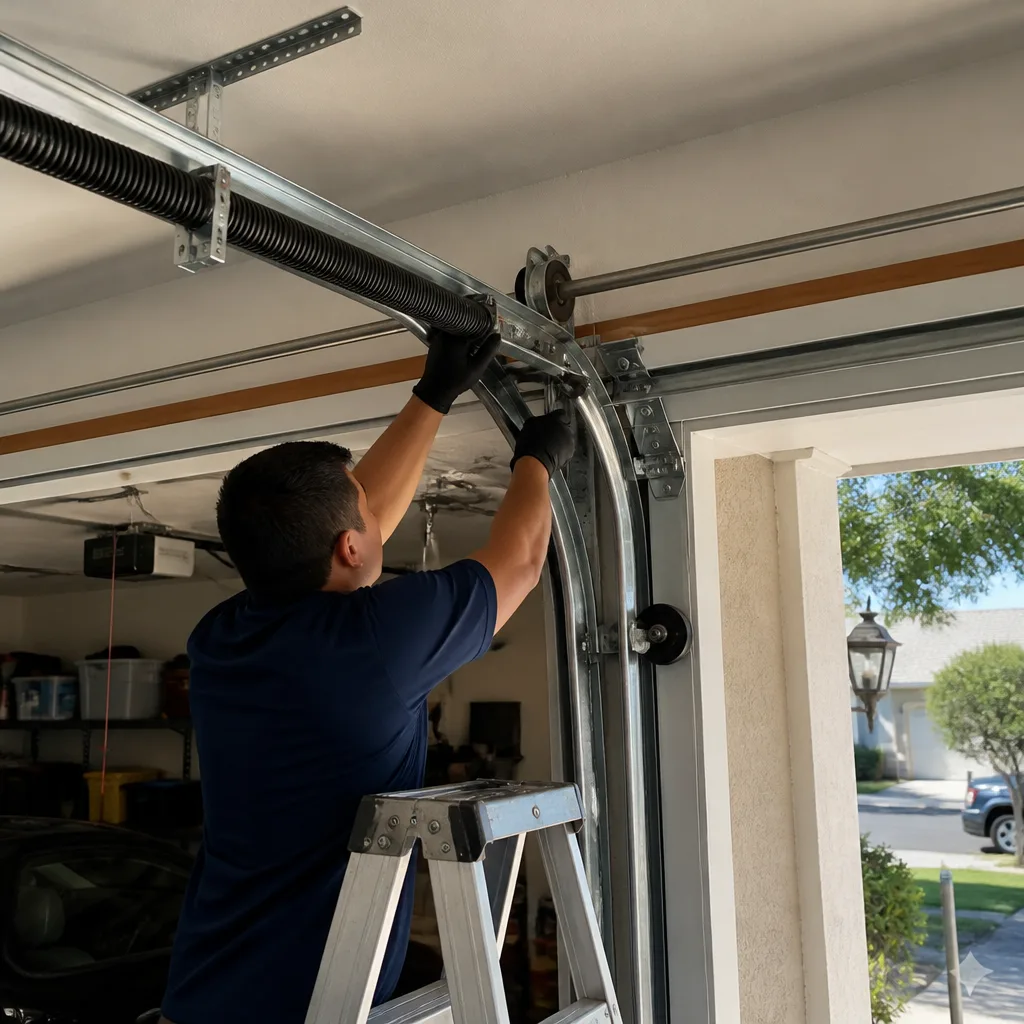 After