Last updated October 30, 2026
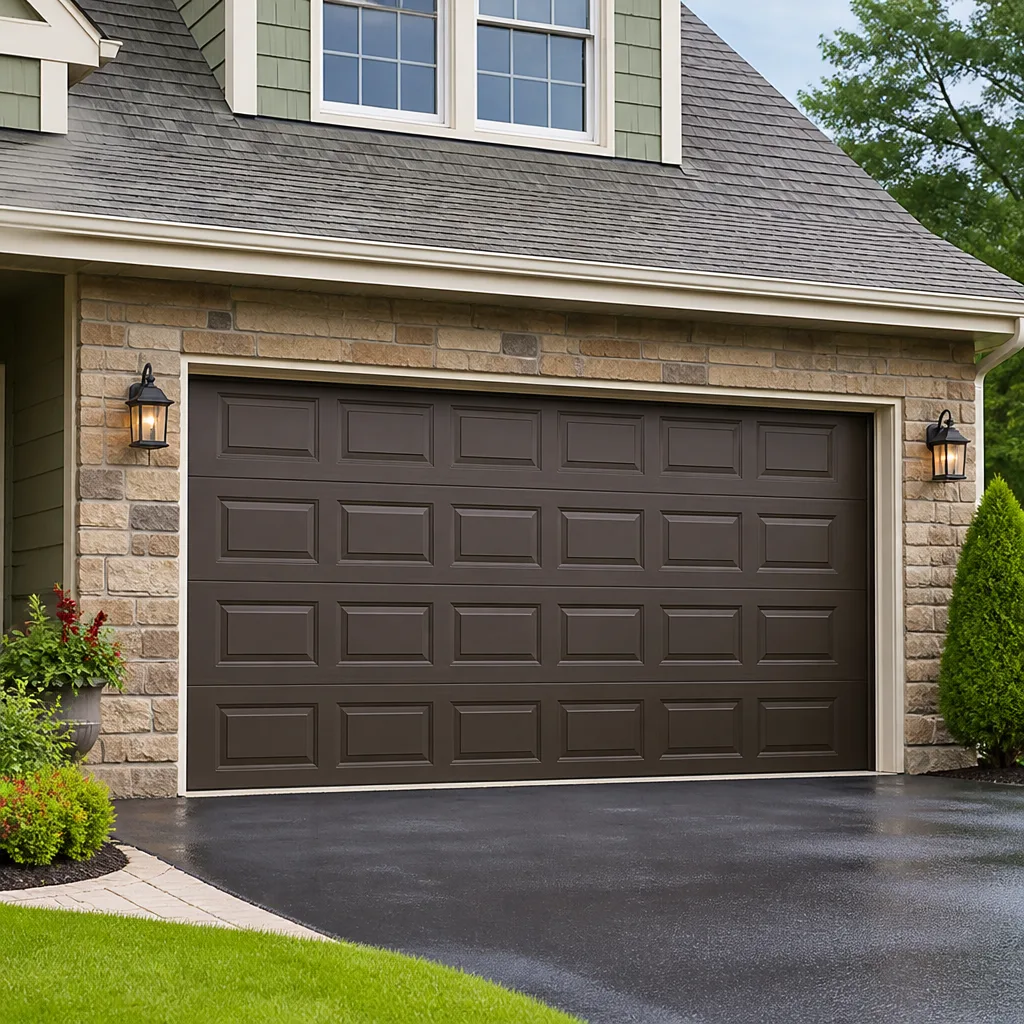 Raised-panel steel
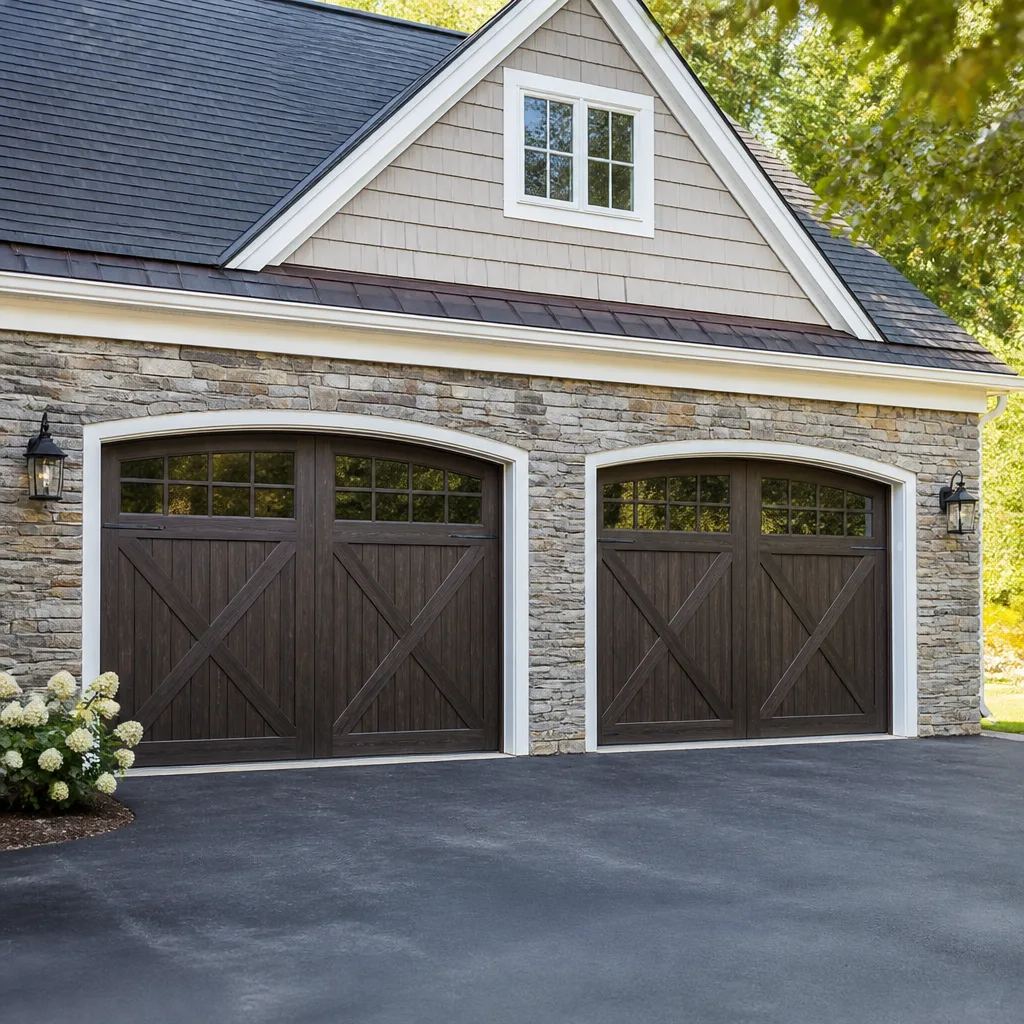 Carriage house
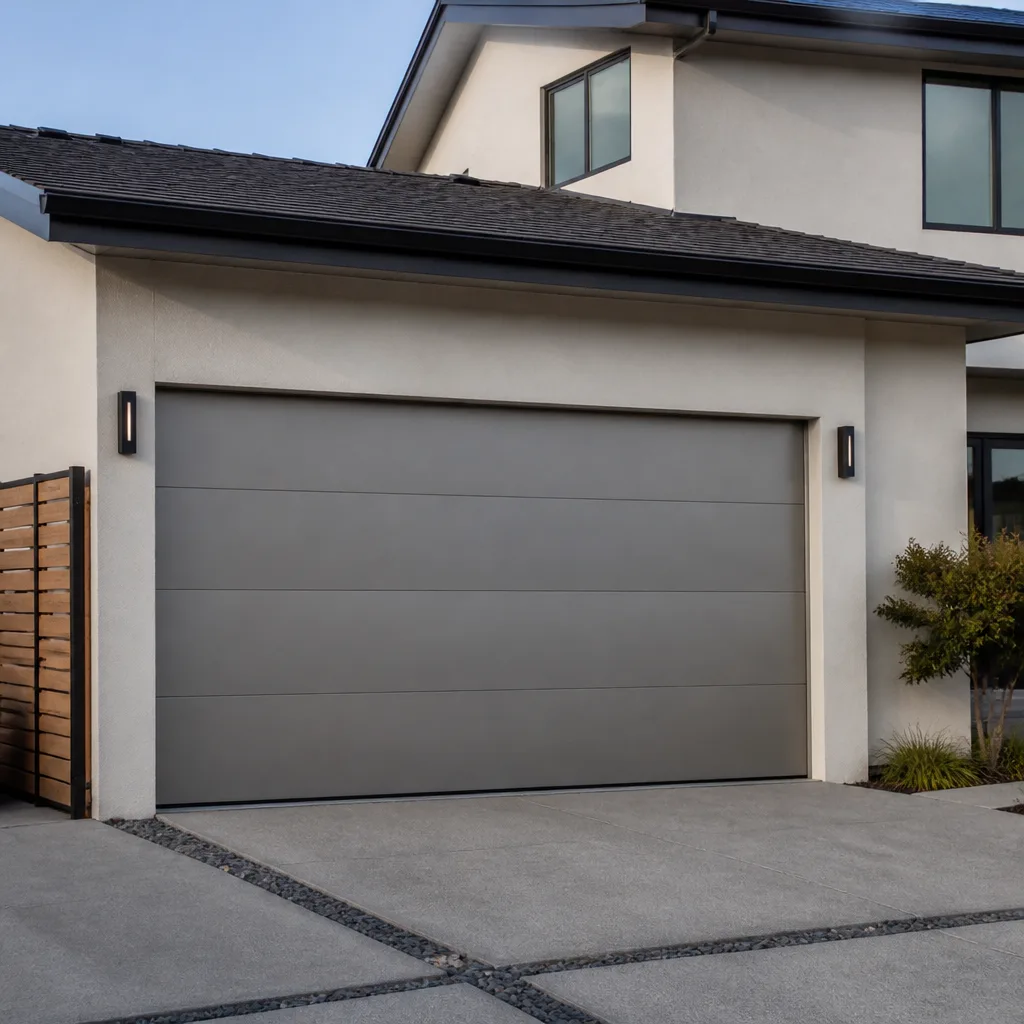 Modern flush
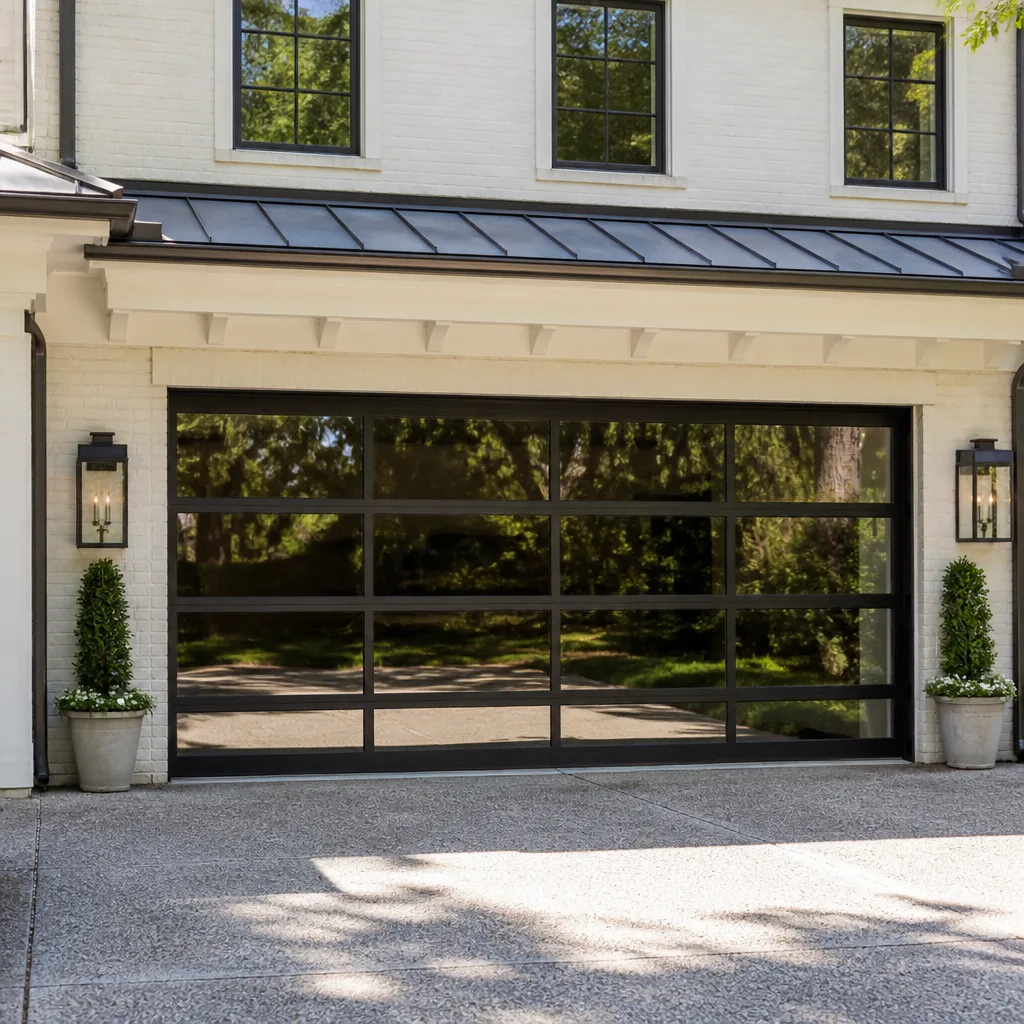 Full-view glass
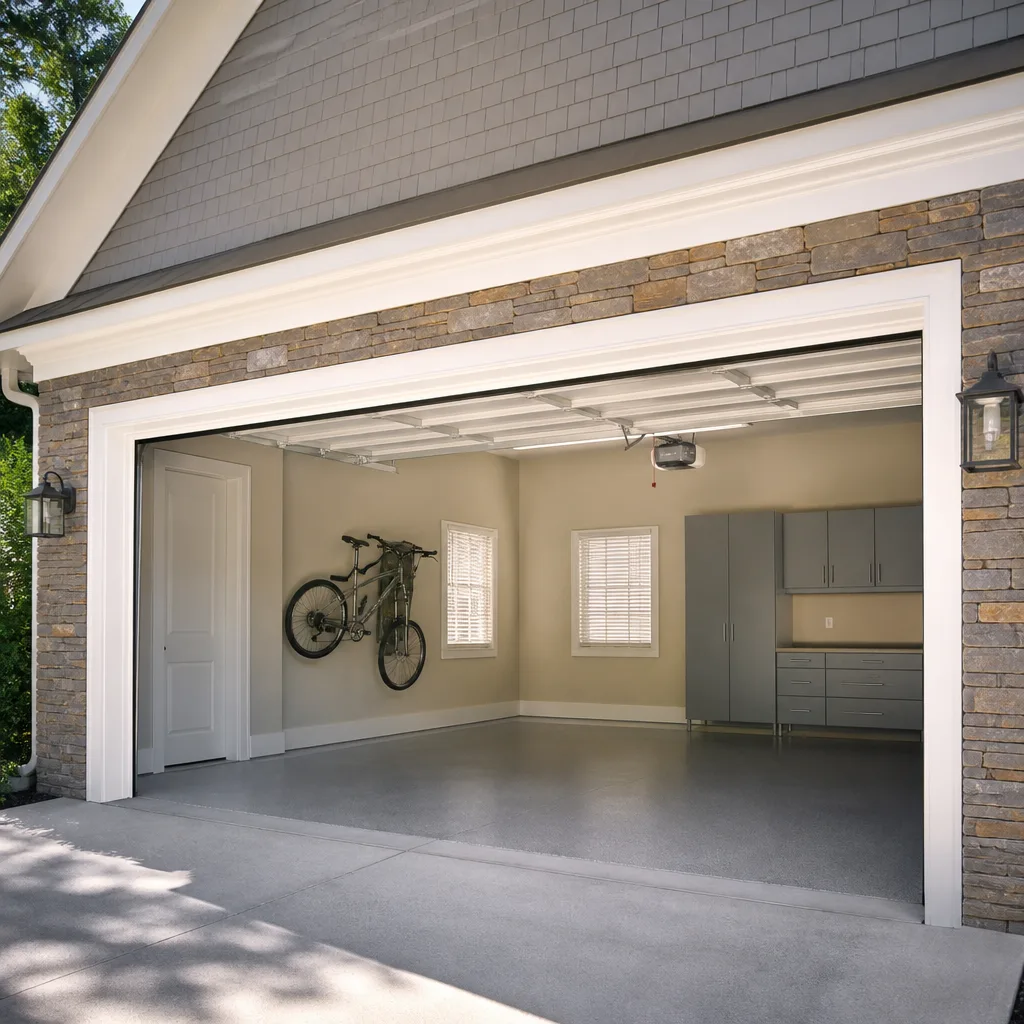 LiftMaster openers
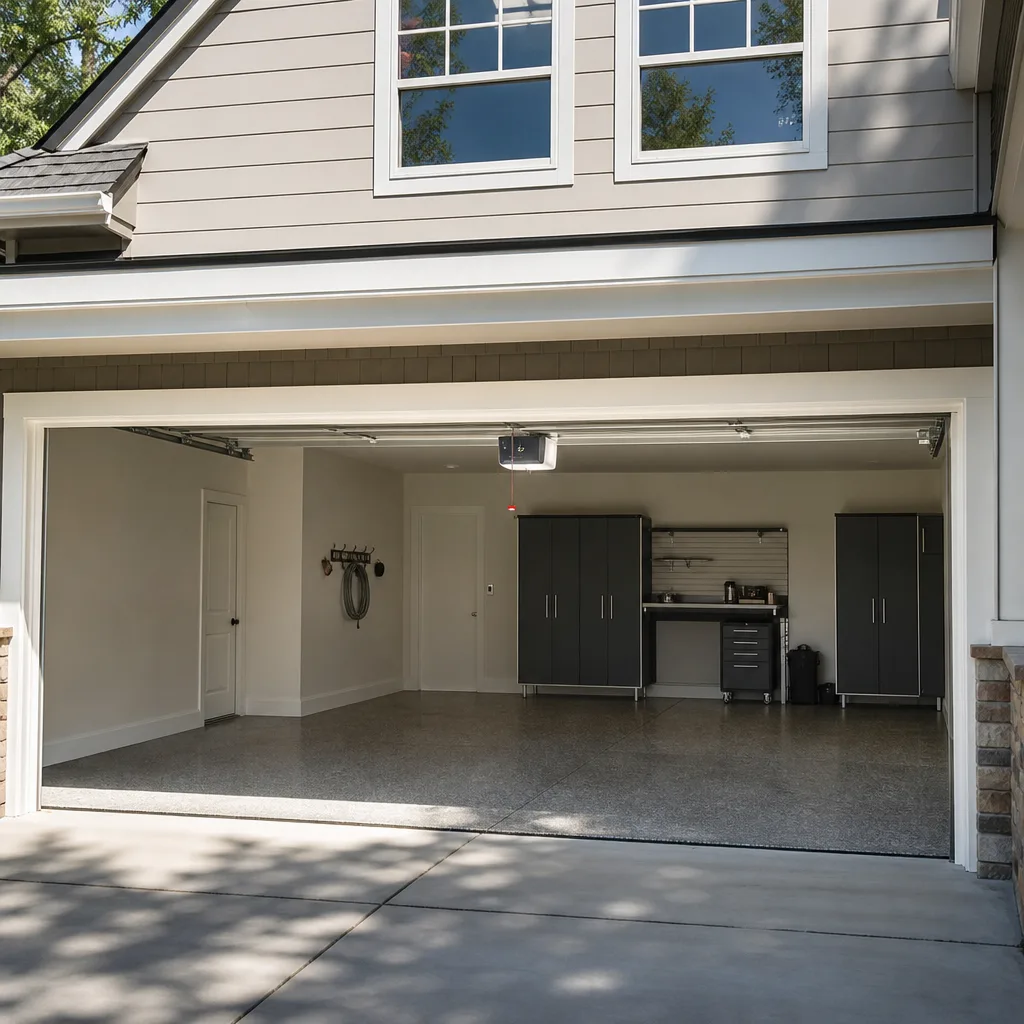 Chamberlain openers
Full 25-point door and opener safety check with every visit - springs, cables, rollers, tracks, and your LiftMaster or Chamberlain opener included
You get a price before we start. It does not change when the truck arrives.
Get your free estimateChoosing the Right Garage Door Brand: A Buyer’s Guide for Ontario
The most popular garage door brand in a national survey and the best garage door brand for Ontario, CA are not the same thing. Regional climate and parts availability change the calculus entirely. A door that earns rave reviews in Michigan or Minnesota may fade, warp, or seize up after three summers in the Inland Empire. This guide walks through what actually matters when choosing a garage door brand in Ontario: which manufacturers build hardware that survives sustained high heat, which brands have local parts support in San Bernardino County, and what “limited lifetime warranty” really means when you file a claim in California. For a deeper dive, see The Complete Garage Door Repair Guide for Ontario Homeowners. By the end, you’ll know how to evaluate any brand against Ontario-specific conditions rather than national marketing copy.
Styles & brands we work with
Quick Answer
The best garage door brand in Ontario, CA is the one with a steel-core door rated for sustained heat exposure, a UV-stable finish, and local parts availability through San Bernardino County dealers. Clopay, Amarr, and Wayne Dalton consistently perform well in Ontario’s climate, but the installation quality and dealer support behind the brand matter as much as the name on the panel. We recommend choosing a door with a minimum R-value of 6 to 9 for an attached garage, and buying through a brand-authorized dealer rather than a big-box retailer.
Table of Contents
- Why Ontario’s Climate Changes Brand Recommendations
- Head-to-Head Brand Comparison: Clopay, Wayne Dalton, Amarr, CHI, Overhead Door
- Insulation R-Value and Ontario’s Climate: What Actually Matters
- What “Limited Lifetime Warranty” Actually Covers in California
- Authorized Dealer vs. Big-Box Retailer: Why It Affects Your Warranty
- What We See in the Field: Real Failure Patterns Across the Inland Empire
- How to Choose a Brand in 6 Steps
- Common Mistakes to Avoid
- When to Call a Professional
- Frequently Asked Questions
- The Bottom Line
Why Ontario’s Climate Changes Brand Recommendations
Ontario sits in a semi-arid climate zone where summer temperatures routinely cross 100°F and stay there for weeks at a time. Your garage door is likely the largest unshaded surface on the south or west side of your home, which means it absorbs direct solar radiation for hours every afternoon. This does two things to a garage door: it tests the thermal stability of the panel material, and it accelerates degradation of the exterior finish.
Steel doors with polyurethane insulation handle Ontario’s heat far better than steel doors with polystyrene insulation, because polyurethane bonds directly to the steel skin and prevents thermal bowing. A door that bows in direct sun will eventually develop permanent warping, and that warping puts unequal stress on hinges and rollers. We’ve seen it happen most often with lower-end doors installed on west-facing garages in Ontario neighborhoods like Creekside and Ranch at Ontario Center, where afternoon sun exposure is unrelenting.
The finish matters too. Powder-coat finishes with UV stabilizers hold their color in Ontario far longer than liquid paint. Some national brands ship the same finish everywhere, which means a door that looks fine in Ohio will chalk and fade within four years in San Bernardino County. When you’re comparing brands, ask specifically about UV-stable topcoats and check whether the brand publishes a separate fade-resistance warranty. A door that fades unevenly is not a maintenance issue; it’s a materials issue, and some manufacturers will not cover it under their standard warranty.
There’s also the question of hardware. Ontario’s dry heat accelerates lubricant breakdown in rollers, hinges, and torsion springs. Brands that source their hardware from high-quality suppliers, typically the ones sold through authorized dealers rather than discount channels, tend to use sealed bearings and higher-grade spring steel. That difference translates into years of additional service life. It’s one of the reasons we tell Ontario homeowners to evaluate the complete door system, not just the panel, when comparing brands.
Head-to-Head Brand Comparison: Clopay, Wayne Dalton, Amarr, CHI, Overhead Door
Here’s how the five major garage door brands stack up specifically for Ontario’s climate, based on what we see in daily service work across the Inland Empire.
Clopay
Clopay builds solid mid-range and premium steel doors, and their polyurethane-insulated lines hold up well in Ontario heat. The brand offers a broad selection of UV-stable finishes, and their distribution network in San Bernardino County is strong. When a Clopay panel needs replacement, parts are typically available within days rather than weeks. We work on Clopay doors regularly, and the failure patterns we see are mostly age-related, not design-related. Spring replacement and roller wear are the dominant issues after ten-plus years, which is true of any door in this climate.
Amarr
Amarr’s Classica and Stratford lines are popular in Ontario for good reason. The steel-core construction resists thermal bowing, and the factory-applied finishes hold color well under direct sun. Amarr also offers one of the clearer warranty structures among the major brands, with separate coverage terms for the steel skin, the finish, and the hardware. Their dealer network in the Inland Empire is well established, which means replacement sections and hardware arrive quickly. We see fewer warped-panel calls on Amarr doors than on most competitors.
Wayne Dalton
Wayne Dalton has a strong presence in tract-home communities across Ontario, particularly in homes built in the 1990s and 2000s. The doors are generally well built, but the brand uses its own proprietary TorqueMaster spring system on many models. That’s not necessarily a drawback, but it does mean spring replacement requires brand-specific knowledge and parts. A technician who only carries standard torsion hardware may struggle with a Wayne Dalton spring job. Daybreak’s techs are factory-familiar with Wayne Dalton systems, so it’s a non-issue for our customers, but if you’re hiring another company, make sure they have Wayne Dalton experience before they touch your door.
CHI
CHI is a Midwest brand with strong build quality, and their polyurethane doors are genuinely well insulated. However, CHI has a smaller dealer footprint in San Bernardino County than Clopay, Amarr, or Wayne Dalton. That can mean longer waits for warranty parts. In a market where a broken spring on a Monday shouldn’t wait until Thursday, we factor parts availability into any brand recommendation we make for Ontario homeowners. CHI doors are not bad doors, but the brand’s support network in this region is thinner.
Overhead Door
Overhead Door, also known by its subsidiary brand Genie for openers, builds solid doors but has a more limited residential presence in Ontario. The company is stronger in commercial and industrial segments. If a previous owner installed an Overhead Door brand panel, serviceability is still fine through authorized dealers, but the brand’s residential parts pipeline in the Inland Empire is not as deep as Clopay or Amarr.
Our technicians work on all five of these brands weekly. The consistent pattern we see is that Clopay and Amarr doors tend to have the most predictable service outcomes in Ontario because parts are accessible and the build quality holds up to the heat. Wayne Dalton is also strong as long as you have a brand-familiar technician. CHI and Overhead Door can work but require more patience on parts and a more careful evaluation of local dealer support before you buy.
Insulation R-Value and Ontario’s Climate: What Actually Matters
Insulation R-value is the most misunderstood spec in garage door shopping. The right number for an Ontario door depends on whether your garage is attached or detached, and what you actually use the space for.
For an attached garage in Ontario, an R-value between 6 and 9 is almost always the right call. Here’s the logic. Your attached garage shares at least one wall with your living space, and in Ontario’s summer heat, an uninsulated metal door can push garage temperatures past 130°F. That heat bleeds into your home through the shared wall, forcing your air conditioner to work harder. An insulated door with an R-value of 6 to 9 creates a meaningful thermal break and keeps the garage noticeably cooler without making it a conditioned space.
Now for the counterintuitive part: over-insulating an attached garage can backfire. If you install a door with an R-value of 14 or 16 and then park a hot car inside every evening, you’ve just insulated a box that traps engine heat overnight. In Ontario, where nighttime temperatures drop into the 60s even in summer, that trapped heat can make your garage warmer at 6 a.m. than an uninsulated door would. This matters if you use the garage as a workspace or gym in the early morning. The better approach for attached garages is a moderate R-value combined with good ventilation, not maximum insulation.
For a detached garage in Ontario, insulation priority drops sharply. A detached garage has no shared wall with your home, so a door with an R-value of 3 to 6 is typically enough to keep the structure from becoming an oven. Spending a premium for a high-R door on a detached garage rarely pays for itself in comfort or energy savings.
One more factor: insulation type matters more than the R-value number printed on the brochure. Polyurethane insulation, which is injected as a foam and bonds to the steel panels, adds structural rigidity and resists sagging in heat. Polystyrene insulation, which is cut from sheets and inserted between panel skins, is cheaper but offers less structural support and can shift over time. In Ontario’s sustained heat, we recommend polyurethane for any door you expect to last more than a decade.
What “Limited Lifetime Warranty” Actually Covers in California
The phrase “limited lifetime warranty” sounds reassuring, but garage door warranties are among the most conditional in home products. Here’s what you’re actually getting when you buy in Ontario.
Most major brands structure their warranty in three tiers. The steel skin of the door typically carries a limited lifetime warranty against rust-through and manufacturing defects, which in practice means the panel skin itself. The finish carries a shorter warranty, usually one to five years, with specific exclusions for fading and chalking caused by sunlight. The hardware, including springs, hinges, and rollers, carries the shortest warranty of all, often one to three years. Some brands separate the spring warranty further, covering springs for only one year regardless of the door warranty.
The catch for Ontario buyers is the sun clause. California’s sunshine is aggressive, and most brand warranties exclude any finish degradation caused by what they call “normal weathering” or “prolonged sun exposure.” In practice, a door that fades unevenly after three years in Ontario may not be covered because the manufacturer classifies fading as a cosmetic issue, not a defect. That’s why we recommend checking for an explicit UV-fade warranty before you buy, and if a brand doesn’t offer one, factor a repaint or replacement into your long-term cost estimate.
There’s also the question of who honors the warranty. Under California law, the implied warranty of merchantability applies to consumer goods, but manufacturer voluntary warranties still control most garage door claims. In practice, your most reliable warranty path is through the dealer who installed the door. A brand-authorized dealer has standing with the manufacturer to file claims and order replacement parts. A big-box retailer may simply refer you to a phone number. For Ontario homeowners, buying from a local authorized dealer is the single best way to ensure that “lifetime” means something when you actually need it.
Authorized Dealer vs. Big-Box Retailer: Why It Affects Your Warranty
Where you buy your garage door matters as much as which brand you choose. The same Clopay door purchased from a home center and from a Clopay-authorized dealer are not the same product experience once something goes wrong.
When you buy through a big-box retailer, the store connects you with a third-party installer. That installer may or may not have specific training on the brand you purchased. The installation process is typically more compressed, which means less time spent on alignment, balance testing, and hardware tuning. If the door fails because of an installation error, the manufacturer warranty may not cover the repair, because the warranty covers manufacturing defects, not workmanship. You can end up in a situation where the manufacturer blames the installer and the installer blames the manufacturer, and you’re stuck in the middle with a broken door.
A brand-authorized dealer in Ontario has a direct relationship with the manufacturer. They order parts through the brand’s distribution network, their technicians receive brand-specific training, and they have a standing channel for warranty claims. When a warranty issue arises, the dealer files the claim, orders the part, and performs the repair. You don’t handle paperwork with a national customer service line.
There’s also a practical advantage: authorized dealers carry deep local parts inventory. If a spring breaks on a Clopay door in Ontario, an authorized dealer typically has the replacement hardware on a shelf or can get it from a local distribution hub within a day or two. A retailer-installed door that fails often requires waiting for a special-order part through the retailer’s supply chain, which can stretch into weeks. If your garage door is your primary entry point, as it is for many Ontario families, that wait is not a minor inconvenience.
Daybreak Garage Door Repair is factory-familiar with Clopay, Amarr, Wayne Dalton, Raynor, LiftMaster, Chamberlain, Genie, and Craftsman. That range means we can handle warranty work and parts sourcing for most doors already installed in Ontario homes, regardless of where the original purchase happened.
What We See in the Field: Real Failure Patterns Across the Inland Empire
In our experience servicing garage doors across Ontario and the surrounding Inland Empire, the failure patterns are remarkably consistent by brand and by installation source. Here’s what actually breaks, and how often, in this climate.
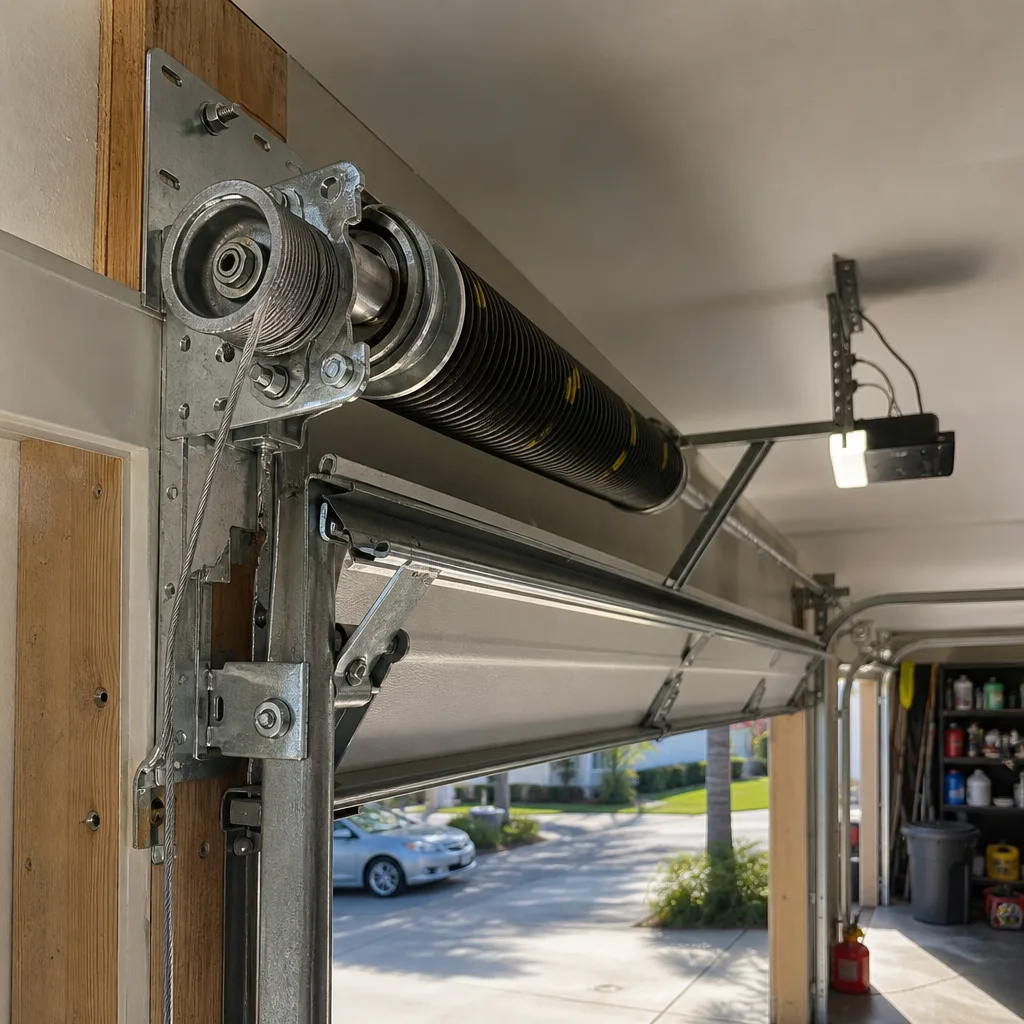
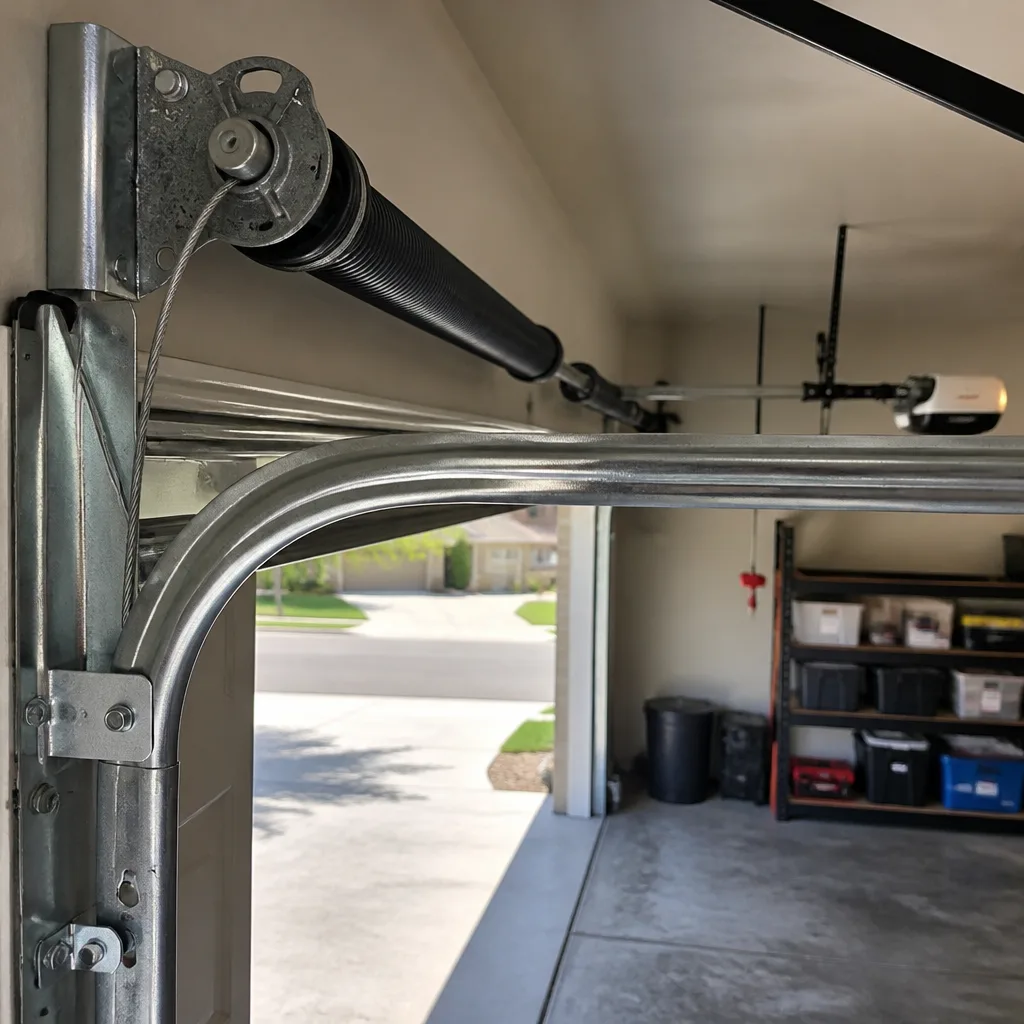
The most common call we get across all brands is torsion spring failure. Ontario’s temperature swings, even within a single day, create repeated expansion and contraction cycles in spring steel. A typical torsion spring is rated for 10,000 cycles, which translates to seven to ten years of daily use. In Ontario’s heat, we see springs fail closer to the seven-year mark than the ten-year mark, because heat accelerates metal fatigue. This is true across every brand. The difference is whether replacement parts are available locally.
Roller failures are the second most common issue. High heat dries out the lubricant in standard steel rollers, which then develop flat spots and start grinding against the track. Nylon rollers with sealed ball bearings hold up much better in this climate, and we recommend them to most Ontario homeowners as a proactive upgrade, regardless of door brand.
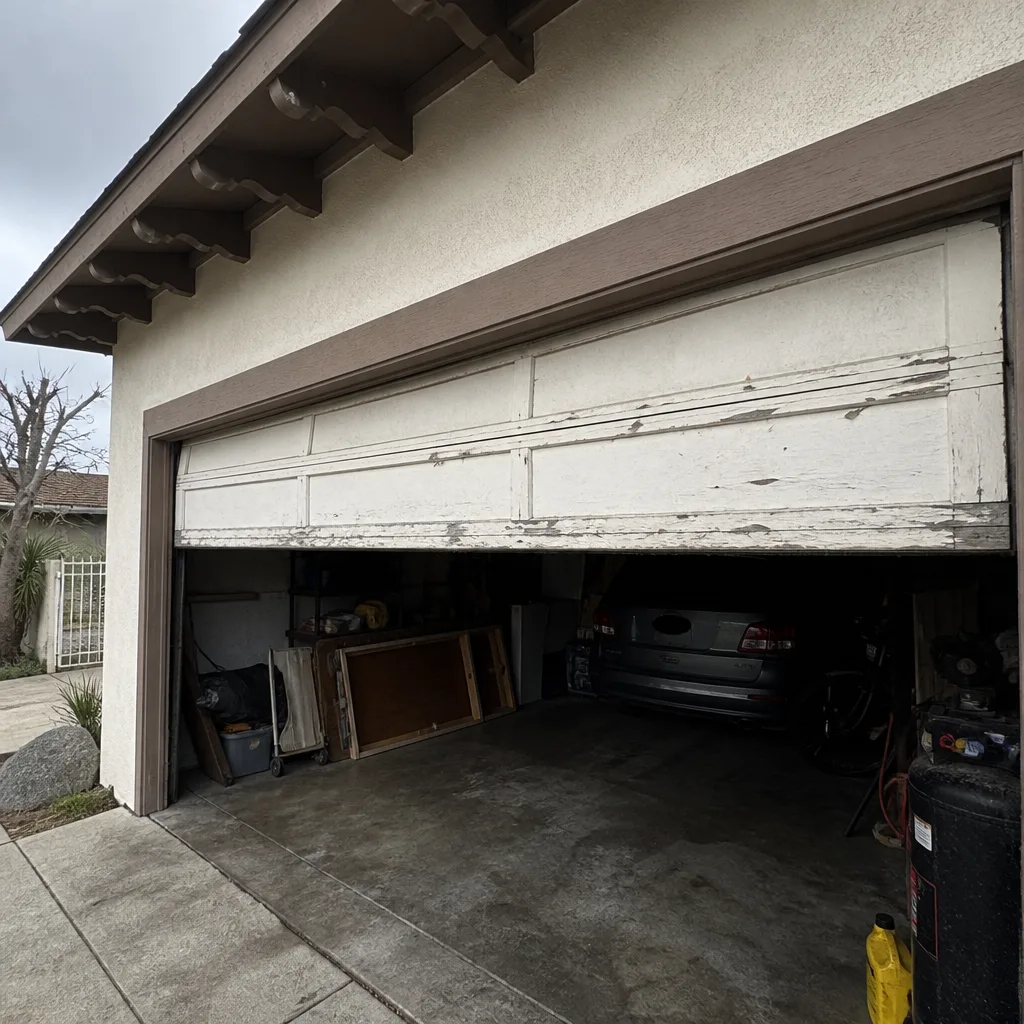
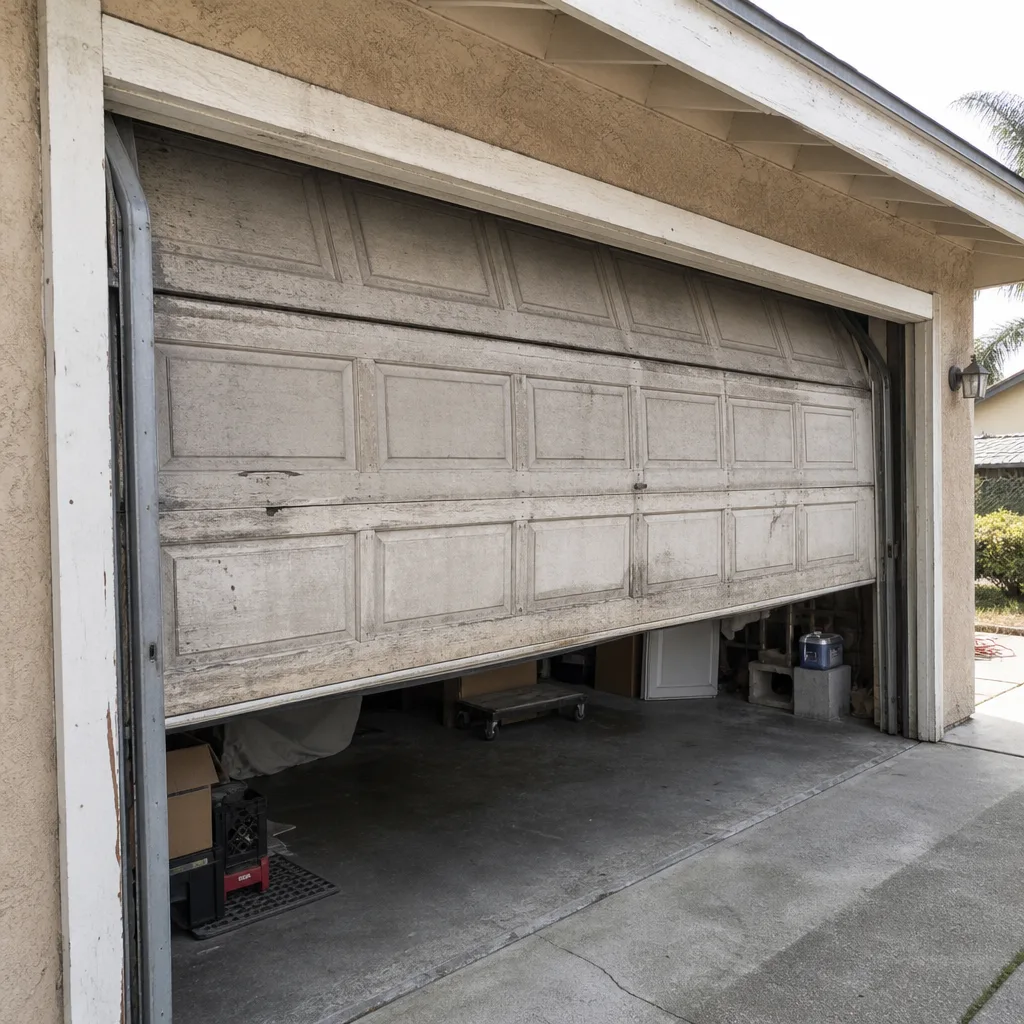
Panel warping is where brand differences show up most clearly. We see warped panels most often on doors with polystyrene insulation and thin steel skins, particularly on west- and south-facing garages. The brands that use polyurethane insulation and thicker steel, which in our experience means Amarr, Clopay, and CHI more often than others, show far fewer warping calls. This is a material-quality issue, not a maintenance issue, and it’s a major reason we steer Ontario buyers toward mid-range and premium doors from these brands.
Opener failures in Ontario follow a similar pattern to door failures. The brands we service most, LiftMaster, Chamberlain, Genie, and Craftsman, all hold up reasonably well, but the primary failure mode in this climate is heat-related circuit board damage. Openers mounted in uninsulated garages that catch direct afternoon sun run hotter, and heat shortens the life of the logic board. We recommend belt-drive openers for Ontario homes because they run cooler than chain drives and are quieter if the garage is attached to the living space.
How to Choose a Brand in 6 Steps
If you’re buying a new garage door for a home in Ontario, follow this sequence. It’s the same process we walk through with customers who call us for a garage door installation in Ontario.
- Identify which direction your garage faces. South and west exposures get the most direct sun in Ontario. If your garage faces those directions, prioritize a door with a UV-stable finish and polyurethane insulation. North- and east-facing garages have more flexibility.
- Decide on your insulation target. Attached garage with a shared wall: R-value 6 to 9. Detached garage: R-value 3 to 6. Don’t chase the highest R-value number without considering how you use the space.
- Request a brand-specific parts availability estimate from a local dealer. Ask a direct question: if a panel or spring fails in two years, how long will it take to source replacement parts? The answer tells you more about real-world serviceability than any brochure.
- Compare finish warranties, not just panel warranties. The limited lifetime warranty covers the steel skin, but the finish warranty is what matters in Ontario’s sun. Look for an explicit UV-fade exclusion, and if it’s absent or vague, ask for a written clarification before you sign.
- Confirm the installer’s brand-specific training. If you’re buying a Wayne Dalton door, the installer should have Wayne Dalton experience, specifically with the TorqueMaster spring system. If you’re buying a Clopay or Amarr door, the installer should be a certified dealer. Generic installation knowledge is not enough.
- Bundle the door and opener decision. The door brand and the opener brand are separate decisions. We recommend pairing any door with an opener from LiftMaster, Chamberlain, or Genie for parts availability in Southern California, but the opening should be framed for your specific door’s weight and balance characteristics.
Common Mistakes to Avoid
- Buying the cheapest door from a national survey list. A door that wins a “best value” award nationally may use a finish that fades within three years in Ontario’s sun. Evaluate brands against local conditions, not national rankings.
- Over-insulating an attached garage. An R-value of 14 sounds impressive but can trap heat overnight in Ontario, especially if you park a hot car inside every evening. Match insulation to your actual use case.
- Ignoring the finish warranty. Most garage door warranties cover the steel skin for life but the finish for only one to five years, often with sun-fade exclusions. If the finish goes bad in Ontario, that’s the warranty you’ll actually need.
- Buying through a big-box retailer for price without understanding the warranty chain. When the door fails, you may be stuck between the retailer’s installer and the manufacturer’s warranty department. Authorized dealers in Ontario have a direct claim path.
- Choosing a brand with thin local parts support. A door from a brand with no San Bernardino County dealer network means every repair is a special-order wait. In a market where your garage door is often your primary entry point, parts availability is a daily utility issue.
- Replacing a door without evaluating the opener situation at the same time. If your opener is older and your new door is heavier than the old one, the opener may struggle and fail early. Ontario homeowners who bundle door and opener decisions through one company avoid a second service call later.
- Assuming all steel doors handle heat the same way. Thermal bowing is real, and it’s most pronounced in doors with polystyrene insulation and thin steel skins. A door that bows in a national testing lab may not perform the same way after three Ontario summers.
When to Call a Professional
Garage door replacement and major repair are not weekend DIY projects. Torsion springs are under extreme tension, and a spring that releases unexpectedly can cause serious injury. Panel replacement requires rebalancing the entire door system, which calls for a calibrated torque wrench and brand-specific knowledge of spring ratios. If your door is bowed, if the springs are visibly rusted or stretched, or if the door shudders and jerks when opening, stop using it and call a professional. Daybreak Garage Door Repair offers free estimates in Ontario, and our techs are trained on Clopay, Amarr, Wayne Dalton, Raynor, LiftMaster, Chamberlain, Genie, and Craftsman systems. Call (877) 588-6760 for a free estimate, or explore our garage door repair service in Ontario.
Frequently Asked Questions
For Ontario’s sustained heat and sun exposure, Clopay and Amarr are the most dependable brands we see in daily service, because their polyurethane-insulated steel doors resist thermal bowing and their finish warranties are clearer than most competitors. Wayne Dalton is also solid for Ontario tract homes, but requires a brand-familiar technician for spring work. The best brand for you depends on your garage’s sun exposure, your insulation needs, and the dealer support behind the purchase. Call (877) 588-6760 for a brand-specific recommendation based on your home.
A new single garage door in Ontario typically costs between $900 and $2,500 installed, depending on brand, insulation type, and finish. Higher-end doors from Clopay or Amarr with polyurethane insulation and UV-stable finishes trend toward the upper end of that range. For an exact quote on your specific opening, call (877) 588-6760 for a free estimate.
Yes, insulation helps most in Ontario during summer, when direct sun can push an uninsulated garage past 130°F and heat bleeds into your home through a shared wall. An R-value of 6 to 9 is the right target for most attached garages in Ontario. Over-insulating beyond that can trap engine heat overnight, which is counterproductive if you use your garage in the early morning.
Most garage door warranties cover the steel skin for life against rust-through, the finish for one to five years with sun-fade exclusions, and hardware like springs and rollers for one to three years. California buyers should specifically ask whether the finish warranty excludes UV fading, because that exclusion determines whether a sun-damaged door is covered. Buying through an authorized dealer gives you a direct warranty claim path.
Yes, individual panels can be replaced if the door is less than about ten years old and the brand still manufactures that panel style. Clopay and Amarr panels are generally easier to source in Ontario than some other brands. If the door is older or the panel style is discontinued, a full door replacement may be the more cost-effective route.
LiftMaster, Chamberlain, and Genie openers all perform well in Ontario when properly installed, but we recommend belt-drive models because they run cooler and quieter than chain drives. Heat-related circuit board failure is the most common opener issue we see in the Inland Empire, and proper mounting in a ventilated garage extends opener life more than any brand choice. Daybreak handles garage door opener repair in Ontario across all three brands.
The Bottom Line
The right garage door brand for Ontario is not a one-size-fits-all answer. It depends on which direction your garage faces, whether it’s attached to your home, and how long you expect the door to last. Clopay and Amarr offer the most predictable performance and parts availability in this climate. Wayne Dalton is also strong, provided you use a brand-familiar technician. The finish warranty matters more than the panel warranty in Ontario’s sun, and buying through an authorized dealer protects you far better than a big-box purchase. If you’d like a brand-specific recommendation for your home, our Daybreak Garage Door Repair team is ready when the problem is, with free estimates across Ontario and the Inland Empire. Call (877) 588-6760 and we’ll walk you through the right choice for your door, your garage, and your budget.
Written by the team at Daybreak Garage Door Repair, serving Ontario since 2011. Browse more guides & resources on keeping your door running smoothly.
See the difference
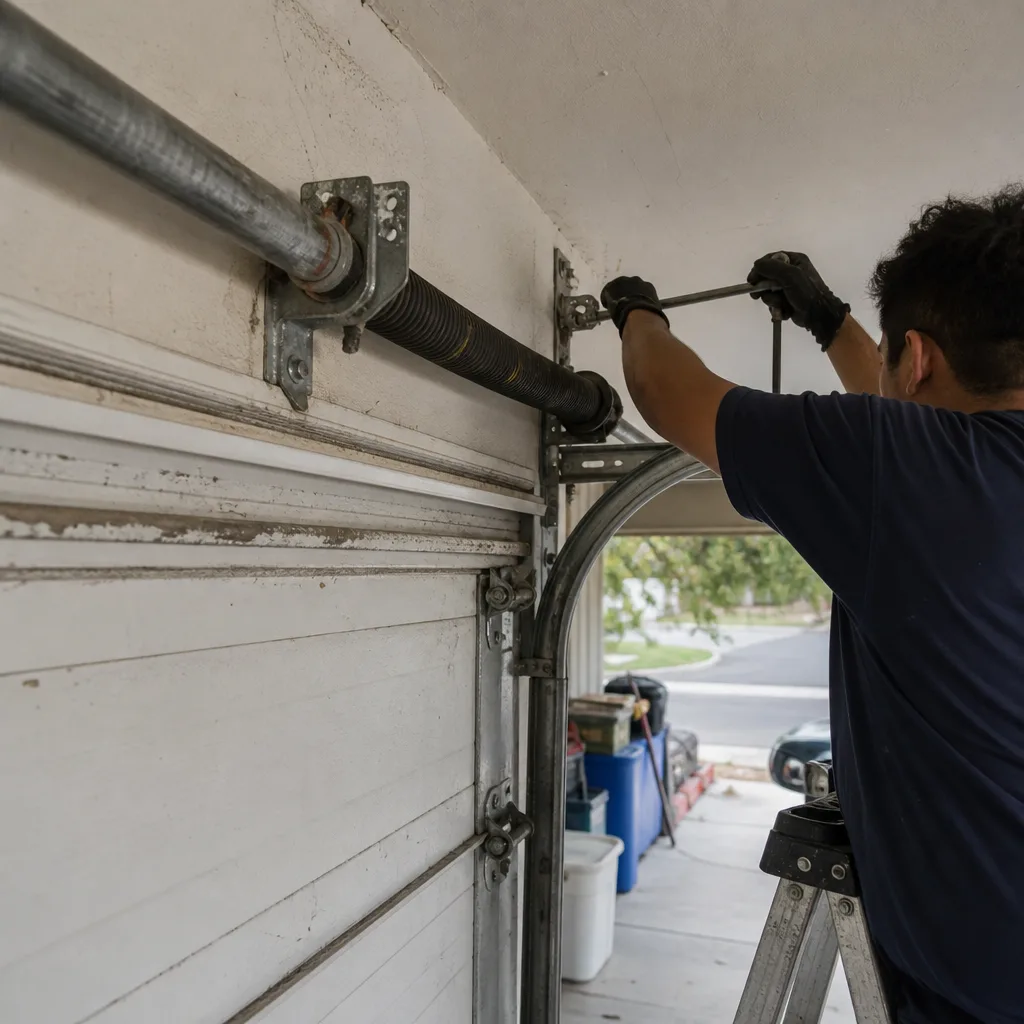 Before
 After
 Before
 After
 Before
 After