
Last updated October 30, 2026
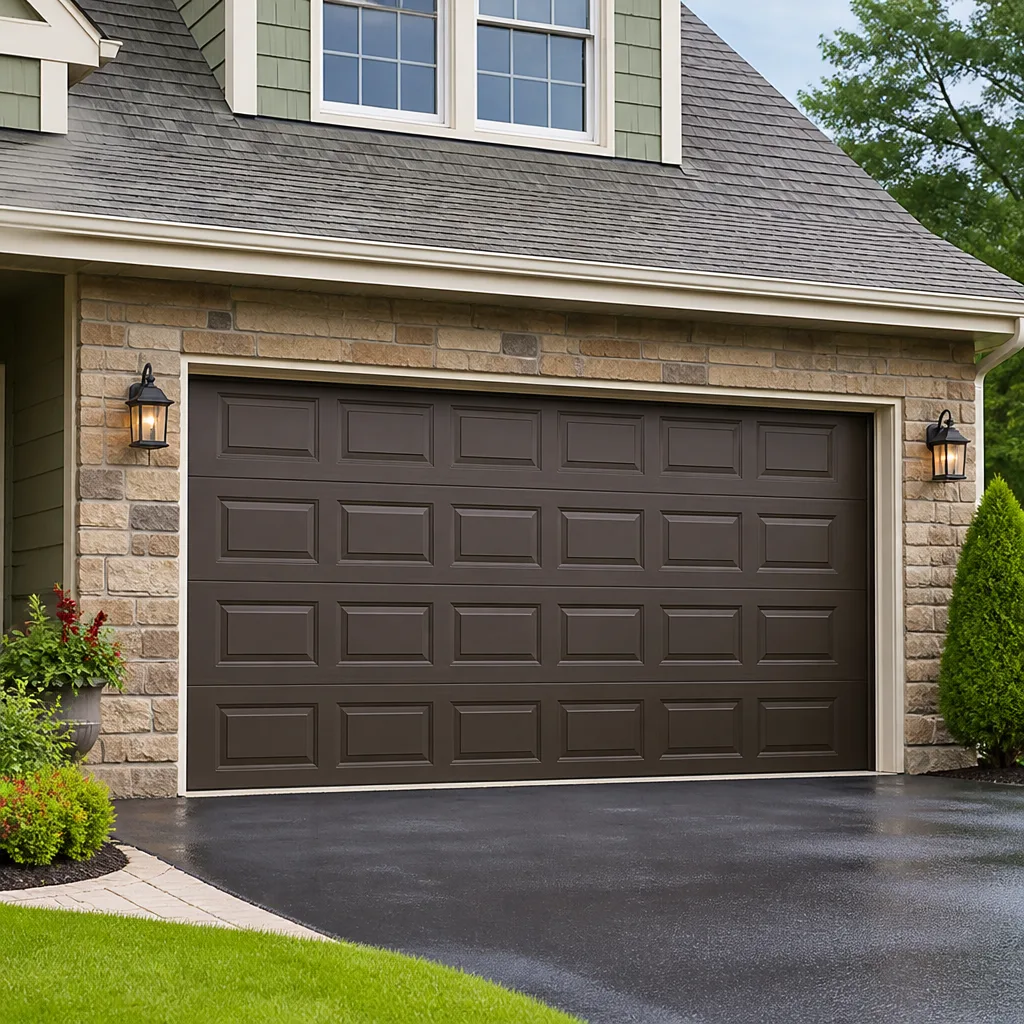 Raised-panel steel
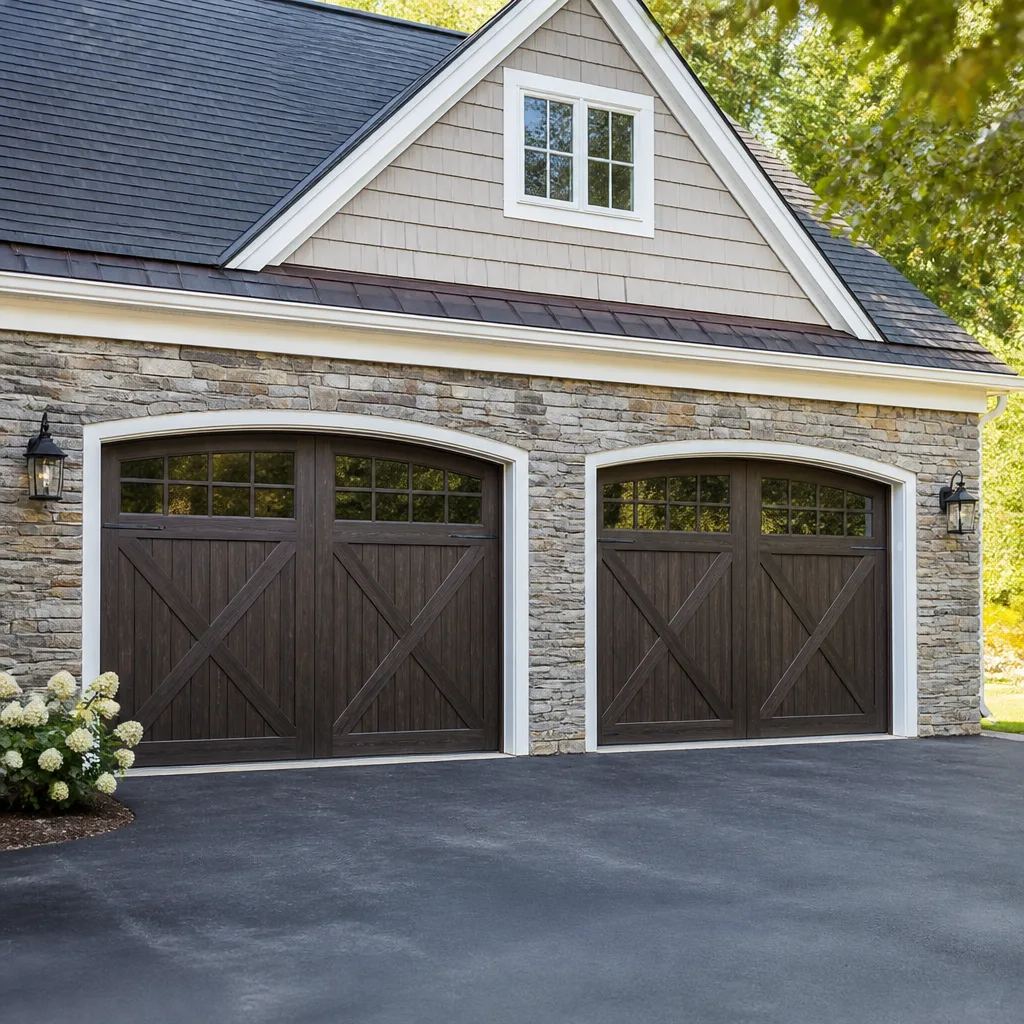 Carriage house
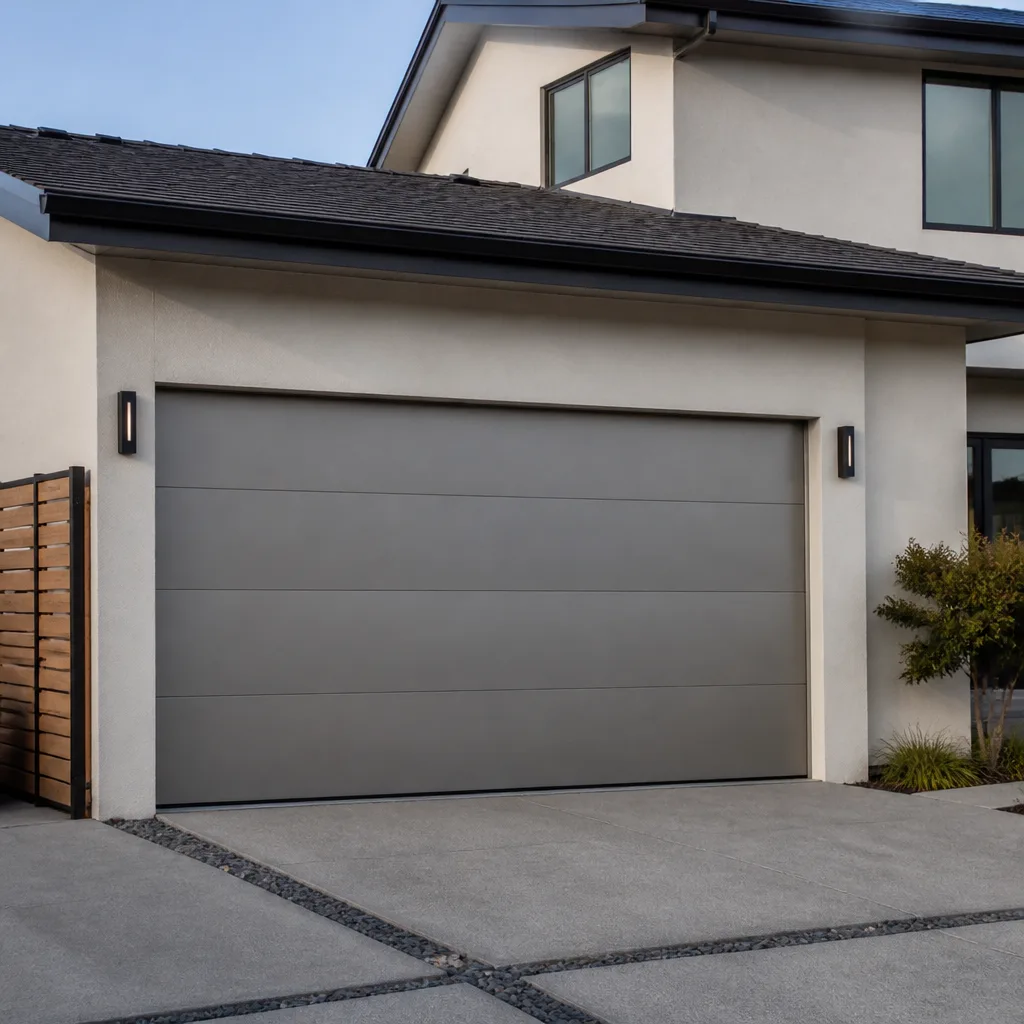 Modern flush
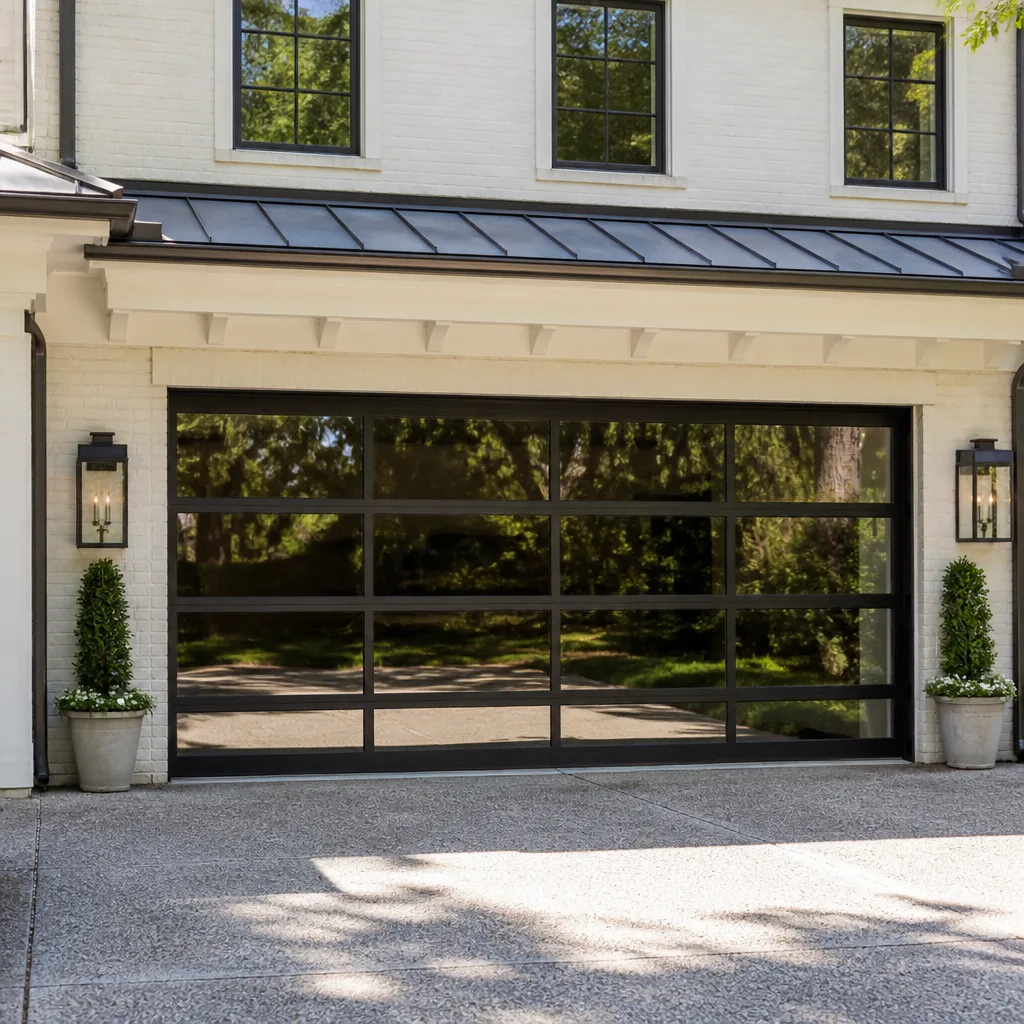 Full-view glass
 LiftMaster openers
 Chamberlain openers
Full 25-point door and opener safety check with every visit - springs, cables, rollers, tracks, and your LiftMaster or Chamberlain opener included
You get a price before we start. It does not change when the truck arrives.
Get your free estimateGarage Door Emergency Preparedness Guide for Ontario Homes
When a garage door spring snaps in Ontario, the door doesn’t come crashing down like most people expect. It stays right where it is, suddenly weighing 150 to 400 pounds with no counterbalance. A door that heavy can crush a person, snap a wrist, or pin someone against the concrete before they even register what went wrong. That single fact, learned before the emergency, changes everything about how you respond. This guide is the one you read on a quiet afternoon so that when the spring snaps at 11 p.m. on a Tuesday, you already know the sequence. For more, see our Garage Door Repair Troubleshooting: Common Problems and How to Fix Them.
Styles & brands we work with
Quick Answer
A garage door emergency in Ontario breaks down into four common failures: a door stuck open, a door stuck closed, a door off its tracks, or a broken spring. For each one, the correct first move is to stop trying to force the door, secure the opening if it’s stuck open, pull the emergency release only when the door is fully closed, and call a professional at (877) 588-6760 for same-day assessment. Trying to muscle a spring-broken or off-track door manually causes more damage and puts you at real risk of injury.
Table of Contents
- Understand Your System Before It Breaks
- How to Use the Emergency Release Cord Safely
- What to Do When the Door Is Stuck Open at Night
- What to Do When the Door Is Stuck Closed
- How to Respond to an Off-Track Door
- The Broken Spring Protocol
- Power Outage, Battery Backup, and Opener Failure
- What to Have Ready When You Call for Emergency Service
- Common Mistakes to Avoid
- When to Call a Professional
- Frequently Asked Questions
- The Bottom Line
Understand Your System Before It Breaks
You don’t need to become a garage door technician to handle an emergency well. You need to know about six things that exist on every system in Ontario, whether it’s a builder-grade door in a Centennial home or a custom Clopay on a Southridge property. Knowing these six components turns a panic moment into a sequence you’ve already rehearsed.
First, the emergency release cord. It’s the red handle hanging from a rope near the top of the door opening. When pulled, it disconnects the door from the opener rail so you can move the door by hand. That red handle is your lifeline in a power outage or opener failure. But it only works safely under specific conditions, which we’ll cover in the next section.
Second, the springs. Ontario doors use either two extension springs running along the horizontal tracks or one or two torsion springs mounted on the header above the door. Extension springs stretch and contract. Torsion springs twist and untwist. Both store enormous energy, and both fail eventually. The average spring lasts 7 to 10 years, which means most Ontario homeowners will face at least one spring failure during their time in the home.
Third, the safety cables that run through extension springs. If your door has extension springs, these cables prevent a snapped spring from flying across the garage. They’re required by code and they matter. When they’re missing or frayed, a spring failure turns from a nuisance into a projectile hazard.
Fourth, the photo eye sensors near the bottom of each door track. These infrared sensors stop the door from closing on a person, pet, or object. When they’re misaligned or dirty, the door refuses to close, which explains a large share of “my door won’t go down” calls in Ontario.
Fifth, the opener unit. Most Ontario homes have openers in the LiftMaster, Chamberlain, Genie, or Craftsman families. Some have a battery backup unit that sits on top of the opener and keeps it running through a power outage. Knowing whether yours has one, and whether that battery still holds a charge, matters more than you’d think during wildfire season or heavy Santa Ana wind events that knock out power.
Sixth, the manual lock if your door has one. Older doors often have a slide bolt on the inside of one track. It’s a simple physical lock that can secure a door when the opener is disengaged. If your door has one, test it once a year so you know it works when you need it.
Learning these six items takes ten minutes. Walk into your garage with this guide open on your phone and identify each one. When the emergency hits, that ten minutes pays back a hundred times over.
How to Use the Emergency Release Cord Safely
The emergency release cord is the most misunderstood component on any garage door. Pulled at the wrong time, it can turn a minor problem into a dangerous one. Here’s the sequence that keeps you safe and protects the door’s hardware.
The one rule that matters most: never pull the emergency release when the door is open and the spring is broken. If the spring has snapped, the door is still fully weighted. Pulling the release disconnects the opener, and the door will drop with nothing to slow it. A door falling uncontrolled can shatter panels, rip the tracks off the wall, and seriously injure anyone underneath it.
That rule applies to open doors. When the door is closed, pulling the release is generally safe because the door is resting on the ground and can’t fall. Here’s the step-by-step:
- Confirm the door is fully closed. Look at the bottom edge where the door meets the concrete. If there’s even a six-inch gap, do not pull the release. Treat it as an open door.
- Locate the red handle. It hangs from a rope attached to the trolley on the opener rail, roughly 6 to 7 feet off the ground.
- Pull the handle straight down in one firm motion. You’ll hear a click as the trolley disengages from the chain, belt, or screw drive.
- Lift the door manually. Grasp the handle or bottom edge and lift slowly. A properly balanced door should feel light, around 8 to 15 pounds of effective weight on the springs. If it feels like you’re lifting a car, stop. That’s a broken spring or a cable problem, and forcing it risks injury.
- Close the door the same way when done. Lower it gently. When you’re ready to reconnect the opener, pull the release again or press the opener button. On most LiftMaster and Chamberlain units, the trolley reconnects automatically on the next cycle.
If you test the manual operation once a year, you’ll know exactly how heavy your door should feel. That baseline is what tells you instantly, in a real emergency, whether a spring has failed or a cable has snapped. In Ontario, where many garages are the primary entry point, that ten-minute annual check is genuinely worth doing.
What to Do When the Door Is Stuck Open at Night
A door stuck open at midnight in Ontario is a security problem before it’s a mechanical one. Your garage holds far more than your car. Tools, bikes, holiday storage, sometimes a secondary fridge or a door into the house. An open overhead door announces all of it to anyone passing by.
Here’s the response sequence, in order:
- Do not try to close the door by force. The most common reason a door stops halfway and stays there is a broken spring or a bent track. Both get worse under pressure.
- Check the spring. Look above the door. On a torsion setup, a visible gap in the spring coil means it snapped. On extension springs, look for a spring that’s dangling or separated. If you see a gap, the door is unsprung, and the opener cannot lift it properly. Do not press the opener button repeatedly. Each attempt strains the opener gear and can burn it out.
- Secure the garage as best you can. If the door is stuck a foot or two off the ground, cover the gap from the inside with anything available. Plywood, a plastic tarp, a movers blanket. If the interior door into the house has a deadbolt, lock it as well. Many Ontario homeowners over-rely on the overhead door as the only barrier. Treat the house entry as the real security boundary at night.
- Call for service. At Daybreak Garage Door Repair, we dispatch for emergency calls across Ontario and will talk through your exact situation on the phone. Call (877) 588-6760. We’ll confirm whether your symptom matches a broken spring, an off-track door, or an opener failure, so the technician arrives with the right parts.
One more Ontario-specific note: Santa Ana winds and summer monsoons both cause door pressure differentials. For local regulatory context, see Garage Door Permits, Codes & Inspections in CA: What You Need to Know. In exposed neighborhoods like Carriage Hills or near the foothills, gusts can flex a door enough to pop a roller or pull a cable. If you hear a loud bang followed by a stopped door during a wind event, that’s often the origin.
What to Do When the Door Is Stuck Closed
A door that won’t open traps your car in the garage and forces you to rearrange your entire day. In Ontario, where most households have two vehicles and one of them lives in the garage, a stuck-closed door can strand a commuter before a shift starts. The sequence here is simpler than the stuck-open scenario, but it comes with its own traps.
Step one: rule out the opener before touching the door. Press the wall button, not just the remote. If the wall button works but the remote doesn’t, the opener is fine and the issue is a dead remote battery or a signal problem. If neither works and the opener makes a humming sound, the motor is trying to run against a locked or jammed door. Stop pressing the button. Continuing to run the motor against a jammed door is how opener gears strip themselves.
Step two: look at the photo eyes. If the opener clicks but won’t move the door, the safety sensors at the bottom of the track may be misaligned or blocked. In Ontario garages, these sensors get bumped by everything from bikes to trash cans to a soccer bag tossed on the floor. Check that both small indicator lights are solid. If one is blinking, something is in the beam or the sensors are out of alignment.
Step three: assess whether the door is fully closed and balanced. If the opener moves the door a few inches and then reverses, the door is fighting something. It could be a spring that’s losing tension, a cable that’s jumped the drum, or an obstruction in the track. This is where the annual manual-lift baseline from the previous section earns its keep. If you pull the release and the door feels heavy, that’s a spring issue and a professional call. If it feels normal, you may have an opener problem only.
Step four: if you must get the car out now. Pull the release only when the door is fully closed. Lift manually. If it’s balanced and cooperative, lift it all the way and prop it securely if needed. If it feels heavy or fights you, stop. A heavy door can pin you or destroy the cables. Take a rideshare, borrow a car, or call a technician first rather than risking an injury that costs far more than a late day.
We perform garage door repair in Ontario every day, and a stuck-closed door is the most common emergency call we answer before 8 a.m.
How to Respond to an Off-Track Door
An off-track door looks broken and feels catastrophic, but in reality it’s a fixable condition with a known sequence. The rollers that guide the door along the vertical and horizontal tracks can pop out when the door is struck, when a cable breaks under load, or when a panel takes an impact from the car inside the garage. Ontario homeowners back into their own garage doors more often than most people realize.
How to recognize an off-track situation: The door sits crooked in the opening. One side is lower than the other, or the door won’t travel evenly. You may see a roller hanging loose or hear scraping as the door grinds against the track. Sometimes the door jams half-traveled and refuses all motion in either direction.
What to do:
- Stop operating the door. Each attempt to cycle it grinds metal parts into worse alignment and risks tearing a cable.
- Do not try to push the door back on track. The door is under spring tension. Pushing on one corner while that tension is still loaded can cause the door to lurch, and hands near tracks are exactly where they shouldn’t be when that happens.
- Check whether the door is partly or fully off. If the door is fully closed or nearly closed and has one or two rollers out, you may be able to secure it in place and wait for service. If the door is open and hanging crooked, keep everyone away from the area underneath it.
- Call a technician. Rollers, tracks, and cable drums all interact, and when one fails the others usually took some strain too. Our technicians in Ontario are factory-familiar with doors from Clopay, Amarr, and Wayne Dalton, so whether you have a standard steel model or a residential carriage-house style, the repair follows the same safe sequence: release spring tension, replace the affected rollers or track section, re-seat the door, and test the balance.
An off-track door is one of the cases where we strongly advise against DIY. The parts themselves are inexpensive. The reason to call a professional is tension management. Even a small miscalculation with a torsion spring or a cable drum can cause a sudden unspooling that whips a cable at eye level. Opener repair in Ontario often pairs with a door alignment fix after an impact, so if your door was hit by a car, mention it to the dispatcher.
The Broken Spring Protocol
When that loud bang comes from the garage at 6:40 a.m. on a Monday, in Ontario that’s a broken torsion spring. The sound is unmistakable: a sharp crack, like a gunshot or a hammer hitting a steel beam. The door won’t lift, the opener will hum or strain, and if you pull the release and try to lift by hand, you’ll feel what 150 pounds of dead steel really weighs.
Here’s the response protocol, in order:
- Confirm the spring break. On torsion systems, the spring sits on a tube above the door. Look for a gap in the coil, usually near the center bearing. On extension systems, one spring will look stretched, dangling, or separated into two pieces. If you see either, stop touching the door.
- Do not run the opener. The opener motor was designed to move a counterbalanced door. With the spring gone, the motor takes the full load. Stripping the gear inside a LiftMaster or Chamberlain opener is a common secondary failure that turns a $200 spring replacement into a $500 two-part repair.
- Do not pull the release while the door is open. We say this three times in this guide because it’s the injury that happens most. A spring-broken door disconnected from the opener with the door open will fall. Fast.
- If the car is trapped and you absolutely must get the door open, call us first. At (877) 588-6760 we can often talk you through whether it’s safe to try anything with your specific door. Some doors can be manually lifted by two strong adults if one lifts from each side, but only when the door is closed and in the down position. Even then, if you have any doubt, wait for the technician.
- Schedule spring replacement same-day. Springs are a wear item. A broken one usually means its partner is near the end of its life too, which is why we recommend replacing both springs at once on a two-spring system. The labor is identical, and you avoid a second emergency call in six months.
Spring replacement pricing in Ontario typically runs between $180 and $340 per spring, depending on the spring size, cycle rating, and door weight. High-cycle springs, rated for 25,000 to 50,000 cycles instead of the standard 10,000, cost more but last noticeably longer in households where the door cycles multiple times a day. We always give you the option and the price before any work starts.
Power Outage, Battery Backup, and Opener Failure
Ontario sits in Southern California Edison territory, where rolling outages, wind-driven power events, and occasional heat-wave grid strain all interrupt power to garages. When the power goes out, the garage door opener goes with it. What you do next depends on what you have installed.
If your opener has a working battery backup: You may not notice the outage at all. Modern LiftMaster, Chamberlain, and Genie openers with a battery unit on top will cycle normally through a blackout for anywhere from a day to over a week, depending on the unit and battery age. Press the button and the door moves. That’s the entire sequence. If it works, close the door and go about your business. If it doesn’t work, the battery may be dead, which is a separate issue from the power outage itself. Batteries in backup units last around two to four years, and we replace them as a standard part of our opener repair calls in Ontario.
If your opener has no battery backup: The door is now on the emergency release system. With the door closed, pull the release, lift manually, and secure the door as needed. When power returns, test the opener with the wall button. If the opener doesn’t respond or makes a grinding sound, the outage may have coincided with an electrical surge that damaged the logic board. That’s the moment to call a professional rather than replace parts on a guess.
If the door was mid-cycle when power dropped: In rare cases, a door can stop halfway between open and closed. If this happens during a storm, use the release cord only if the door is more closed than open. If the door is half-traveled or above, the release can trigger a sudden drop. Instead, if the door is stuck in the upper half, secure the area underneath it and wait for power restoration or a technician.
One more Ontario-specific note: the dry, dusty air in the Inland Empire is hard on optical sensors and opener wiring. Dust buildup on the sensor lenses can mimic a power failure symptom, with the door refusing to close. A quick wipe with a dry cloth clears it more often than you’d expect. If that doesn’t solve it, the problem is likely in the opener’s receiver board or the safety sensor wiring, and a professional diagnosis is the cost-effective path.
What to Have Ready When You Call for Emergency Service
The call you make from outside the garage at 7 p.m. is the one that determines whether tonight’s problem becomes a same-evening fix or repeats tomorrow. Dispatch works best with specific information. Here’s what to have ready when you call (877) 588-6760 for emergency service in Ontario:
- The door’s brand and approximate age. Clopay, Amarr, Genie, Chamberlain, whatever the label says. We service all eight major brands, including these, and knowing the brand lets us pre-load the right parts and understand the specific failure modes. A Clopay steel door and an Amarr wood composite fail differently.
- The opener’s brand and behavior. Is it a belt drive or a chain or screw drive? Does it hum when you press the button? Does it do nothing? A humming motor means the opener is alive but fighting the door. Total silence points to a power issue or a dead logic board.
- What the door is doing right now. Open, closed, half-traveled, crooked, off a roller. A photo helps enormously if you can text one to the dispatcher or describe the exact position.
- Whether you hear anything. A bang, a grinding, a clicking, a thud. Each sound maps to a different failure. The more precisely you describe the sound, the better the technician can prepare.
- Your cross streets or nearest landmark. Ontario is large. Saying “north of the 60” or “off Euclid near the 10” helps our team route to you faster than a street number alone.
- Whether the car is inside the garage. If the door is stuck closed and the vehicle is trapped, we prioritize accordingly.
That’s it. Six items. You can gather all of them in under two minutes, and doing so changes what the technician can bring on the first visit. A prepared caller often gets a one-trip repair where an unprepared caller gets a diagnosis visit followed by a parts run.
Common Mistakes to Avoid
- Pulling the emergency release with the door open. This is the most dangerous move in this entire guide. An open door is under maximum spring tension and disconnected from the opener, it falls freely. Never pull the red cord unless the door is fully closed or you have confirmed the door is supported.
- Running the opener after a spring has broken. Every cycle after a spring failure applies door weight directly to the opener’s gear and sprocket. The spring is a $200 fix. The stripped opener is another $300 on top.
- Forcing a crooked door back into position. An off-track door that gets shoved back onto its rollers often hides underlying cable damage. It may look fixed for a day, then fail completely when the cable finally snaps under load.
- Ignoring a slow or uneven door for months before an emergency. Garage doors almost never fail without warning. A slow cycle, a loud operation, a door that hangs slightly crooked on the way up: these are all pre-failure signs. Address them before the emergency.
- Using the garage door as the only lock between the garage and the house. In Ontario, the interior person-door should have a deadbolt, and you should use it. A stuck-open overhead door at night should not leave the house exposed.
- Oiling a squeaky door without addressing the underlying cause. A loud door in Ontario’s dry climate is often a roller bearing or hinge wearing out, not a lubrication issue. Spraying lubricant masks the noise but doesn’t stop the eventual failure.
- Waiting until morning to deal with a spring that snapped at night. If your car is trapped and you need to leave before dawn, waiting means a harder same-day scramble. Call the moment you know. We’re here early for exactly that reason.
When to Call a Professional
Any spring, cable, or track failure deserves a professional’s hand. Springs hold crushing tension. Cables whip when they release. Tracks under load can pinch and trap fingers. Our team at Daybreak Garage Door Repair handles the complete system, from door panel to opener drive, across LiftMaster, Chamberlain, Genie, Clopay, Amarr, Wayne Dalton, Craftsman, and Raynor. That means one call covers the diagnosis, the parts, and the labor, without a second company for “the other half” of the job. We’ve built our entire approach on showing up ready, early in the day when problems are fresh, and doing the repair right the first time. Explore more guides & resources on our blog. If you’re in Ontario and facing any of the scenarios in this guide, call (877) 588-6760 for a free estimate. We’ll quote the price before we start, and the technician will walk you through exactly what’s wrong before touching a bolt.
Frequently Asked Questions
Emergency garage door repair in Ontario typically ranges from $150 to $450 for common failures like a broken spring, a snapped cable, or an off-track roller, with spring replacement usually falling between $180 and $340 per spring depending on size and cycle rating. The exact quote comes after we see the door, and we always give you the number before any work begins. Call (877) 588-6760 for a free estimate on your specific situation.
Yes. Daybreak Garage Door Repair runs same-day service calls across Ontario for emergencies like broken springs, doors stuck open, doors stuck closed, and off-track rollers. When you call with the six details from this guide, we can often dispatch within the same day, and many emergency calls are resolved on the first visit.
No. The price is quoted and agreed before any work starts, and it doesn’t change unless you approve a different repair scope. We explain what’s wrong, what it costs, and what the options are before touching a single bolt. That’s our policy on every call in Ontario.
Our trucks carry the standard parts for the eight brands we service: LiftMaster, Chamberlain, Genie, Clopay, Amarr, Wayne Dalton, Craftsman, and Raynor. Springs, rollers, cables, hinges, sensors, and common opener components are stocked. Unusual custom parts or specific panel replacements may require a second visit, but when you give us your door and opener brand at the time of the call, we can often avoid that.
No. A broken spring removes the counterbalance, leaving the door at its full dead weight of 150 to 400 pounds. Lifting it manually puts you at risk of dropped-door injuries, muscle strain, and cable damage. If the car is trapped and you must move the door, call (877) 588-6760 first and we’ll talk through whether a safe manual lift is possible with your specific setup.
That’s typically a battery backup unit with a failing battery. The backup is delivering partial voltage, enough to run the motor but not enough to move the door under load. We replace backup batteries regularly on LiftMaster, Chamberlain, and Genie units across Ontario, usually as a same-visit fix while we’re on site for the primary repair.
The Bottom Line
Garage door emergencies in Ontario follow patterns. A spring snaps. A cable lets go. A roller pops out of the track during a wind event. A power outage exposes a dead opener battery. When you know the sequence for each one, the emergency becomes a procedure instead of a panic. The two rules that matter most: never pull the emergency release with the door open, and never run the opener after a spring has broken. Everything else flows from those. This guide is meant to be read before you need it. Save it, bookmark it, or print the relevant section and tape it inside the garage cabinet. When the moment comes, you’ll be the calm one in the house. And if you’re in Ontario and need someone who knows the brands you own, Daybreak Garage Door Repair handles installation in Ontario too, from opener to panel, one call covers it all. Reach us at (877) 588-6760 anytime.
Written by the team at Daybreak Garage Door Repair, serving Ontario since 2011.
See the difference
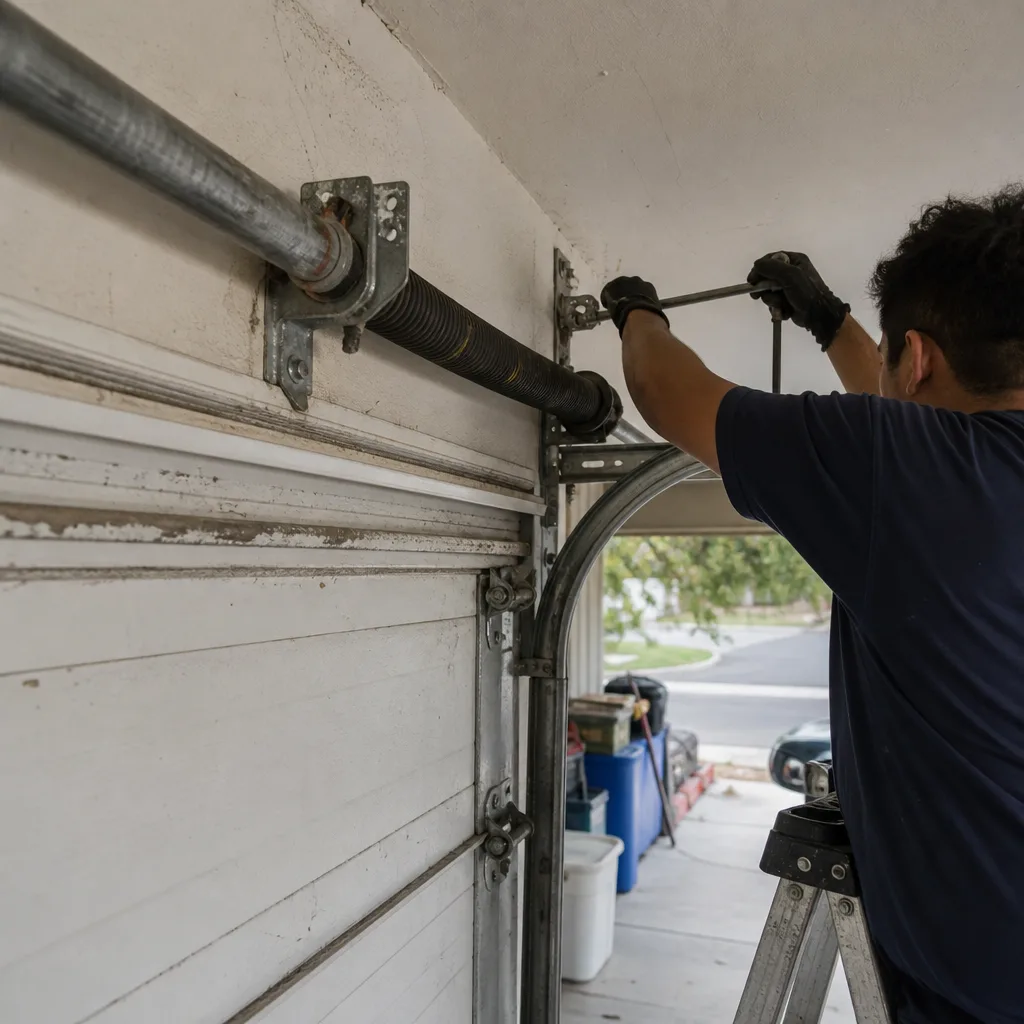 Before
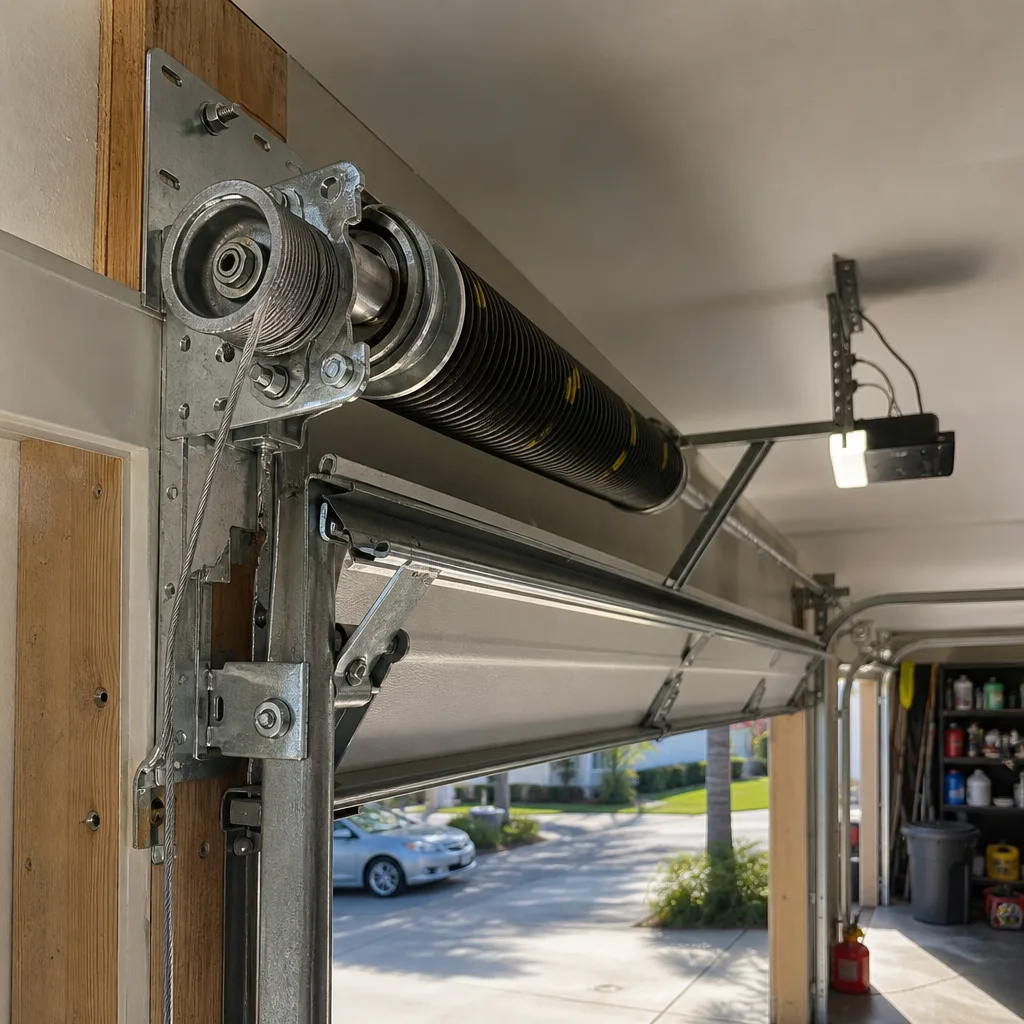 After
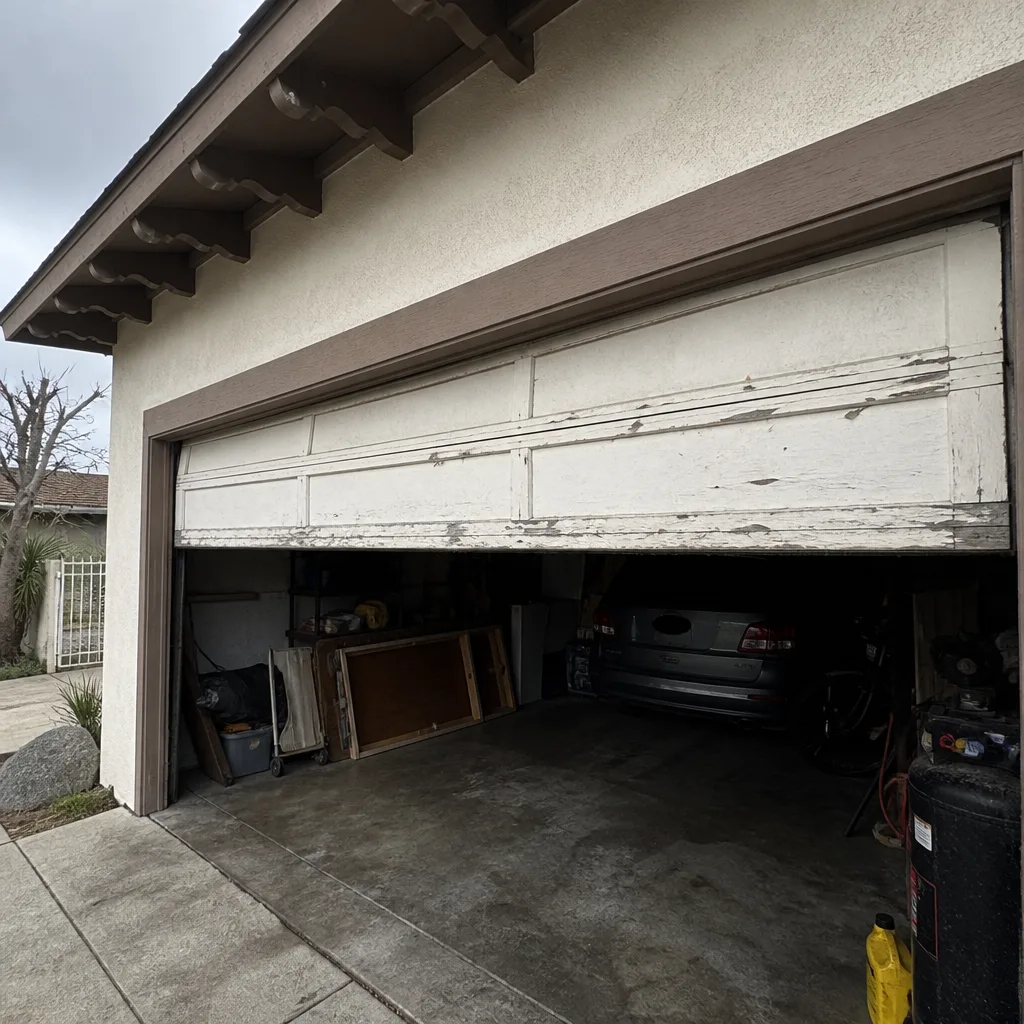 Before
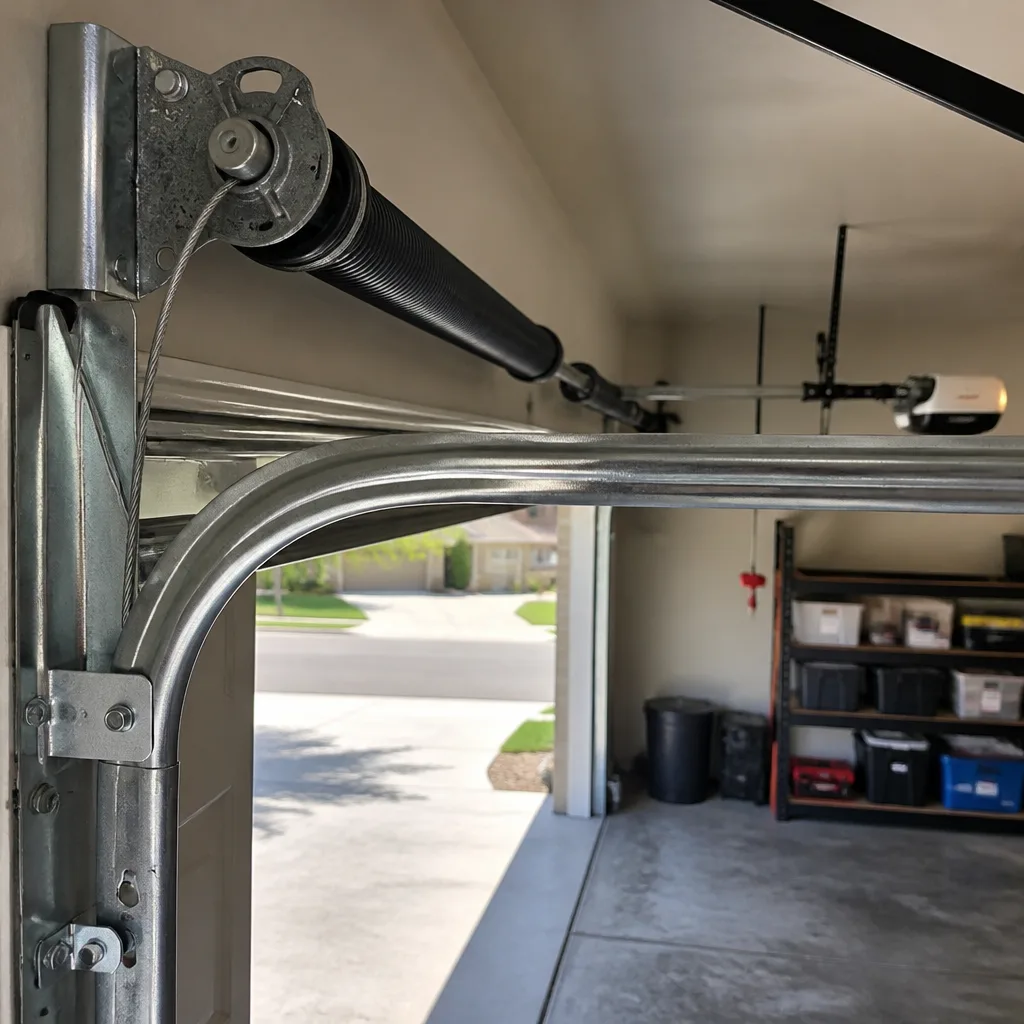 After
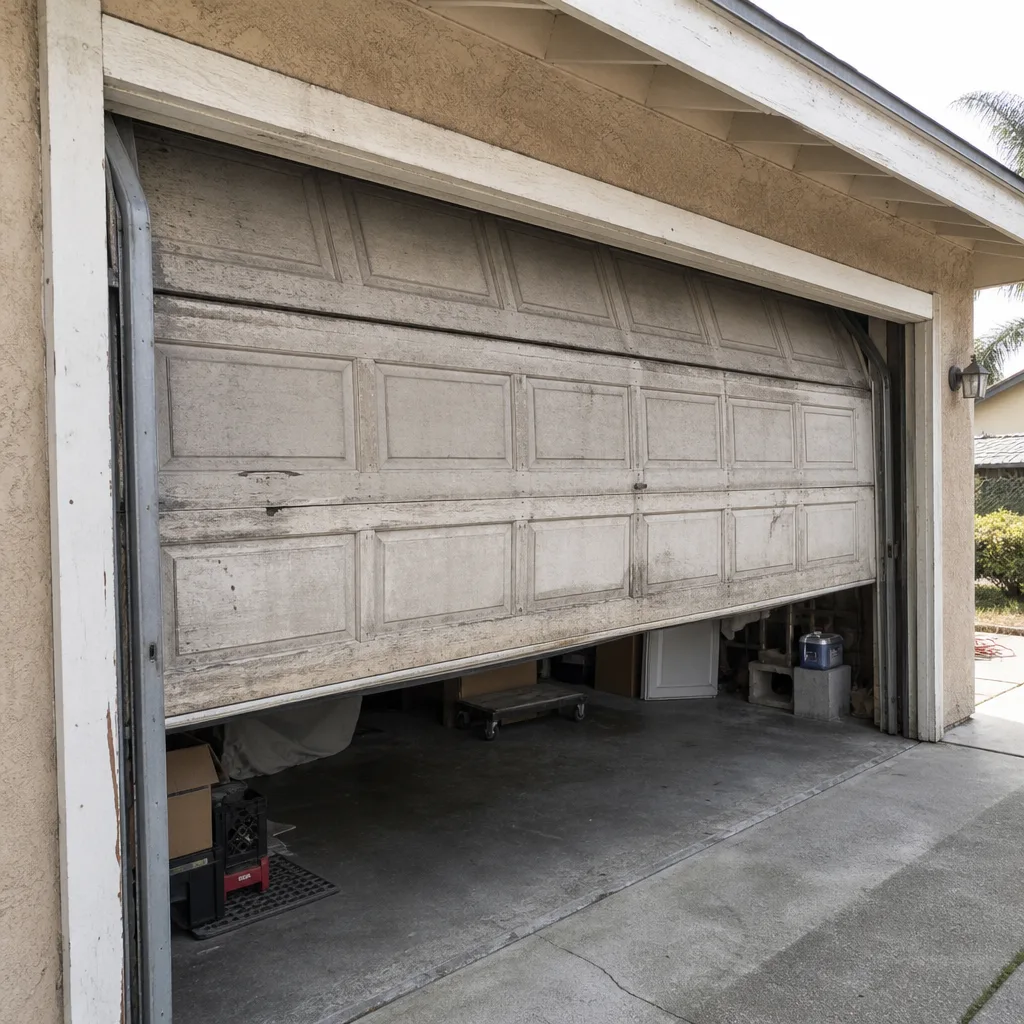 Before
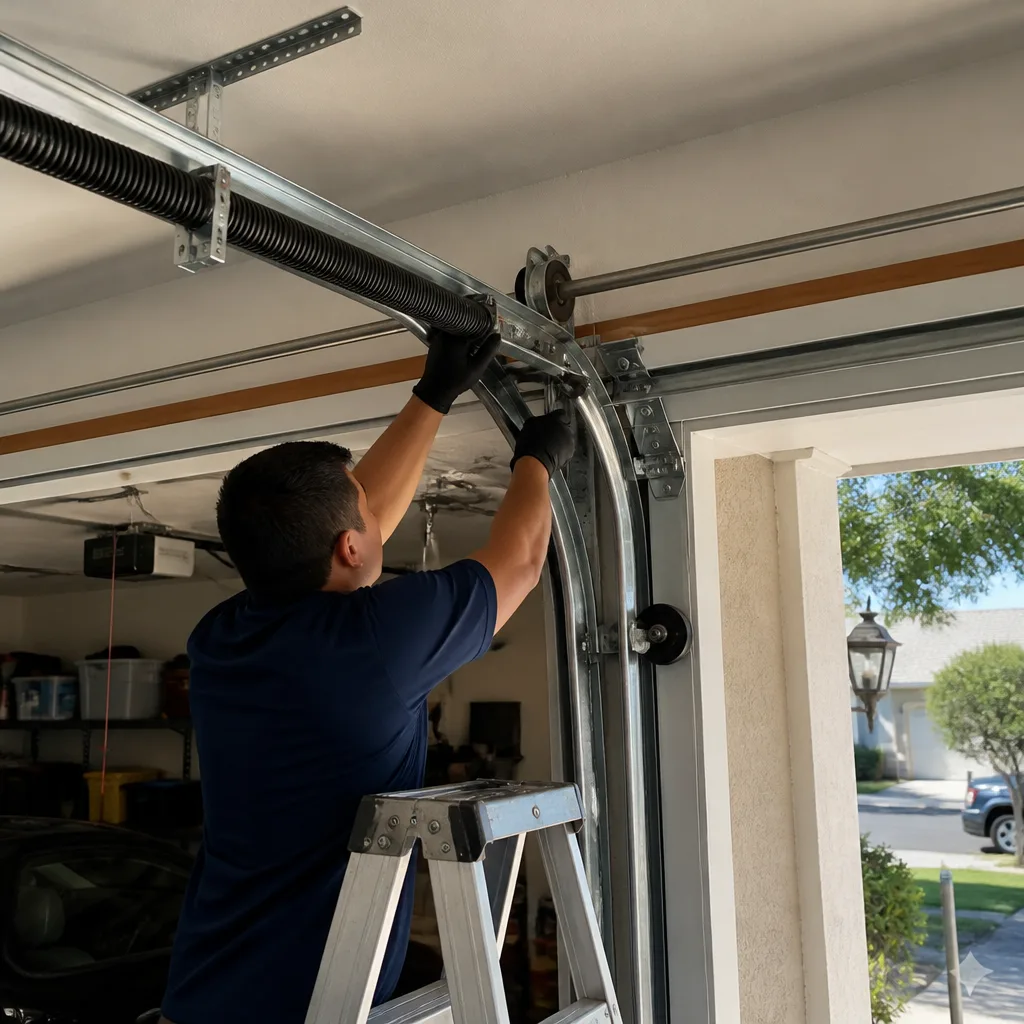 After