
Last updated October 30, 2026
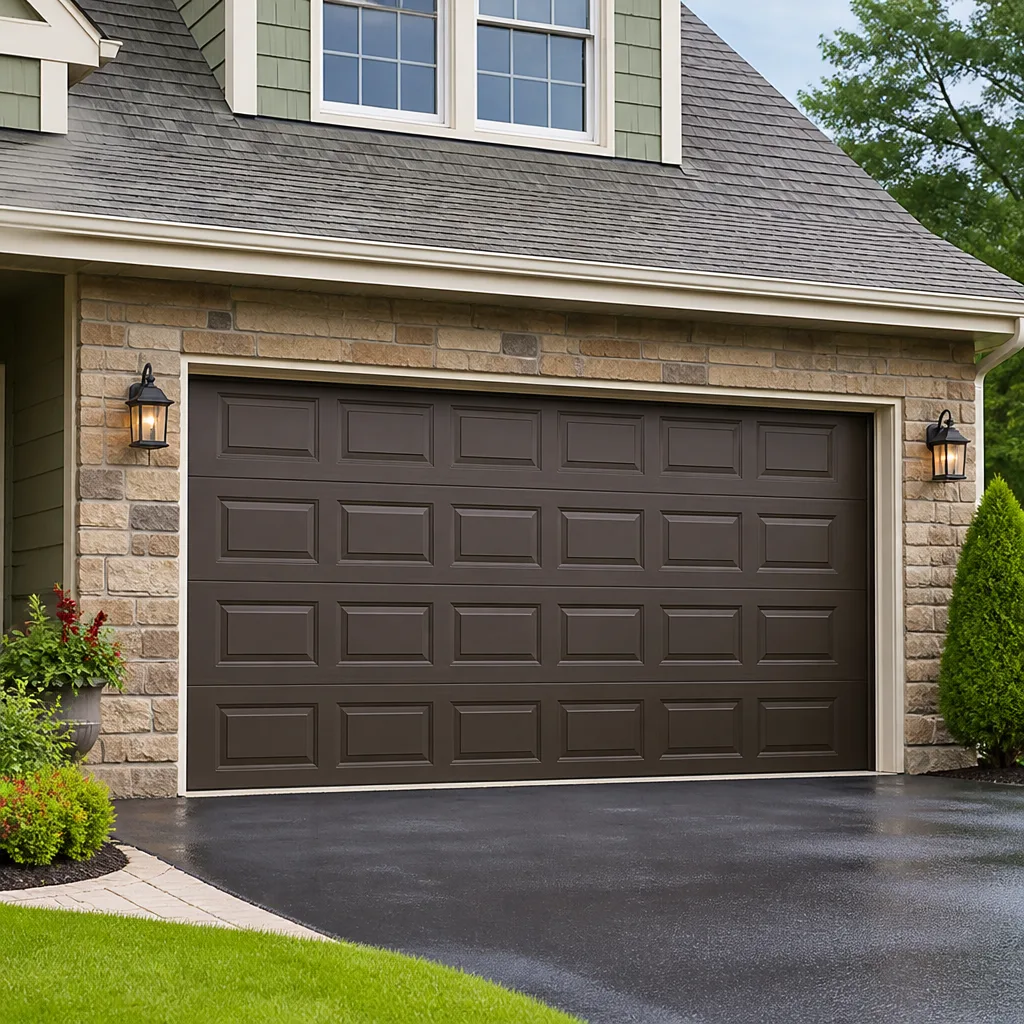 Raised-panel steel
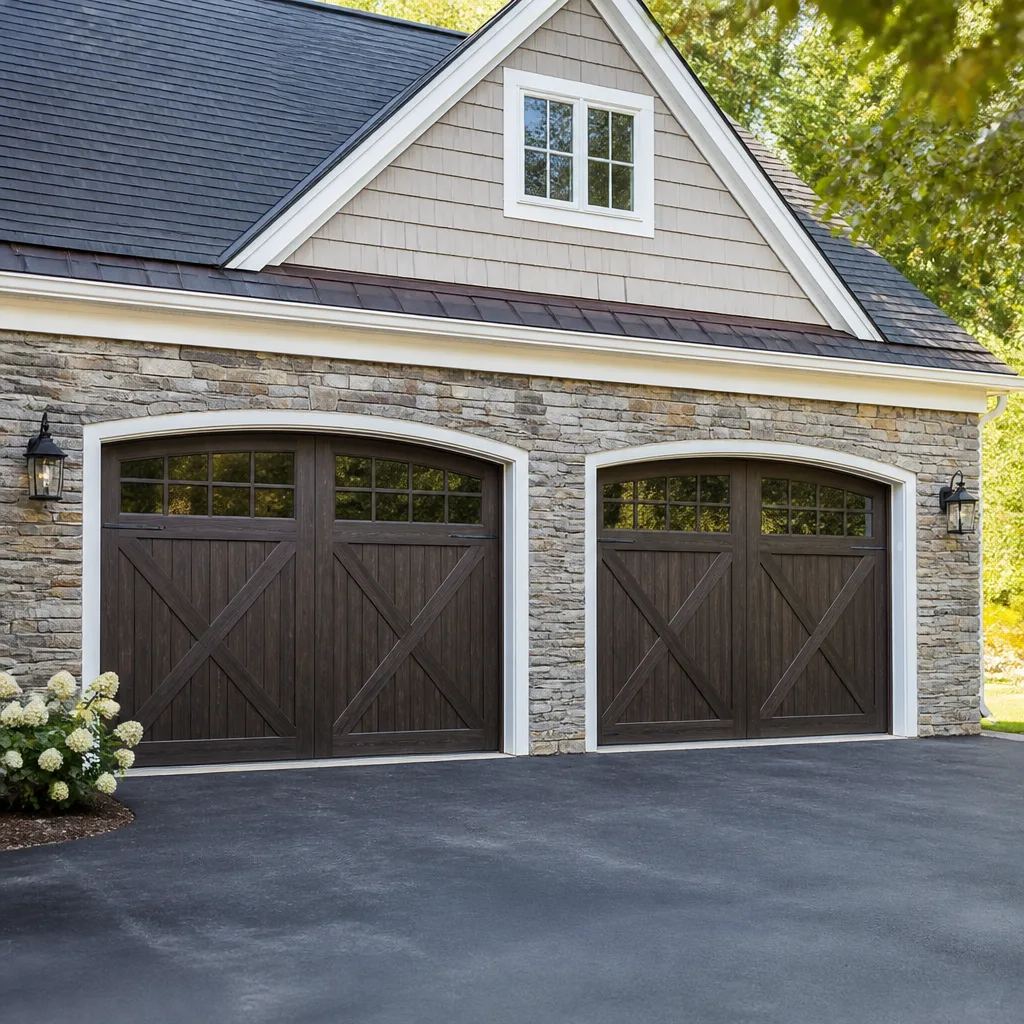 Carriage house
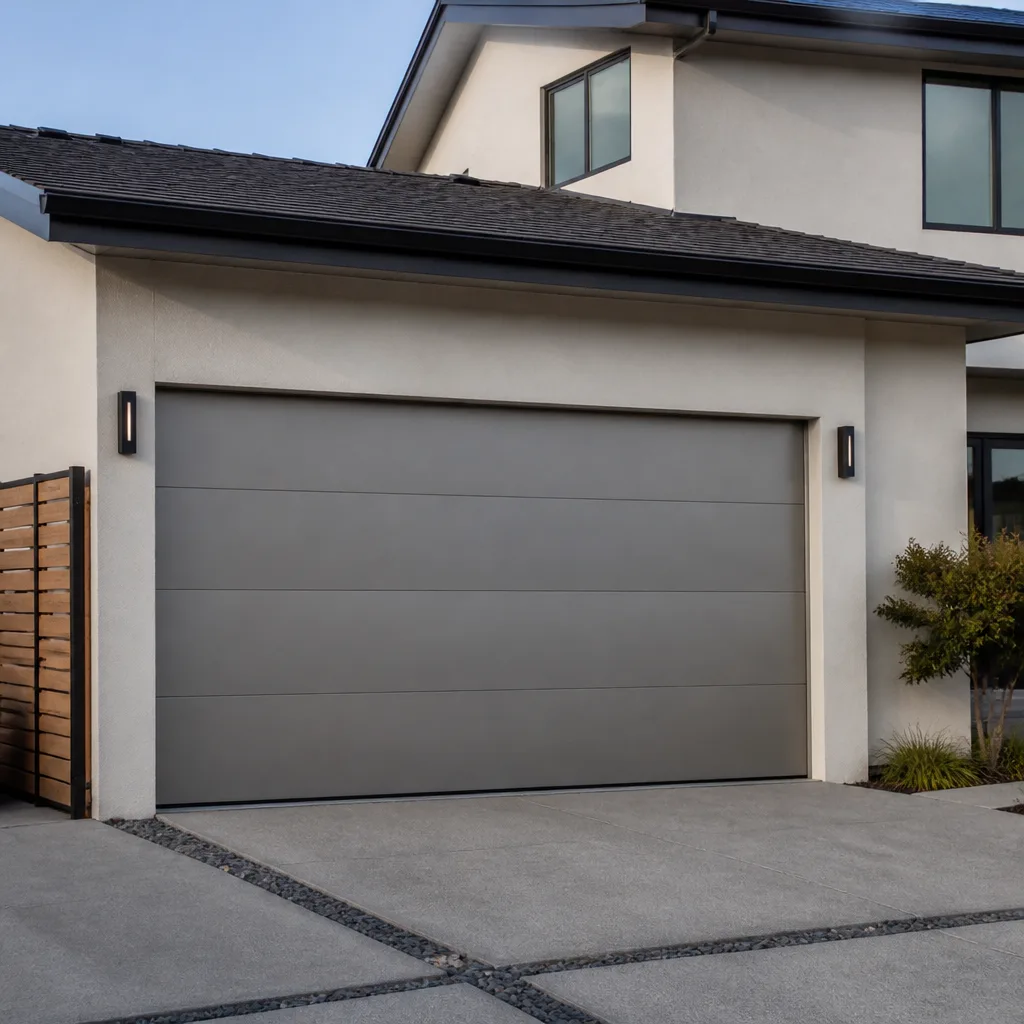 Modern flush
 Full-view glass
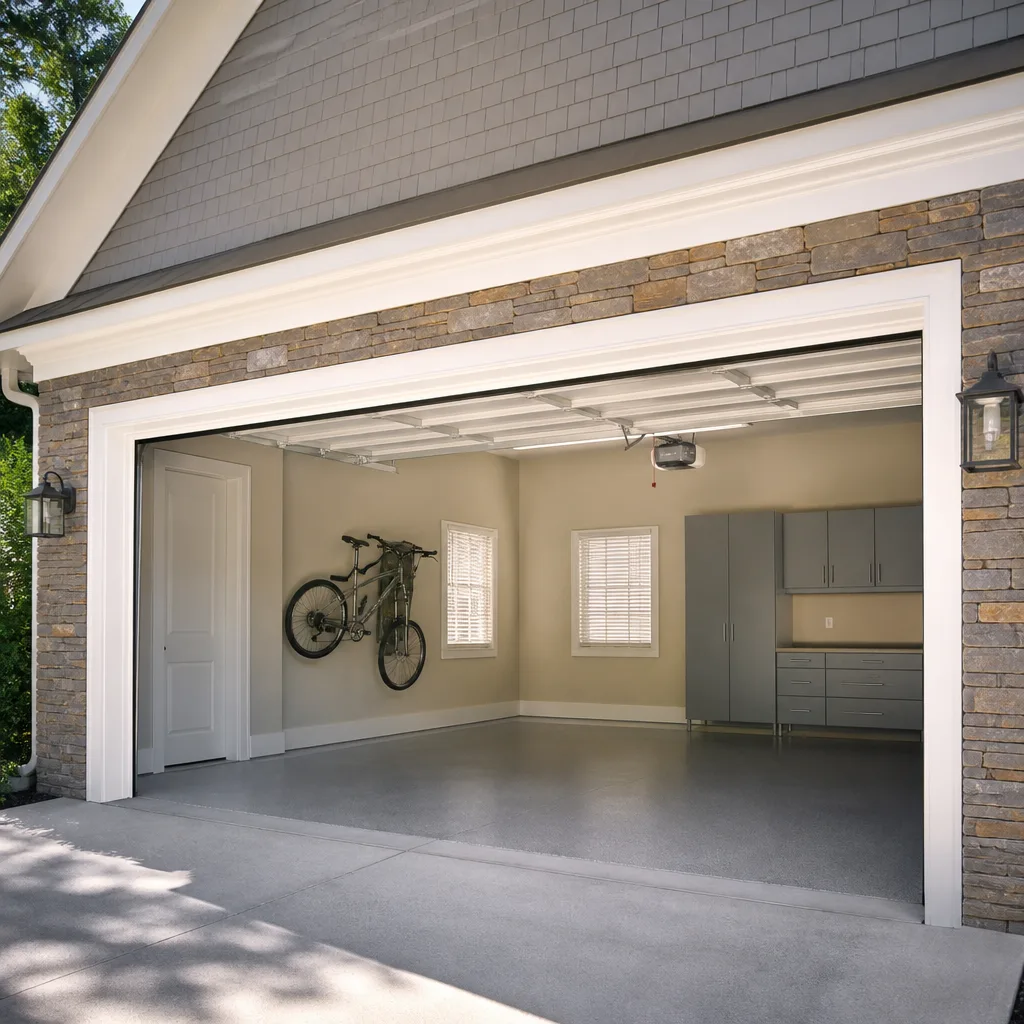 LiftMaster openers
 Chamberlain openers
Full 25-point door and opener safety check with every visit - springs, cables, rollers, tracks, and your LiftMaster or Chamberlain opener included
You get a price before we start. It does not change when the truck arrives.
Get your free estimateSeasonal Garage Door Care for Ontario: Year-Round Homeowner’s Guide
Here’s something most Ontario homeowners don’t realize until it’s too late: the months they skip garage door maintenance – July, August, September – are the exact months when heat-expanded metal tracks cause the most off-track emergencies. A garage door that worked fine in February can bind, jump its rollers, or refuse to close by mid-August. That’s not random failure. It’s physics. This guide walks through what actually happens to garage doors in Ontario’s specific climate pattern – heat season, wind season, and the mild window between – and gives you a realistic, month-by-month maintenance plan that prevents the failures this region actually produces.
Styles & brands we work with
Quick Answer
Seasonal garage door care in Ontario, CA means three targeted checkups per year: a pre-summer prep in April before temperatures climb past 100°F, a peak-heat inspection in July when thermal expansion is at its worst, and a post-Santa Ana wind inspection in November to clear debris and re-check alignment. Between those, a quick January tune-up during the mild season keeps everything running through Ontario’s short winter. The single most important task is pre-summer track clearance adjustment – without it, heat-expanded rails are the leading cause of mid-summer off-track failures in this region.
Table of Contents
- The Ontario Climate Reality: Three Seasons, Not Four
- Pre-Summer Prep: April Maintenance That Prevents August Failures
- Peak-Heat Checks: July’s Thermal Expansion Problem
- Post-Santa Ana Inspection: November Wind and Debris Cleanup
- Mild-Season Tune-Up: January’s Quick Winter Check
- Opener Care in Extreme Heat: Why August Kills More Openers Than January
- Dust and Debris Management for East-Facing and Desert-Lot Doors
- What You Can Safely Do Yourself (And What You Shouldn’t)
- Common Mistakes to Avoid
- When to Call a Professional
- Frequently Asked Questions
- The Bottom Line
The Ontario Climate Reality: Three Seasons, Not Four
Ontario, CA sits in the Inland Empire, where the climate follows a pattern homeowners from other regions often misunderstand. You don’t get the four traditional seasons here. You get a long heat season from roughly May through October, a wind season that peaks in late fall with Santa Ana events, and a mild window from December through March where overnight lows dip but daytime temperatures stay comfortable. Garage door maintenance that follows a New England or Midwest calendar – where you winterize in October and do a spring tune-up in March – misses what actually damages doors in this specific environment.
The real threats to an Ontario garage door are thermal expansion, wind-driven dust, and sun damage to electronics. Cold-weather issues like frozen seals and brittle springs are rare here. But heat is relentless. In neighborhoods like Edenglen, Archibald Ranch, and the historic downtown district, doors face direct afternoon sun that pushes metal track temperatures well above the air temperature. A track that reads 110°F on an air-temperature day of 98°F has expanded enough to change roller clearance. That’s the reality we work with at Daybreak Garage Door Repair home – and it’s why our seasonal advice for Ontario looks different from generic garage door guides.
This guide is built around the three real seasons: pre-summer prep, peak-heat monitoring, and post-wind inspection. If you do nothing else, do those three. The January check is a bonus that catches small issues early during the mild window when garage door work is least urgent.
Pre-Summer Prep: April Maintenance That Prevents August Failures
If there’s one maintenance window that matters most in Ontario, it’s April. By late April, daytime temperatures are climbing into the 80s and 90s, and you have roughly six to eight weeks before the real heat arrives. That’s your window to set the door up for thermal success. Here’s the step-by-step pre-summer checklist we recommend for every Ontario homeowner:
- Check track clearance while the door is cool. Open and close the door manually (pull the release cord) and watch the rollers move through the vertical and horizontal tracks. Listen for scraping or binding. The gap between roller and track should be consistent. If it’s already tight in April, it will be a problem by July.
- Lubricate rollers, hinges, and springs. Use a silicone-based or lithium-based spray, not WD-40. Ontario’s dry heat means lubricant evaporates faster than in humid climates. Reapply before summer, not after it starts.
- Tighten all visible hardware. The constant expansion-contraction cycle of Ontario’s heat season loosens bolts and screws over time. A wrench passed over the track brackets, hinge plates, and opener rail now prevents rattles and misalignment later.
- Test the safety reversal system. Place a 2×4 flat on the ground under the door and close it. The door should reverse within two seconds of contact. This is a code-required safety feature, and testing it now takes 30 seconds.
- Clean the photoelectric sensors. Summer dust has not yet built up, so this is the best time to wipe the sensor lenses with a dry microfiber cloth and verify the alignment. Misaligned or dirty sensors are a top reason doors refuse to close.
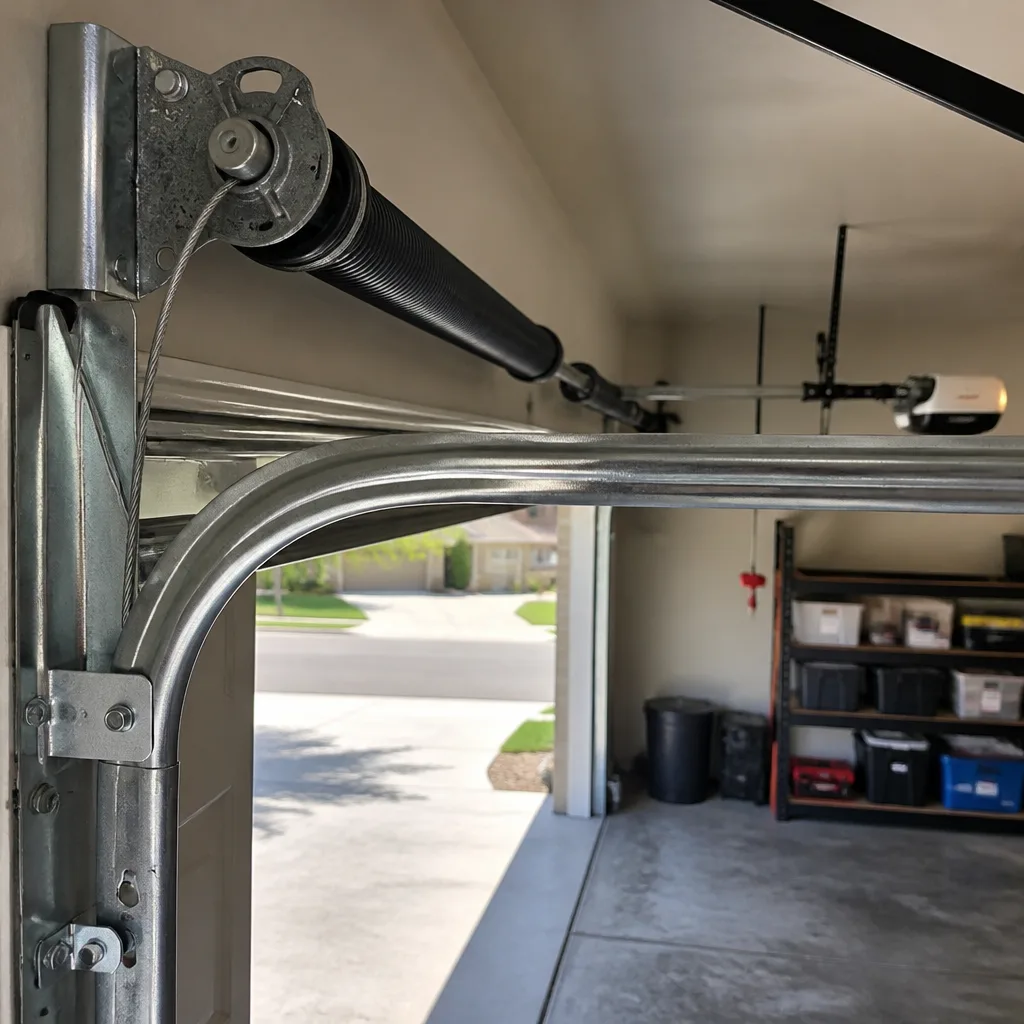
The single pre-summer task that prevents the most common summer emergency call in Ontario is checking and correcting track clearance. When July temperatures push metal rails past 110°F, the expansion reduces available clearance. A door with tight rollers in April will go off-track in August. A door with proper clearance in April generally weathers the heat without a service call.
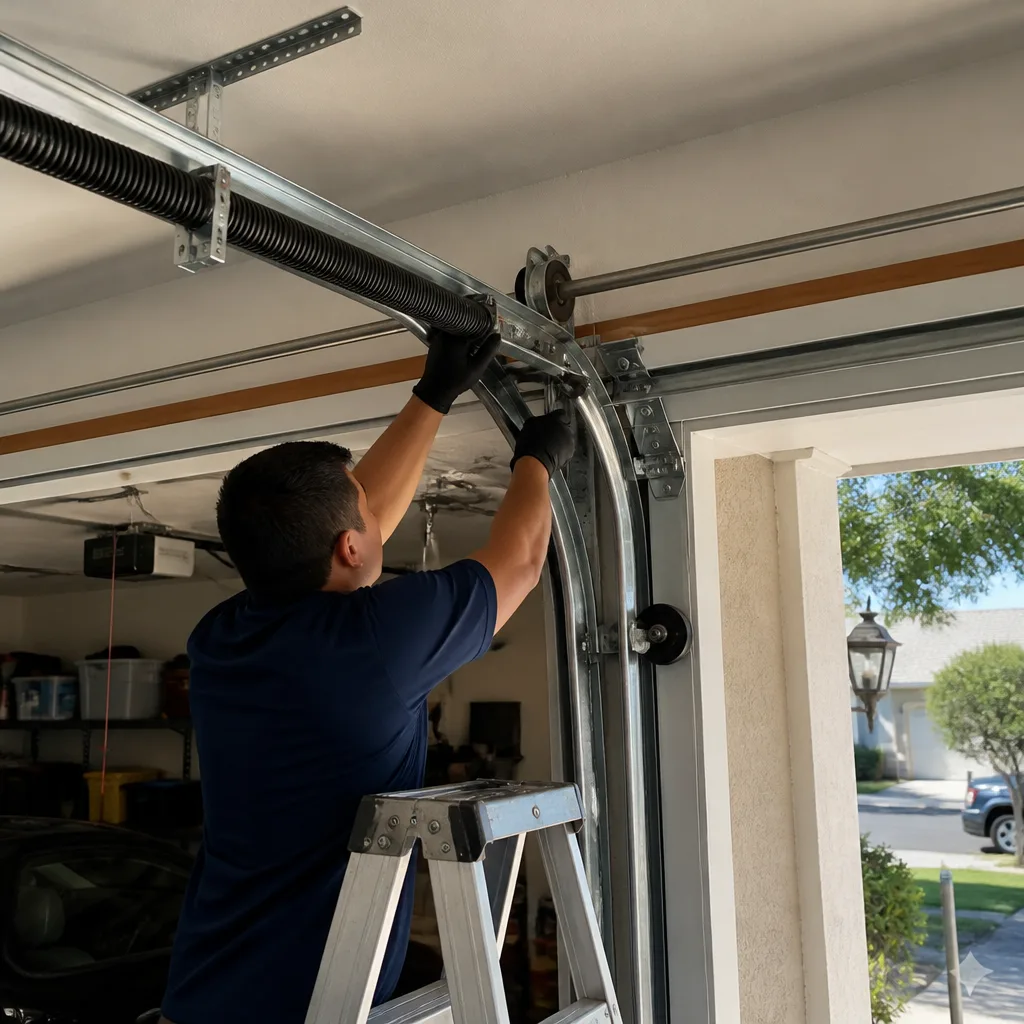
If you’re not comfortable on a ladder or don’t have the tools, garage door repair in Ontario is a straightforward service call. A pre-summer inspection takes under an hour and costs far less than an emergency off-track repair in July.
Peak-Heat Checks: July’s Thermal Expansion Problem
By July, Ontario is in peak heat season. Air temperatures routinely exceed 100°F, and surfaces exposed to direct sun – including dark-colored garage door tracks, panels, and opener housings – run 15 to 30 degrees hotter. Metal expands when heated. Steel track rails expand along their length, and when both vertical tracks expand upward while the horizontal tracks expand forward, the geometry of the entire door system shifts slightly. It’s not much – often a fraction of an inch – but roller clearance in a properly adjusted door is measured in fractions of an inch.
Here’s what to check during a July heat wave:
- Listen for grinding or metallic squealing during operation. This often signals that expanding tracks are pinching the rollers. Address it before the roller pops out of alignment.
- Watch for hesitation at specific points in travel. If the door pauses or noticeably slows when passing a certain spot on the track, that’s the expansion point. Mark it mentally and report it to a technician if it worsens.
- Check the door in the late afternoon. Heat peaks between 3 and 5 PM in Ontario. Test the door at its hottest point of the day, not in the morning when it’s still relatively cool. A door that works at 8 AM can bind at 4 PM.
- Look for gaps between the door and the weather seal. Thermal expansion can bow door sections, especially on steel doors from brands like Clopay and Wayne Dalton. Gaps let hot air and dust in.
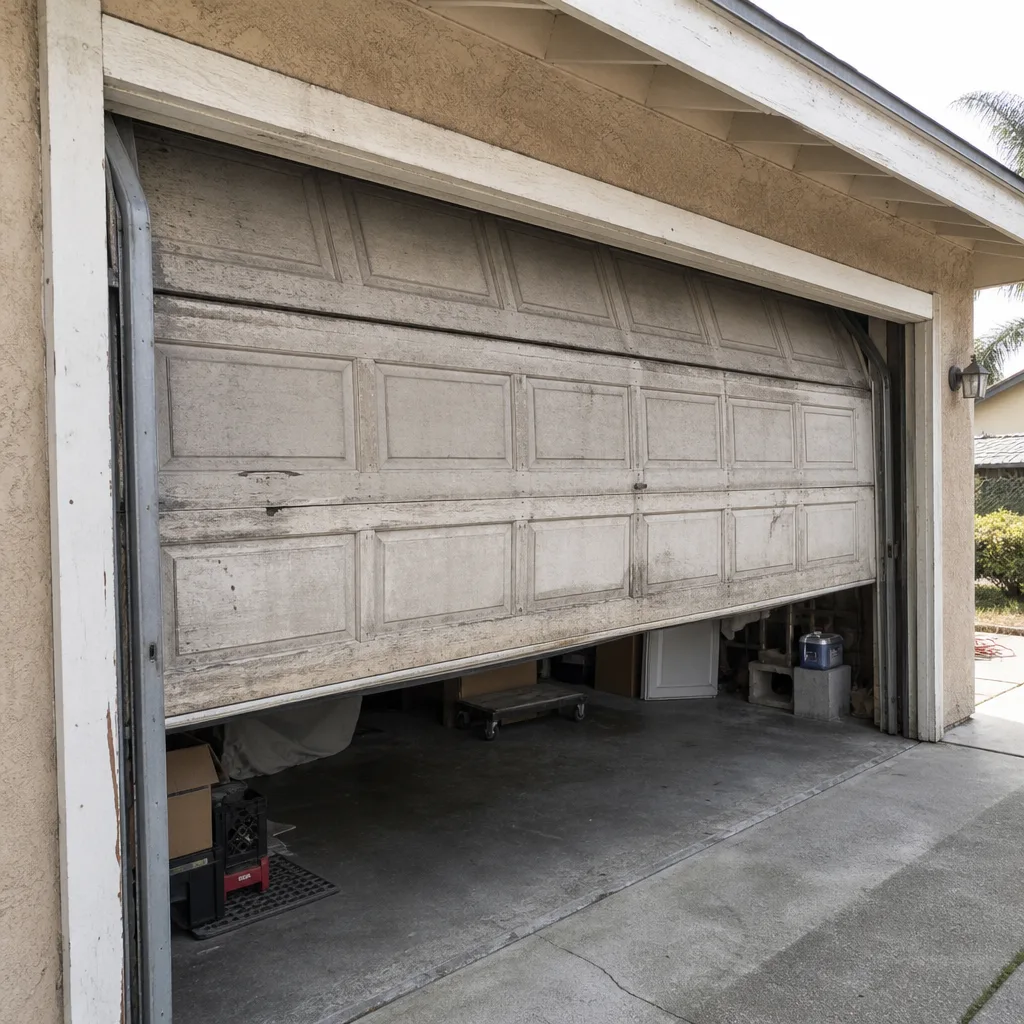
If your door goes off-track in July, do not force it. A door hanging partially on its track puts extreme tension on springs and cables. High-tension garage door springs and cables are dangerous components that can cause serious injury if mishandled. Call a professional. Our team handles garage door repair in Ontario throughout heat season, and we stock parts for the brands most common in this market.
The good news: most heat-related track failures are preventable with the April clearance check described above. The bad news: homeowners who skip that check are the ones who call us in August wondering why their door suddenly jumped its track on a 105°F afternoon.
Post-Santa Ana Inspection: November Wind and Debris Cleanup
Santa Ana winds are Ontario’s fall weather signature. These dry, gusty winds blow out of the northeast, channeling through the Cajon Pass and into the Inland Empire, often at speeds between 30 and 60 mph with higher gusts. They carry sand, dust, and fine debris. They also test every moving part on your garage door.
After a Santa Ana wind event – or by mid-November as a general rule – do this inspection:
- Clean the tracks thoroughly. Wind-driven dust settles inside the track channels and mixes with existing lubricant to form an abrasive paste. Wipe the tracks with a dry cloth, then reapply lubricant. Do not use wet cleaning methods on steel tracks; moisture invites rust.
- Inspect the weather seal along the bottom and sides. High winds can pull seals loose or wear them down. A compromised seal lets dust, leaves, and vermin into the garage during the winter dry season.
- Check for wind damage to panels. Santa Ana gusts can flex overhead door panels. Look for dents, cracks, or separation at panel joints. Panels compromised by wind stress will fail faster under repeated opening cycles.
- Verify the door remains square. Close the door and check the gap between the door bottom and the floor on both sides. Uneven gaps after wind season suggest track misalignment or damaged hinges.
- Clear any debris from the opener rail and chain or belt. Fine dust works into the drive mechanism and accelerates wear. If you have a belt-drive opener, check the belt tension; a loose belt after high winds is a sign it needs adjustment.
November is also a smart time to schedule any deferred maintenance before the mild season. Wait times for garage door repair in Ontario are shortest during the fall, and addressing minor issues now prevents them from becoming urgent problems in the new year.
Mild-Season Tune-Up: January’s Quick Winter Check
Ontario’s mild season runs roughly December through March. Daytime highs sit in the 60s and 70s, overnight lows occasionally touch the 40s, and rain is infrequent. This is the easiest time of year on a garage door – which makes it the ideal time to do preventative work when nothing is actively failing. A January tune-up is about catching small issues before they become summer emergencies. It’s also when garage door companies have the most scheduling flexibility.
Your January checklist:
- Run a full open-close cycle and listen. A quiet door in January is a healthy door. Any new squeak, rattle, or hesitation deserves attention while it’s still minor.
- Check spring balance. Pull the red release cord and manually lift the door to waist height. It should stay in place. If it drops or rises, the springs need adjustment. Do not attempt spring adjustment yourself – the tension on garage door springs is lethal if released incorrectly.
- Inspect cables for fraying. Look at both lifting cables where they attach to the bottom brackets. Fraying is visible long before failure. Replace at first sign.
- Test the auto-reverse one more time. You did this in April, but a second annual test catches mid-year sensor drift or sensitivity changes.
- Clean the door surface. Ontario’s dry winter air combined with occasional rain leaves water spots and dust film on panels. A wash with mild soap and water keeps door finishes looking right – especially important for wood-look panels from Amarr or Clopay.
This is also a good time to consider whether your door is due for replacement. If you’re noticing recurring repair issues, or if your door is more than 15 years old, January is an excellent month to evaluate garage door installation in Ontario. The mild season means no urgency, which means time to compare options and schedule an installation at your convenience.
Opener Care in Extreme Heat: Why August Kills More Openers Than January
Homeowners in cold climates worry about garage door openers failing in winter – motors struggling against cold, batteries draining in low temperatures. Ontario has the opposite problem. We see more opener failures in August than any other month, and the cause is heat. Not cold. Heat builds inside the operator housing, degrades the internal circuit boards, and drains the backup battery faster than normal. A garage that reaches 110°F or higher in summer turns the opener unit itself into an oven. Electronics hate ovens.
Here’s what to do for your opener during heat season:
- Check the opener’s internal battery if you have a smart-enabled model. LiftMaster, Chamberlain, Genie, and Craftsman all make openers with battery backup or Wi-Fi-connected smart features. Heat accelerates battery degradation. If your opener is three years old or older and lives in a hot garage, have the battery tested before peak heat.
- Verify the opener’s ventilation is unobstructed. Many opener housings have small vent slots that shed heat. If dust or cobwebs block them, the unit runs hotter. A quick visual check takes seconds.
- Reprogram or re-pair remotes and keypads if connections drop. Extreme heat can interfere with radio frequency signals. If your remote works intermittently during heat waves but fine at night, heat is the likely culprit.
- Listen for a slow or labored motor. Heat increases electrical resistance in the motor windings. A motor that runs hot will sound strained. That’s a warning sign of upcoming failure.
When an opener fails, homeowners often assume they need a new one. That’s not always true. Our garage door opener repair in Ontario service covers circuit board diagnostics, gear replacement, sensor repair, and remote programming – often for less than a full replacement. The key is catching failure signals early. A noisy or intermittent opener in August deserves attention before it stops entirely.
Dust and Debris Management for East-Facing and Desert-Lot Doors
If your garage door faces east, or if your property backs up to open desert land or undeveloped fields, you have a dust problem that most Ontario homes don’t face to the same degree. East-facing doors take morning sun, but more importantly for maintenance, they take the full force of wind patterns that move westward through the city. Desert-facing lots in neighborhoods near the Ontario Ranch area or along the northern edges of the city collect fine, powdery dust that works its way into every moving component.
Dust does three things to a garage door system:
- It creates abrasive paste in the tracks. When dust mixes with track lubricant, the result is a gritty slurry that wears down rollers and track surfaces. Rollers should glide; with paste in the tracks, they grind.
- It clogs the photoelectric sensors. A thin dust film on sensor lenses disrupts the infrared beam. The door refuses to close, and the homeowner assumes an electrical problem. The fix is often just a lens wipe.
- It accelerates roller bearing wear. Sealed roller bearings protect against dust ingress, but most stock rollers are unsealed. Dust gets inside, the bearing degrades, and the door gets progressively noisier.
Our recommendation for dust-exposed doors: add a quarterly track-cleaning cycle to the seasonal schedule. For most Ontario homes, the April-July-November pattern is sufficient. For east-facing or desert-adjacent lots, add a quick track wipe and sensor clean in September as well. We also recommend upgrading to sealed-bearing nylon rollers when it’s time for roller replacement. The stock steel rollers that come with many doors from Clopay, Amarr, Wayne Dalton, and Craftsman work fine, but sealed nylon rollers last significantly longer in dusty conditions.
What You Can Safely Do Yourself (And What You Shouldn’t)
Most of the seasonal maintenance in this guide is safe for a homeowner with basic tools and a comfortable ladder. Cleaning tracks, tightening bolts, lubricating rollers, testing safety reversal, wiping sensors, inspecting cables visually – all of that is fair game. But there are components on a garage door system where DIY work crosses from “reasonable maintenance” into genuine danger.
Never attempt to adjust, remove, or replace garage door springs. Torsion springs and extension springs are under enormous tension. A spring that releases unexpectedly can deliver a blow that kills. Even experienced technicians treat these with full safety protocols. If your door balance is off, the springs need adjustment, and that is a professional job, period.
Never attempt to replace or re-tension lifting cables. The cables that run alongside the door work with the springs to hold the door’s weight. They’re under the same dangerous tension. Fraying cables should be replaced by a technician.
Be cautious around the opener’s electrical connections. Disconnect power before any inspection that involves wiring or circuit boards. If you’re not sure what you’re looking at inside the opener unit, leave it alone.
If you notice any of the dangerous-component warning signs in this guide – frayed cables, unbalanced door, visible spring damage – that’s a call to a professional. Our team at Daybreak handles spring replacement, cable replacement, and all high-tension work as a routine part of garage door repair in Ontario. We’d rather you call than risk an injury.
Common Mistakes to Avoid
- Lubricating the door with WD-40. WD-40 is a solvent, not a lubricant. It cleans off existing lubrication and leaves metal parts drier than before. Use a silicone or lithium-based garage door lubricant in Ontario’s dry climate.
- Skipping the April track check because “the door works fine.” This is the exact reasoning that leads to August off-track calls. The time to catch heat-related track issues is before the heat, not during it.
- Testing the door only in the morning. Ontario doors bind in the afternoon when heat peaks. If you only test at 8 AM, you’ll miss the problem until the door actually fails at 4 PM on a hot day.
- Ignoring a noisy door. Squeaks, grinding, and rattling are not normal. They’re early warning signs of roller wear, track misalignment, or spring fatigue. Ontario’s dry air makes these sounds worse because lubrication thins out faster.
- Forcing the door when it stops mid-travel. If the door refuses to close or stops partway, forcing it risks compounding the damage. Release the opener and call a professional rather than pushing through the resistance.
- Cleaning sensors with glass cleaner and a paper towel. Ammonia-based cleaners can cloud the plastic lens over time. Paper towels leave fine scratches. Use a dry microfiber cloth only.
- Replacing the opener when the problem is the door, or vice versa. A binding door stresses the opener and can burn out the motor. A failing opener can cause the door to operate erratically. Proper diagnosis matters. Our team covers both sides because they’re one interconnected system.
When to Call a Professional
Some garage door tasks are DIY-friendly. Others demand trained hands. Call a professional if you notice any of these specific conditions in your Ontario home: frayed or snapped lifting cables, a door that’s visibly unbalanced when released from the opener, cracks or separation in torsion springs, a door that’s jumped its track (especially a heavy double-wide door), or an opener that fails repeatedly despite fresh batteries and clean sensors. High-tension spring and cable work carries serious injury risk. A door that falls because of a failed spring can crush anything underneath it. If you’re in the Ontario area and any of these warning signs are present, Daybreak Garage Door Repair offers free estimates on repairs – call (877) 588-6760 and we’ll walk through what you’re seeing and whether it needs immediate attention.
Frequently Asked Questions
Three times a year is the realistic minimum for Ontario: once in April before summer heat, once in July during peak temperatures, and once in November after Santa Ana winds. Add a January tune-up during the mild season if you want the most thorough coverage. The April and November checks take about 30 minutes each. The July check is mostly observational – listening and watching for heat-related binding rather than active work. Call (877) 588-6760 if you want a professional seasonal inspection instead of doing it yourself.
Thermal expansion is the answer. When temperatures in Ontario climb past 100°F, the steel track rails expand and the clearance between roller and track shrinks. A door with marginal clearance in cool weather will bind, scrape, or go off-track in July heat. The fix is usually a track alignment adjustment that accounts for summer expansion. This is one of the most common garage door repair in Ontario calls we handle during heat season.
Yes. Santa Ana wind events in Ontario can reach 50 to 60 mph, which is enough to flex overhead door panels, loosen track brackets, pull weather seals loose, and drive fine dust deep into the track system. After a major wind event, check your door for visible panel damage, uneven bottom gaps, and excessive dust buildup in the tracks. Most wind damage is incremental – small issues that compound over multiple events if left unaddressed.
A silicone-based or white lithium spray lubricant designed specifically for garage doors is the right choice for Ontario’s dry heat. Avoid WD-40, which acts as a solvent and strips existing lubrication. Apply lubricant to rollers, hinges, springs, and the opener rail. Thin lubricant evaporates faster in hot, dry conditions, so reapplying before each heat season matters more here than in humid coastal climates.
A quality garage door opener in Ontario typically lasts 10 to 15 years, but extreme heat exposure can shorten that to 8 to 10 years for units installed in poorly ventilated garages. The heat degrades circuit boards and drains backup batteries faster than normal. August is when most openers fail locally. If your opener is more than 8 years old and acting unreliable during heat waves, start planning for replacement. For opener diagnostics and repair, see our garage door opener repair in Ontario page.
Spring and fall are both good windows for garage door installation in Ontario, but fall offers a slight advantage: short wait times, mild installation weather, and a fresh door heading into the mild season. Spring installation works well too if you schedule in April before peak heat arrives. Avoid scheduling replacement in July and August when installers are handling peak emergency volume and the heat makes extended outdoor work harder on both people and materials. Call (877) 588-6760 for a free installation estimate and a realistic timeline.
The Bottom Line
Ontario’s garage doors don’t fail on a typical seasonal calendar. They fail when heat expands metal past its clearance limits, when Santa Ana winds drive dust into every moving part, and when electronics overheat in August garages. If you do one thing after reading this guide, make it the April pre-summer track check. That single task prevents more emergency calls than anything else we recommend. Follow it with a July heat observation, a November post-wind cleanup, and a January mild-season tune-up, and your door will handle Ontario’s real climate without surprises. When something does go wrong – or when you’d rather have a professional handle the seasonal work – we’re here. Daybreak Garage Door Repair covers the full system: garage door repair in Ontario, garage door opener repair in Ontario, and garage door installation in Ontario. One call at (877) 588-6760 gets a free estimate, and we quote the price before any work starts.
Written by the team at Daybreak Garage Door Repair, serving Ontario since 2011.
See the difference
 Before
 After
 Before
 After
 Before
 After