
Last updated October 30, 2026
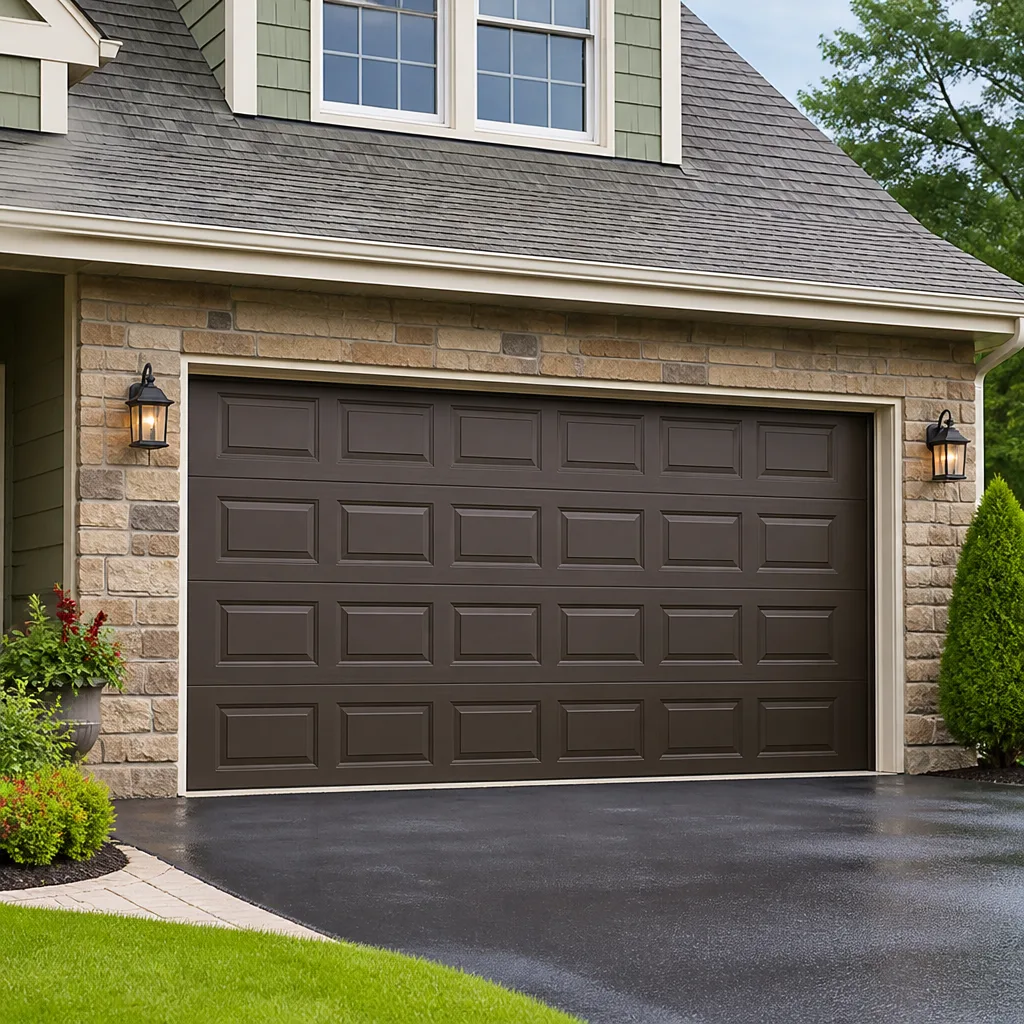 Raised-panel steel
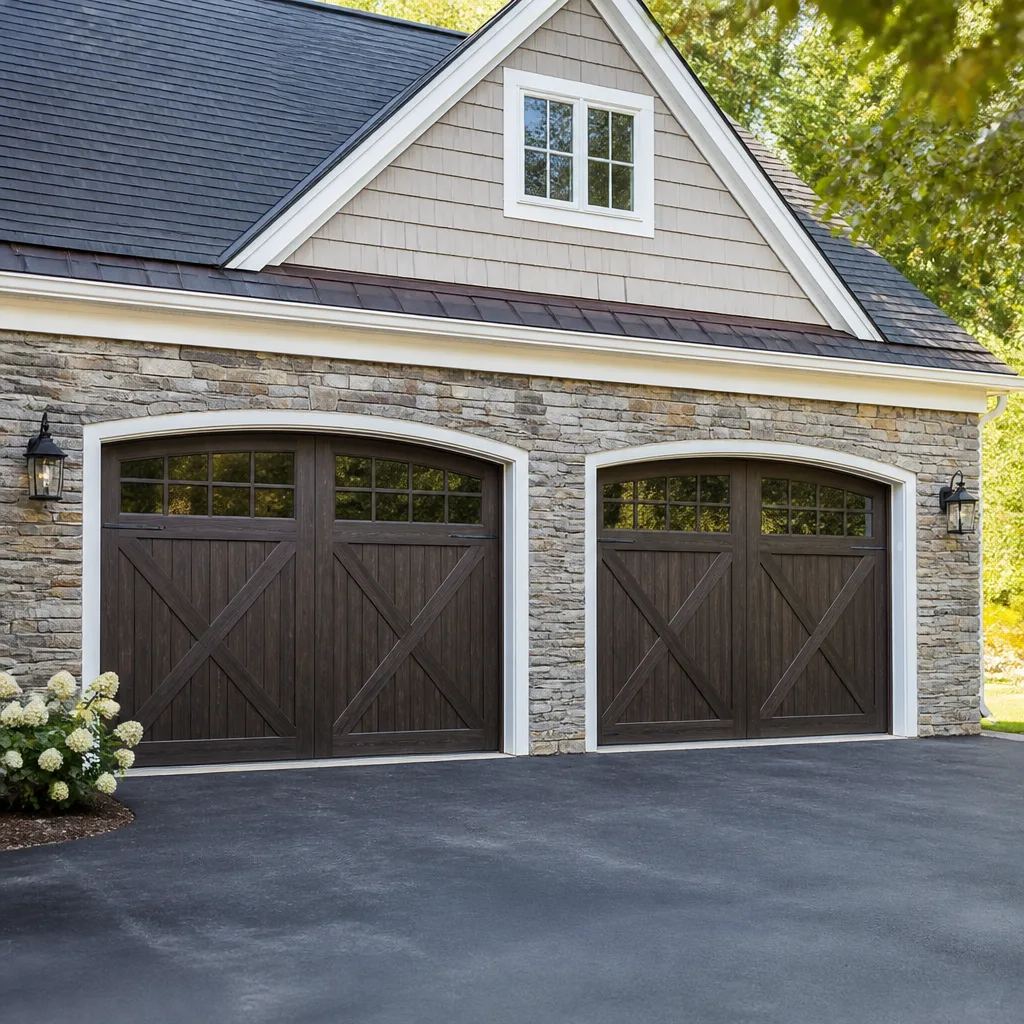 Carriage house
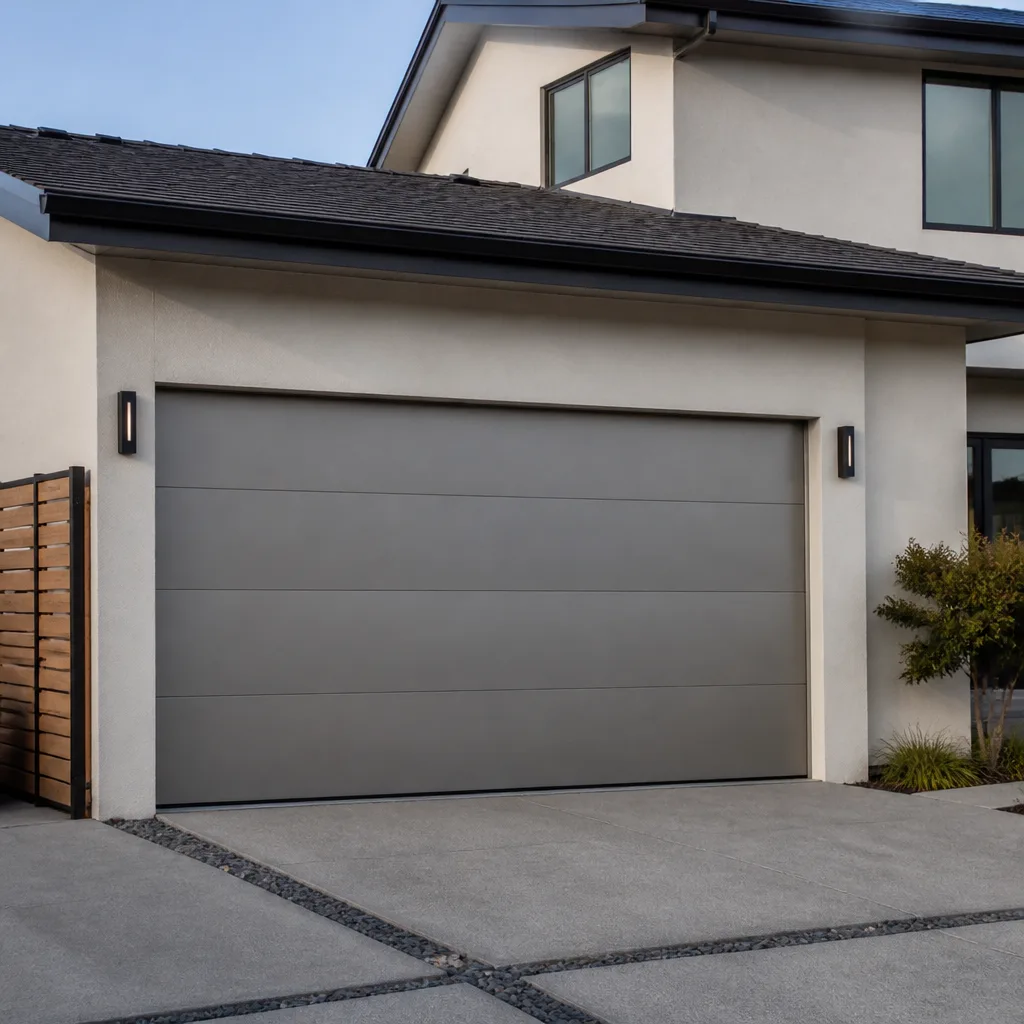 Modern flush
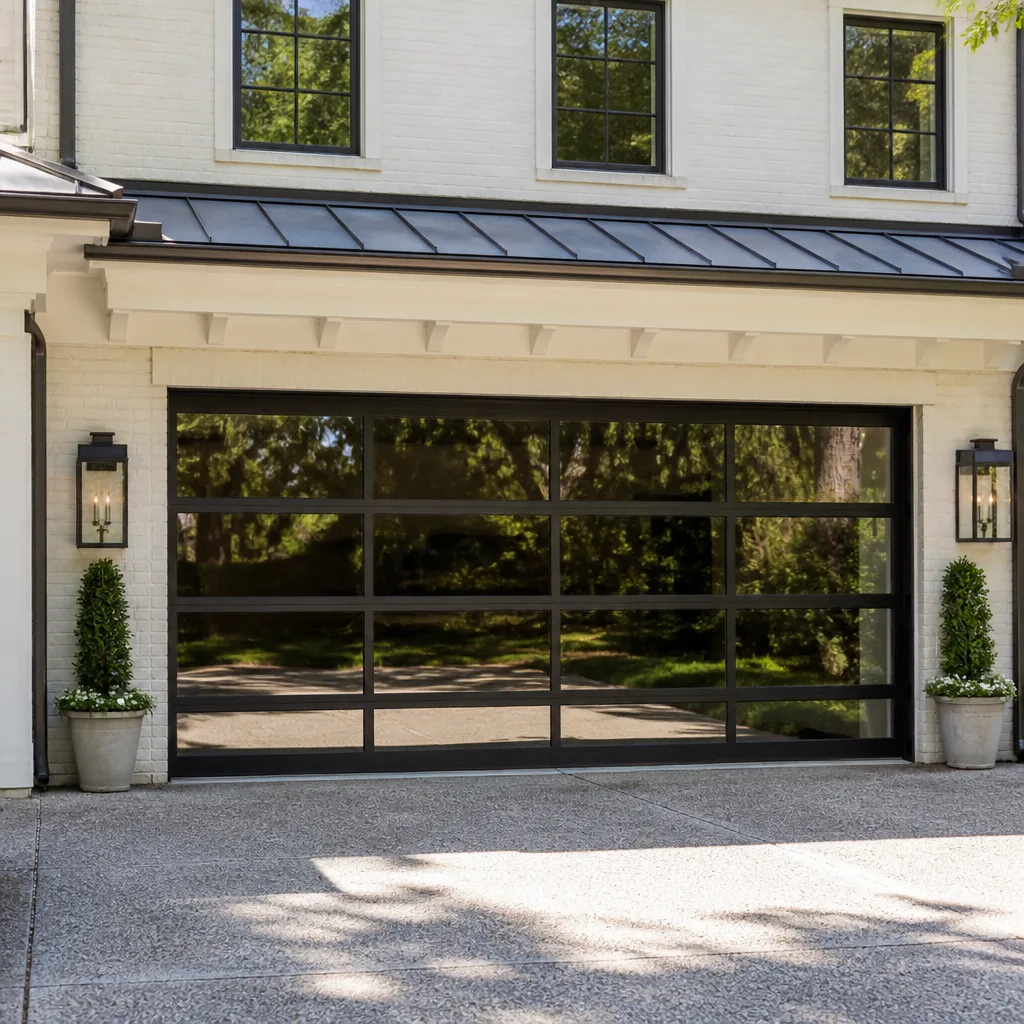 Full-view glass
 LiftMaster openers
 Chamberlain openers
Full 25-point door and opener safety check with every visit - springs, cables, rollers, tracks, and your LiftMaster or Chamberlain opener included
You get a price before we start. It does not change when the truck arrives.
Get your free estimateHow to Hire a Garage Door Contractor in Ontario: A Step-by-Step Guide
Most homeowners in Ontario only hire a garage door contractor once or twice in their lives, and usually on the worst possible day: the door is stuck half-open, the car is trapped inside, and everyone’s late for work. That urgency is exactly what low-quality operators count on. They quote, you pay, and the problem returns in eight weeks. This guide gives you a vetting process you can run in about 20 minutes, even mid-crisis, so the contractor who shows up at your Ontario home is qualified, licensed, insured, and actually knows how to fix your specific door. For more guides & resources, see our blog.
Styles & brands we work with
Quick Answer
To hire a garage door contractor in Ontario, verify their California contractor license through CSLB’s online portal, confirm they carry liability and workers’ compensation insurance, ask five specific diagnostic questions (including your door’s brand, height, and spring type), get a written estimate with line-item pricing before work begins, and choose a company with documented experience on your specific door brand. If you’re mid-emergency, the same process still applies. It just moves faster.
Table of Contents
- Step 1: Verify License and Insurance Before You Say Yes
- Step 2: Ask These Five Questions Before Booking
- Step 3: Read the Written Estimate Like a Contractor Would
- Step 4: Evaluate Brand Expertise Beyond the Sales Pitch
- Step 5: Understand Ontario’s Climate and Code Realities
- Step 6: Red Flags That Disqualify a Contractor in Minutes
- Common Mistakes to Avoid
- When to Call a Professional
- Frequently Asked Questions
- The Bottom Line
Step 1: Verify License and Insurance Before You Say Yes
In California, anyone performing garage door repair or installation work valued at $500 or more in labor and materials must hold a valid contractor’s license issued by the Contractors State License Board (CSLB). This applies to every contractor operating in Ontario, whether they’re servicing a house in the Creekside neighborhood or a commercial building off Milliken Avenue. The check takes under five minutes and eliminates a surprising number of callers who advertise on local listings without the legal right to work.
Here’s how to verify a contractor in three moves:
- Look up the license number. Go to the CSLB website and use the “Check a License” tool. Enter the number the contractor gives you. Confirm the license is active, not expired or suspended.
- Match the name and address. The name on the license must match the company doing the work. If the contractor gives you a license number registered to a different business name, stop and ask why.
- Check workers’ compensation status. If the contractor sends employees to your Ontario home, they must carry workers’ comp. The CSLB shows this status. If the policy lapsed yesterday and a tech gets hurt on your property today, that liability can land on you.
Beyond the license, ask for a certificate of insurance directly from the insurer if you’re hiring for an installation rather than a repair. The certificate should list general liability coverage. A contractor who hesitates to provide this isn’t necessarily uninsured, but the hesitation is information. We routinely send proof of insurance when homeowners in Ontario ask, and it takes us about four minutes to pull up the certificate.
Step 2: Ask These Five Questions Before Booking
The difference between an experienced door technician and a generalist who “also does garage doors” shows up in the first five minutes of a phone call. The questions below are fast to ask and hard to fake. A contractor who answers with specifics is thinking about your door. One who answers with sales language is thinking about your wallet.
- “What brand of door do you see most often in Ontario?” Experienced techs will name residential heavyweights you recognize: Wayne Dalton, Clopay, Amarr. If they say “all of them” without pause, push for a second favorite. A specialist can tell you why a Wayne Dalton TorqueMaster spring system behaves differently than a Clopay torsion setup.
- “Do you need to know my door’s height and weight before quoting a spring repair?” The answer is always yes. Spring pricing depends on door height, weight, and spring cycle rating. A contractor who quotes a spring over the phone without asking these questions is guessing. You will pay the difference at the end.
- “Which opener brands do you service?” Look for specific names: LiftMaster, Chamberlain, Genie, Craftsman. These four dominate the Ontario drive-system market, and a contractor who supports all of them saves you a second call later.
- “Can you write up the estimate before starting any work?” The answer must be yes. No exceptions. A contractor who wants to start working before pricing anything is running on trust, and trust doesn’t protect you.
- “What’s your warranty, and is it in writing?” Parts and labor warranty terms should be stated clearly. If the contractor stumbles, get it written on the estimate before signing.
Five questions. About four minutes. That’s the whole pre-screening process.
Step 3: Read the Written Estimate Like a Contractor Would
A legitimate written estimate in Ontario should look like a restaurant receipt: every line item priced individually, with a clear total at the bottom. Contractors who price by “job” rather than by item are hiding margin, and margin isn’t the problem. The problem is that a bundled price makes it impossible to compare bids or push back on any single charge.
A complete garage door repair estimate typically includes:
- Diagnosis. Sometimes listed as a service call fee, often waived if the repair proceeds.
- Parts. Specific parts with brand names where applicable: a Clopay bottom seal, a Genie circuit board, a pair of torsion springs.
- Labor. Usually a flat rate or hourly rate, stated up front.
- Disposal. If the job involves removing an old door or opener, disposal should be a line item.
- Tax. Mandatory and non-negotiable.
Red flags for price padding include vague descriptions like “door hardware” instead of specific part names, a single bundled number with no breakdown at all, and “miscellaneous” as a line item. Another tell: the contractor doesn’t separate parts from labor. That structure makes comparison shopping nearly impossible for a homeowner in Ontario who’s trying to make a fast decision.
At Daybreak Garage Door Repair, every estimate we provide in Ontario is itemized before any work begins, and we quote the price before we touch the door. If the final number doesn’t match the estimate, that’s on us, not you.
Step 4: Evaluate Brand Expertise Beyond the Sales Pitch
Plenty of contractors say they service “all brands.” A smaller number can actually back that up, and the ones who can’t usually blur the line between “installed once” and “know thoroughly.” Our Choosing the Right Garage Door Brand: A Buyer’s Guide for Ontario can help you understand what separates proven expertise from marketing claims. If your Ontario home has a Wayne Dalton door with a TorqueMaster spring inside the tube, you want a technician who has rebuilt that system before, not someone who’s about to watch a YouTube tutorial in your driveway.
Here’s how to probe for real brand expertise:
- Ask about your specific door model. If you know it, use it. “Have you worked on Clopay 4050 doors before?” A real answer sounds like: “Yes, those use a specific bracket assembly that weakens over time.” A generic answer sounds like: “We service all Clopay doors.”
- Ask which opener brand they see most often in Ontario. The answer across Southern California skews heavily toward LiftMaster, Chamberlain, and Genie. A tech who mentions specific board failures or logic board symptoms knows these units from the inside.
- Ask whether they stock parts for your brand locally. Amarr and Wayne Dalton components aren’t always interchangeable with generic hardware. A contractor who stocks or sources brand-specific parts is a contractor who completes the job on the first visit.
Our team at Daybreak Garage Door Repair works across eight of the most common residential door and opener brands, including the ones we mentioned above. That matters when a homeowner in Ontario reports a Genie opener that won’t respond to the wall console, and the first diagnosis wins or loses the whole job.
Step 5: Understand Ontario’s Climate and Code Realities
Ontario sits in a semi-arid region of Southern California, which means the heat does more damage than the rain. Garage door springs in Ontario fail faster in the summer than in the winter. High temperatures accelerate metal fatigue, and torsion springs rated for 10,000 cycles can lose tension quicker when they’re cycling daily in triple-digit heat. See our Seasonal Garage Door Care for Ontario: Year-Round Homeowner’s Guide for maintenance tips that extend spring life.
This climate reality matters for hiring because it changes what to look for:
- Spring cycle ratings. If you’re replacing springs in Ontario, ask about cycle life. Standard springs are rated around 10,000 open-close cycles. High-cycle springs double that. In a hot climate where doors open and close multiple times per day, the upgrade often pays for itself in lifespan.
- Seal condition. The dry air and dust common in the Inland Empire wear out bottom seals faster than homeowners expect. A contractor who checks your weather seal during a spring replacement is doing you a favor, not padding the bill.
- Code compliance. California has adopted specific standards for garage door openers, including battery backup requirements for newly installed openers under certain conditions. A knowledgeable contractor in Ontario will mention this during an opener installation rather than skipping it to save a buck.
These aren’t things every contractor brings up, because they’re not required to bring them up. But they’re the difference between a repair that lasts three years and one that lasts nine.
Step 6: Red Flags That Disqualify a Contractor in Minutes
Some contractors fail slowly. Others fail fast. These are the fast-fail signals we’ve learned to recognize, and they apply to anyone you’re considering for garage door work in Ontario.
- No physical address. A contractor who only exists as a phone number and a Google listing has no footprint. That’s a problem when you need warranty work.
- Pricing by the hour without an estimate. Hourly pricing is normal for some trades, but a garage door contractor who can’t estimate a spring replacement before arriving doesn’t know enough about the job to price it.
- Refusing to show a license. In California, this is disqualifying. Full stop.
- Pressure to decide immediately. A legitimate contractor gives you the number and lets you think. An operator who needs a yes before hanging up is afraid you’ll check something.
- No written warranty. Verbal promises disappear. If the warranty isn’t on paper, it isn’t a warranty.
We’ve heard from Ontario homeowners who hired based on a first-page Google ad, only to discover the company was operating out of a rented van with no license displayed. The fix cost more than the original repair would have.
Common Mistakes to Avoid
- Hiring the first available contractor without checking anything. Urgency is the enemy of good hiring. A five-minute license check is faster than most garage door repairs themselves.
- Accepting a phone quote for spring replacement. Springs are sized to your door’s height, weight, and drum type. A legitimate quote requires a physical assessment or a detailed phone intake. If neither happens, walk.
- Choosing the lowest bid without comparing line items. A $199 spring replacement on a door that needs $60 springs and $100 in labor might be legitimate. Or it might be a recycled spring from a neighbor’s discarded door. Itemized bids reveal the difference.
- Skipping the workers’ compensation check. A technician injured on your Ontario property becomes your problem if the contractor doesn’t carry coverage. This takes 30 seconds to verify on CSLB.
- Deferring maintenance because the door still opens. Most door failures are slow, not sudden. A contractor only called during emergencies never gets the chance to catch small issues before they become big ones.
- Assuming all door brands behave identically. A Clopay door with extension springs and a Wayne Dalton with a TorqueMaster need different parts and different skill sets. The contractor who treats them as interchangeable is guessing.
When to Call a Professional
Garage door systems contain high-tension springs, heavy panels, and electrical components. Working on them without proper training can cause serious injury. Call a professional when your door won’t open or close properly, when you hear a loud bang from the spring area, when cables are frayed, when the opener logic board is misbehaving, or when the door is visibly off-track. Daybreak Garage Door Repair offers free estimates in Ontario. Call (877) 588-6760 and we’ll walk you through the process from diagnosis to final inspection.
Frequently Asked Questions
California requires garage door contractors to hold a C-61/D-28 or similar classification through the CSLB, and you can verify any license number through the CSLB’s online “Check a License” portal in about two minutes. The check confirms status, business name, workers’ compensation coverage, and any disciplinary actions on record.
Garage door repair in Ontario typically runs between $150 and $400 for common issues like broken springs, cable replacements, or sensor realignment, while full opener replacements can reach $800 or more depending on the opener’s brand and features. For a deeper breakdown, read The Complete Garage Door Repair Guide for Ontario Homeowners. The only way to get an accurate number for your specific door is an itemized written estimate.
Most reputable garage door contractors in Ontario offer same-day or next-day service for emergency repairs like broken springs or doors stuck open, but availability stretches thinner during summer months when heat-related failures spike. Same-day availability is common enough that it’s table stakes rather than a differentiator.
It shouldn’t, as long as the contractor did a proper phone intake and the physical inspection confirms what was described. The price is quoted and agreed before any work starts, and any deviation should be explained in writing before billing.
Most residential repair trucks carry the most common parts like springs, cables, rollers, sensors, and opener components, so a single-trip repair is typical in Ontario. For less common parts on specific door brands like Amarr or Wayne Dalton, the contractor may need to source from a supplier.
Across Ontario and the wider Inland Empire, Clopay, Amarr, Wayne Dalton, and Raynor are among the most installed residential door brands, and LiftMaster, Chamberlain, Genie, and Craftsman are the most common openers. A contractor with experience on all of these saves homeowners a second appointment when brands mix between door and opener.
The Bottom Line
Hiring a garage door contractor in Ontario comes down to five questions, one license check, and a written estimate. The contractor who passes all three stages in 20 minutes is a contractor worth the phone call. The one who can’t produce a license, can’t name your door’s brand, or wants to start work without a written quote is more expensive than any number they’ll put on paper.
At Daybreak Garage Door Repair home, we’ve built our entire service around this standard: we arrive early, answer the diagnostic questions before you ask them, and price everything in writing before we turn a wrench. For Garage Door Repair in Ontario, from a single broken spring to a full Garage Door Installation in Ontario, we’re ready. If your opener isn’t responding, we handle Garage Door Opener Repair in Ontario across the major brands. Call (877) 588-6760 for a free estimate, quoted up front, with no surprises and no pressure.
Written by the team at Daybreak Garage Door Repair, serving Ontario since 2011.
See the difference
 Before
 After
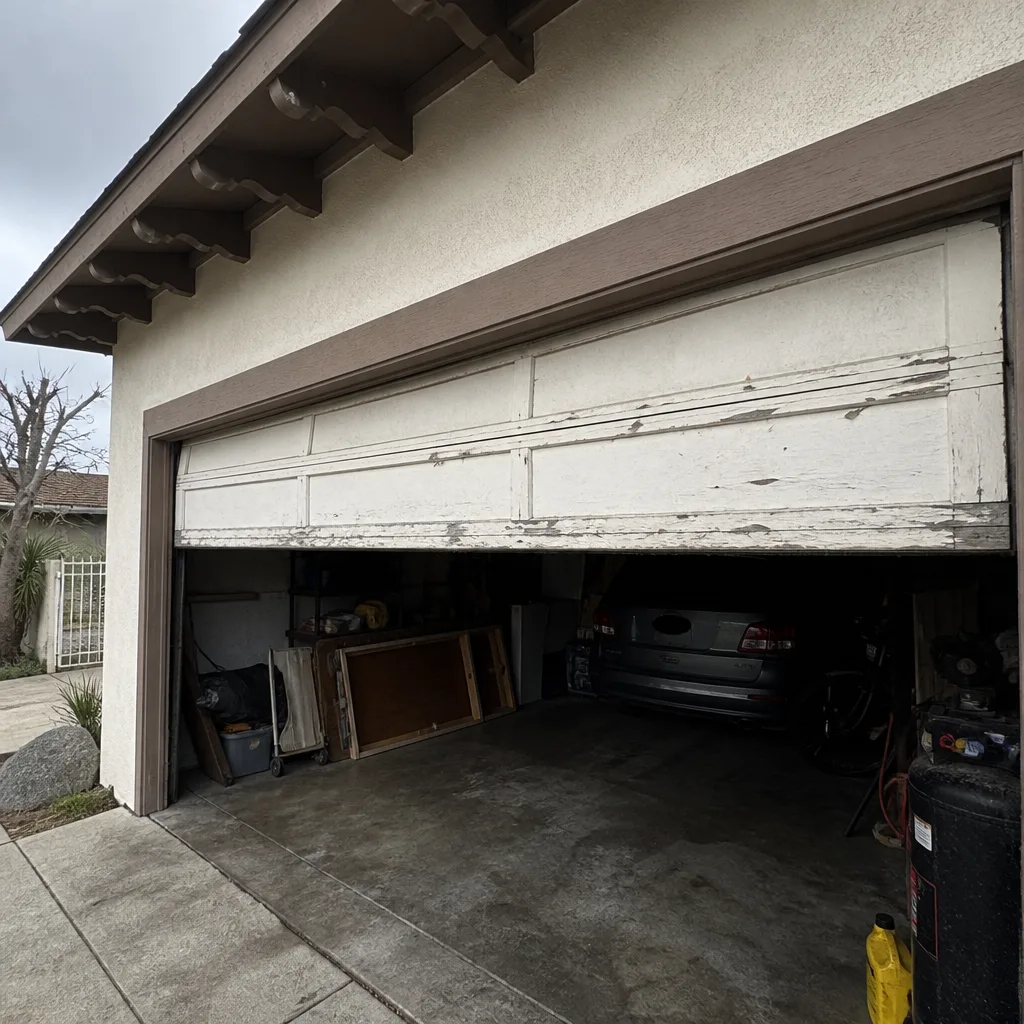 Before
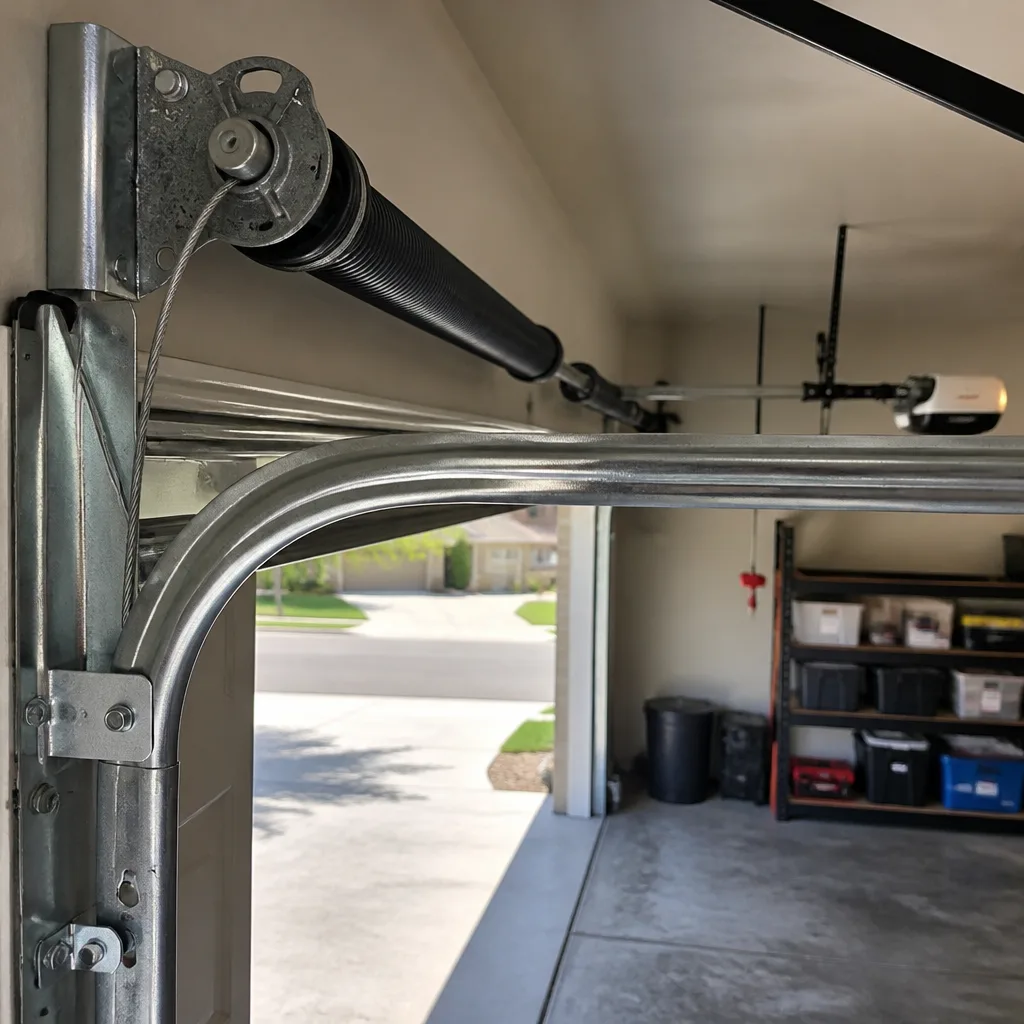 After
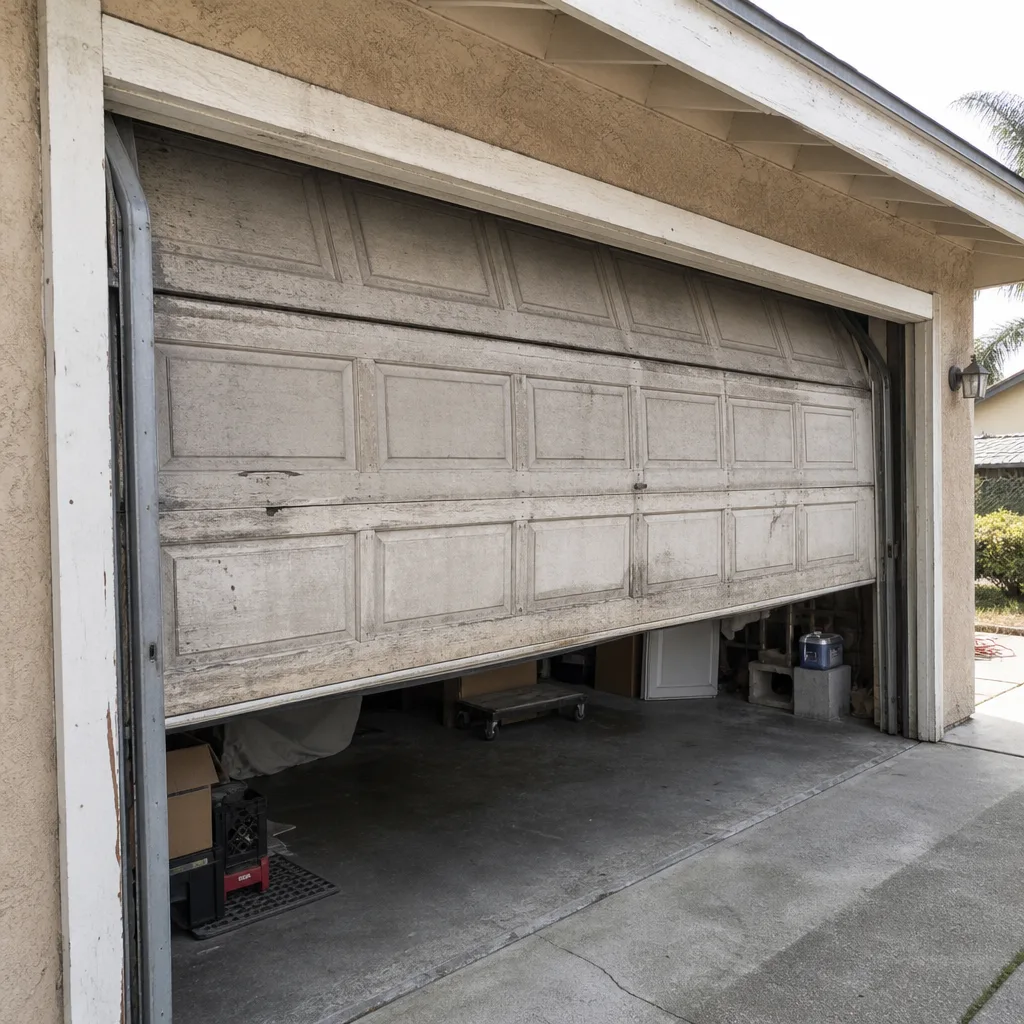 Before
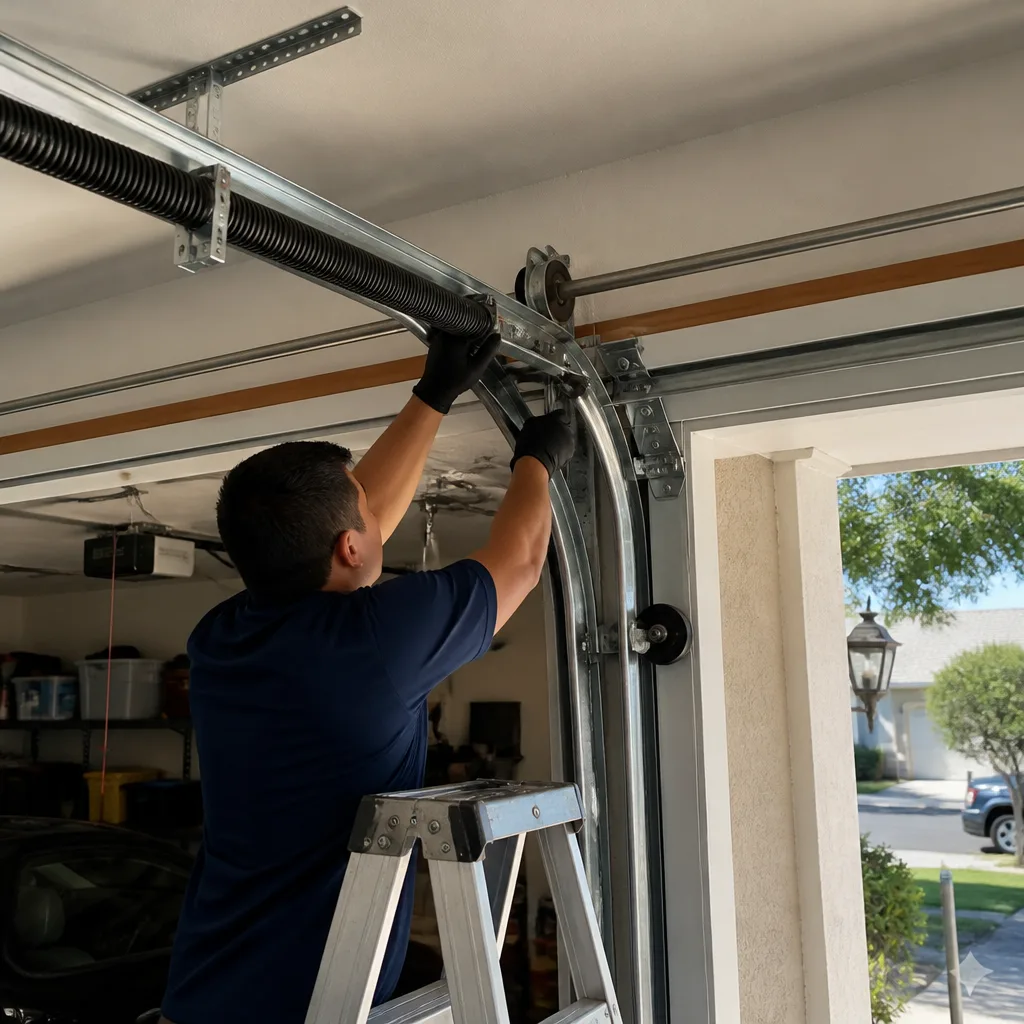 After